






Start with Soluble Fiber
Think of soluble fiber as a sponge for cholesterol. As it moves through your digestive system, it binds to cholesterol and helps remove it from your body before it can enter your bloodstream. Eating just 5 to 10 grams of soluble fiber a day can significantly
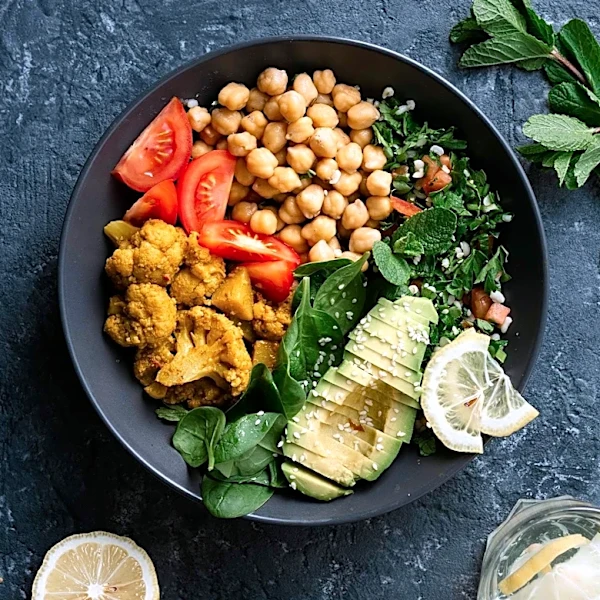
lower your LDL, or "bad," cholesterol. A bowl of oatmeal for breakfast is a classic for a reason—it's packed with beta-glucans, a potent type of soluble fiber. Other fantastic sources include beans, lentils, apples, pears, carrots, and barley. Simple additions, like adding berries to your cereal or a side of beans to your lunch, can make a big difference.
Choose Healthier Fats
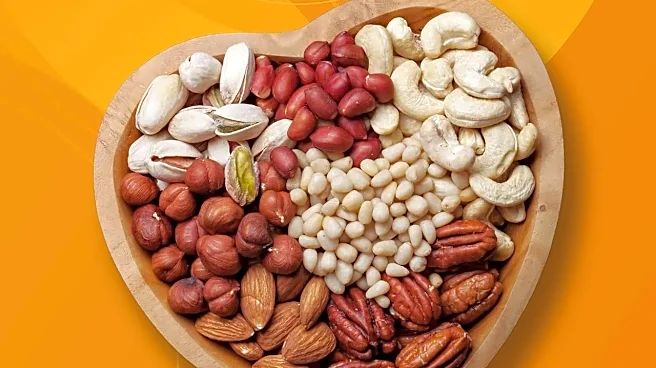
Fat isn't the enemy, but the type of fat matters. Unsaturated fats, both monounsaturated and polyunsaturated, can help lower bad cholesterol levels and are beneficial for overall heart health. Olive oil, avocados, nuts, and seeds are all excellent sources. Instead of butter, cook with olive or canola oil. Snack on a small handful of walnuts or almonds instead of processed snacks. Omega-3 fatty acids are a special type of polyunsaturated fat with powerful heart benefits. You can find them in fatty fish like salmon, mackerel, and herring. Aim to eat fish two times a week, preparing it by baking or grilling to avoid adding unhealthy fats.
Limit Saturated and Trans Fats
While you're adding good fats, you'll want to reduce harmful ones. Saturated fat, found primarily in red meat, full-fat dairy products, and some tropical oils, can raise your LDL cholesterol more than anything else in your diet. You don't have to eliminate it entirely, but making smart swaps is key. Choose lean cuts of meat like those labeled "loin" or "round," and opt for low-fat or fat-free dairy products. Trans fats, often listed as "partially hydrogenated oils" on ingredient labels, are even worse for your heart and should be avoided as much as possible. They are often found in fried foods and commercially baked goods.
Pick Your Proteins Wisely
Shifting your protein sources can have a major impact. The American Heart Association recommends a diet that emphasizes plant-based proteins, fish, and lean poultry over fatty and processed meats. Swapping red meat for beans, lentils, or tofu in a few meals a week can dramatically lower your saturated fat intake. When you do eat meat, choose lean cuts and trim any visible fat before cooking. Processed meats like bacon, sausage, and deli meats should be minimized, as they are often high in both saturated fat and sodium.
Incorporate Plant Sterols and Stanols
Plant sterols and stanols are naturally occurring compounds in foods like whole grains, nuts, and vegetable oils. They have a structure similar to cholesterol and work by blocking cholesterol from being absorbed in your gut. While they're present in many healthy foods, the amounts are too small to have a major cholesterol-lowering effect on their own. However, many foods are now fortified with them, including certain margarines, orange juices, and yogurts. Consuming about 2 grams of plant sterols or stanols per day from these fortified foods can lower LDL cholesterol by up to 12%.