


Start Small, Not Big
The biggest mistake beginners make is trying to prep every single meal for the entire week. This is a fast track to burnout. Instead, start small. Choose just one meal to prep for a few days, like lunch or dinner. Aim to make just two or three recipes
for the week ahead. Maybe it’s a big batch of chili for a couple of dinners or grilled chicken to throw on salads for lunch. Success builds momentum, so give yourself an easy win to start.
Plan and Shop with Purpose
Before you step into a grocery store, have a simple plan. Based on the one or two meals you decided to prep, write down every ingredient you'll need. Check your pantry and fridge first to avoid buying duplicates. A smart strategy is to choose recipes that share ingredients. For example, a batch of quinoa can be a side for a chicken dinner one night and the base for a grain bowl for lunch the next day. This approach saves money and minimizes food waste.
Choose Your Prep Style
There’s more than one way to meal prep. You don’t have to pack everything into identical, portioned containers unless you want to. There are a few common styles: batch cooking, where you make large quantities of one recipe; portioning, where you assemble full grab-and-go meals; and ingredient prep, where you simply chop vegetables, cook grains, or marinate proteins ahead of time. Many people find a hybrid approach works best, like batch-cooking a soup while also chopping raw veggies for snacks.
Embrace Component Cooking
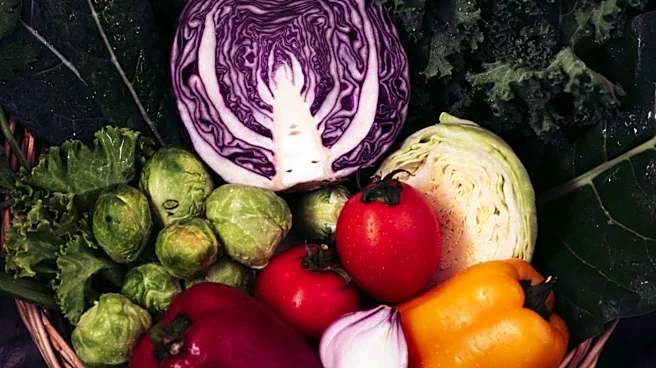
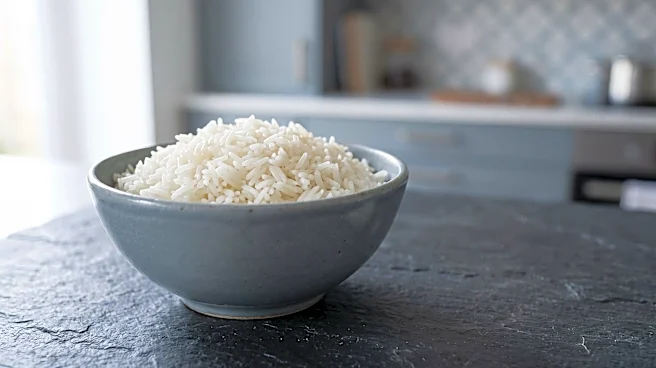
One of the most flexible methods for beginners is “component cooking.” Instead of making specific recipes, you prepare a variety of versatile ingredients that can be mixed and matched throughout the week. For example, on your prep day, you could: roast a tray of vegetables, cook a batch of brown rice or quinoa, grill or bake a simple protein like chicken or tofu, and whip up a vinaigrette. With these components ready, you can assemble salads, grain bowls, or a simple protein-and-veg plate in minutes.
Get the Right (but Simple) Gear
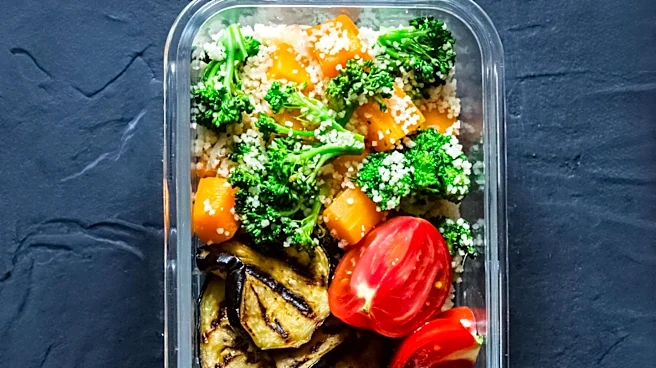
You don't need a kitchen full of fancy gadgets to start. The most important investment is a good set of airtight containers. Glass containers are great because they don’t stain or hold odors and can often go from the fridge to the microwave or oven. Having a variety of sizes is helpful for storing everything from individual meals to sauces and chopped ingredients. Beyond that, basic kitchen tools like a good knife, cutting boards, and baking sheets are all you really need.
Prioritize Food Safety
Prepping food is pointless if it’s not safe to eat a few days later. Always let cooked food cool down for 30-60 minutes before sealing and refrigerating it, and make sure it's in the fridge within two hours of cooking. Store raw meat on the bottom shelf of the fridge to prevent drips. A good rule of thumb is that most cooked meals will last safely in the refrigerator for 3-4 days. Label your containers with the date so you know what to eat first. If you prep for more than four days, plan to freeze the later meals.