





They Are Open-Ended
The most effective toddler games are those without a single, fixed outcome. Unlike a puzzle with one correct solution, open-ended toys like blocks, clay, or even a simple cardboard box can be used in countless ways. This type of play encourages creativity,
imagination, and problem-solving. A block can be part of a tower, a car, or a telephone. This flexibility allows a child to direct their own play, building confidence and critical thinking skills as they experiment with different possibilities without fear of getting it 'wrong'. This unstructured approach is foundational for nurturing a positive attitude toward learning.
They Engage the Senses
Toddlers learn about their world by touching, seeing, hearing, and exploring with all their senses. Great games tap into this by offering a rich sensory experience. Activities involving sand, water, play dough, or finger painting are not just about making a mess; they are powerful learning tools. This sensory play helps build new neural pathways in the brain. As children squish, pour, and splash, they learn about concepts like texture, volume, and temperature while also refining their language skills by describing what they feel—like "squishy" or "cold".
They Build Motor Skills
Play is a toddler's work, and much of that work involves physical development. The best games support both fine and gross motor skills. Gross motor skills are developed through activities that use the whole body, like running, jumping, or climbing an obstacle course made of pillows. Fine motor skills, which are crucial for tasks like writing and zipping a coat later on, are honed by manipulating smaller objects. Stacking blocks, threading large beads, sorting small toys, or using crayons helps strengthen the small muscles in their hands and improves hand-eye coordination.
They Encourage Interaction and Pretend Play
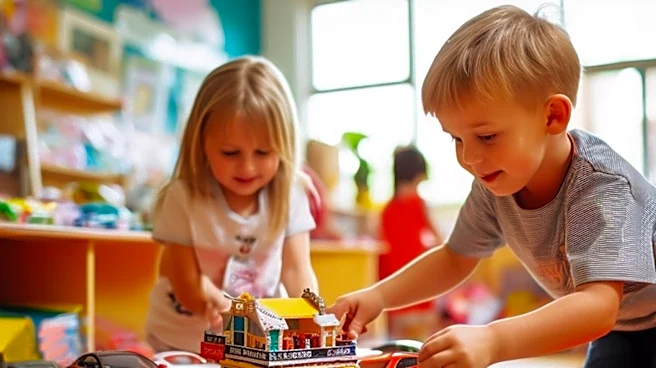
Many of the best toddler games lay the groundwork for social skills. Whether it's simple turn-taking like rolling a ball back and forth or more complex cooperative play, these interactions teach negotiation, sharing, and empathy. Pretend play, such as playing house, caring for a doll, or having a tea party, is especially important. These imaginative scenarios allow toddlers to practice social roles, express and regulate their emotions, and develop storytelling abilities in a safe environment.
They Are Simple and Repetitive
While it may seem counterintuitive, simplicity is a major advantage in a toddler game. Toddlers thrive on repetition, which helps them master new skills and build confidence. Think of a child who wants the same book read over and over or loves putting toys into a container only to dump them out again. This repetition isn't a sign of boredom; it's how they solidify their understanding of concepts like object permanence—the idea that things still exist even when you can't see them. Simple games with clear cause-and-effect, like popping bubbles or playing peek-a-boo, provide predictable and satisfying learning experiences.