


The Siren Call of Trendy Makeup
The beauty industry thrives on newness. Every season brings a flood of products in eye-catching packaging, often promoted by young influencers on platforms like TikTok. These items are designed to appeal to a demographic with smooth, plump, and resilient
skin. Formulations might be ultra-matte, heavily powdered, or packed with glitter—all textures that look fantastic on youthful skin but can be unforgiving on mature complexions. Heavy, flat matte foundations can make skin look dry and one-dimensional, while powders have a tendency to settle into creases, exaggerating their appearance. This marketing-driven cycle can leave consumers with mature skin feeling confused and disappointed, as products that promise perfection often deliver the opposite.
How Skin Changes—and Why Texture Is Key
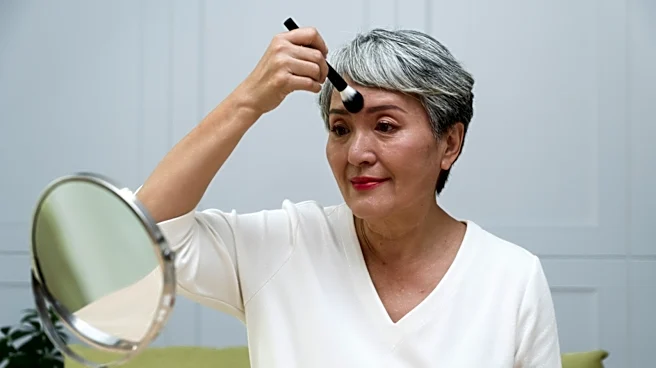
As skin ages, its structure and needs change. It naturally produces less oil, leading to dryness, and the breakdown of collagen and elastin results in fine lines and a loss of firmness. Because of this, makeup interacts with mature skin very differently. Products that are too dry or thick don't move with the skin; instead, they sit on top like a mask. As you talk, smile, and move your face, this inflexible layer of makeup can crack and migrate directly into lines, making them more prominent. The goal isn't to find a product that erases texture, but one with a texture that works in harmony with your skin, providing a soft, diffused look rather than heavy coverage.
The Textures That Flatter Mature Skin
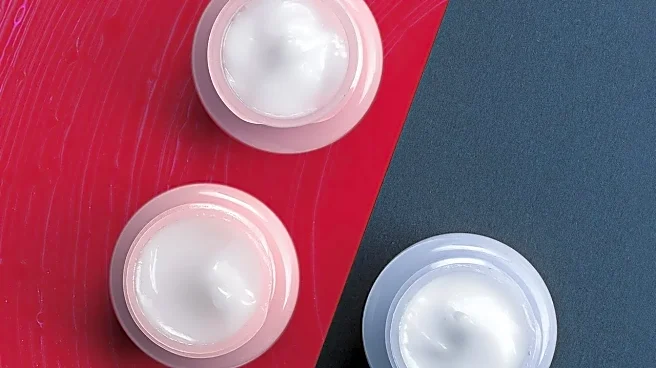
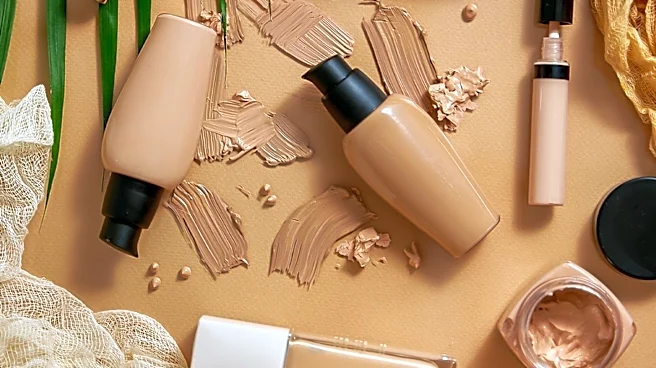
When shopping for makeup, prioritizing certain textures can make all the difference. Cream and liquid formulas are consistently recommended by experts for their hydrating properties and ability to blend seamlessly. Unlike powders, which can absorb moisture and look cakey, creams melt into the skin for a more natural, radiant finish. For foundation, look for lightweight liquids, serum-infused formulas, or BB creams that even out skin tone without masking it. When it comes to color, cream blushes and bronzers provide a dewy glow that makes skin look healthy and hydrated. For eyes, creamy eyeshadow sticks are often a better choice than powdery palettes, as they are less likely to crease on eyelids.
Reading the Label, Not Just the Packaging
To find the right products, you have to become a label detective. Look past the trendy branding and search for keywords that speak to mature skin’s needs. Phrases like “hydrating,” “radiant,” “luminous,” and “dewy finish” are good indicators. The ingredients list is even more telling. Look for powerhouse hydrators like hyaluronic acid and glycerin, which help plump the skin. Nourishing, natural oils like jojoba and squalane can provide moisture without clogging pores. Additionally, ingredients like peptides, which support collagen production, and antioxidants like Vitamin C can offer skincare benefits that improve your skin’s appearance over time. These elements signal that a product is formulated not just for color, but for skin health and a flattering finish.