




The Allure of Freshly Prepped Meals
Prepping fresh meals involves preparing ingredients or full dishes and storing them in the refrigerator to be eaten over the next few days. Think containers of chopped veggies, marinated chicken ready for the grill, or fully assembled salads and grain
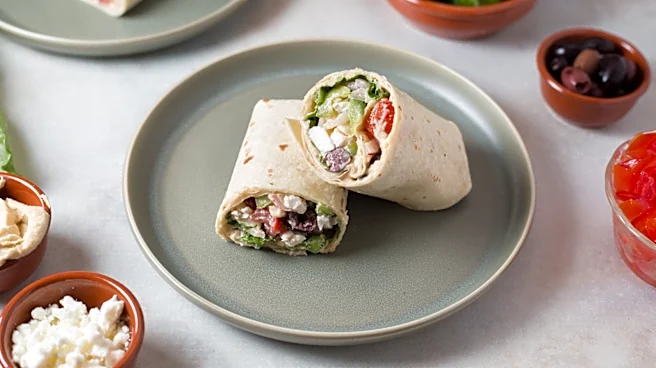
bowls. The primary advantage is taste and texture. Freshly cooked or assembled meals generally have a better texture—vegetables stay crisp, proteins remain tender, and nothing gets mushy from the freeze-thaw cycle. This strategy offers flexibility; you can mix and match prepped ingredients based on your mood each day. However, the main drawback is the limited shelf life. Most fresh prepped meals need to be consumed within three to five days, meaning you might have to do a second prep session mid-week to avoid food spoilage or eating the same thing too many times.
The Power of a Freezer Stash
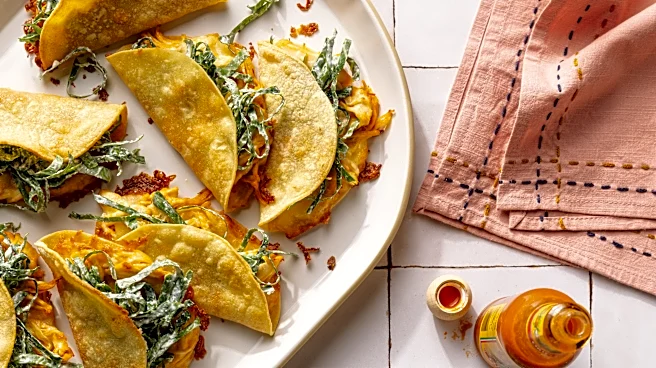
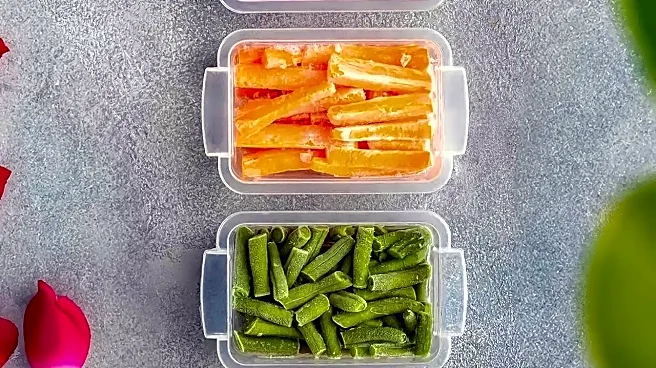
Freezer-friendly meal prep involves cooking dishes in large batches—like soups, stews, casseroles, and curries—and freezing them in individual or family-sized portions. The biggest benefit here is long-term convenience. Having a freezer full of homemade meals means you have a safety net for busy nights when cooking is out of the question. This approach is incredibly efficient, allowing you to turn one big cooking day into weeks' worth of dinners, reducing both cooking frequency and food waste. The downside often relates to texture and planning. Not all foods freeze well; creamy sauces can separate, and some vegetables become soggy upon reheating. You also have to remember to thaw meals in advance, which requires a bit of foresight. A common mistake is not labeling containers with the dish name and date, leading to a freezer full of mystery meals.
Does Freezing Affect Nutrition?
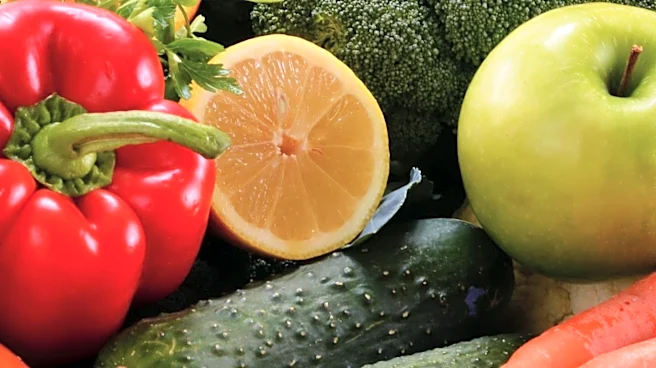
A common myth is that frozen food is less nutritious than fresh. However, research consistently shows this isn't the case. In fact, frozen produce can sometimes be more nutrient-rich. Fruits and vegetables are often flash-frozen within hours of being harvested, which locks in vitamins and minerals at their peak. In contrast, "fresh" produce might spend days or weeks in transit and storage, during which time nutrients like vitamin C can degrade. Studies, including one from the University of Georgia, found that the nutritional value of frozen produce was equal to, and in some cases better than, fresh produce stored in a fridge for five days. The freezing process itself is a natural preservative, so when you're making your own freezer meals, you control the ingredients without needing the added preservatives found in some commercial options.
The Hybrid Approach: Best of Both Worlds
For most people, the ultimate meal prep strategy isn't choosing one method over the other—it's combining them. The hybrid approach offers the perfect balance of freshness and long-term convenience. You can have the best of both worlds by planning your week strategically. For example, spend Sunday prepping fresh meals like salads, grain bowls, and pre-chopped vegetables to cover lunches and dinners for the first half of the week (Monday through Wednesday). For the latter half of the week, when you're more likely to be tired and less motivated to cook, you can pull a pre-made lasagna, chili, or soup from the freezer. This tactic ensures you're always eating something delicious and homemade without overwhelming yourself with daily cooking or multiple prep sessions. It also helps you rotate your freezer stash effectively, preventing freezer burn and waste.