







First, What Is Metabolism Anyway?
Before we can talk about boosting it, let’s get clear on what metabolism actually is. It’s not just one thing or a simple speed dial you can turn up or down. Metabolism refers to all the chemical processes that happen continuously inside your body to convert
the food and drink you consume into energy. This energy is used for everything you do, from breathing and circulating blood to repairing cells and thinking. Even when you’re asleep, your metabolism is working. Your total daily energy use is made up of three main parts: your basal metabolic rate (BMR), which is the energy used for basic functions at rest; the energy used for physical activity; and the thermic effect of food (TEF), which is the energy your body burns just to digest and process what you eat.
The Unbeatable Power of Lifestyle
When it comes to meaningfully supporting your metabolism for the long haul, lifestyle changes are the undisputed champion. These aren't quick fixes, but foundational habits that create real, lasting change. Building lean muscle through strength or resistance training is perhaps the most powerful lever you can pull. Muscle tissue is more metabolically active than fat, meaning it burns more calories even when you're at rest. Studies have shown that a consistent strength training program can increase resting metabolic rate by over 7%.
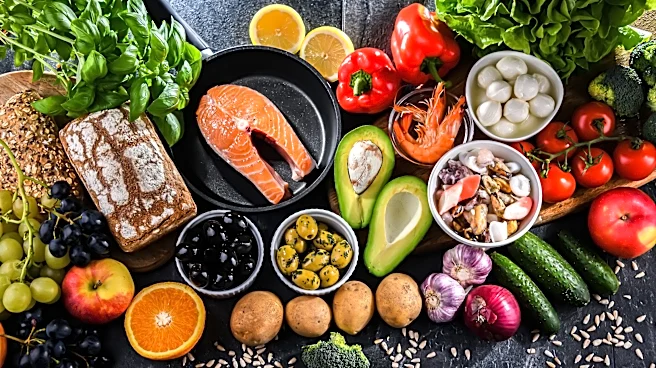
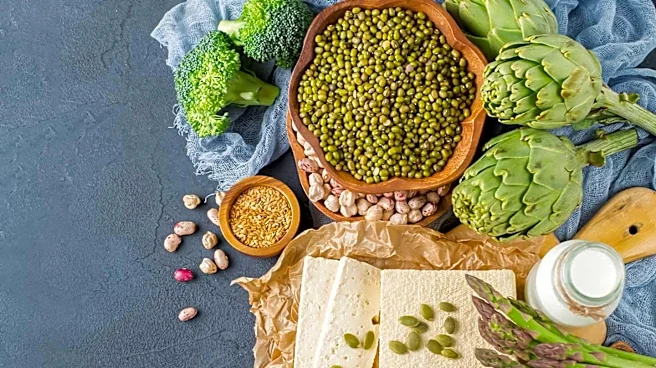
What you eat matters immensely, too. Your body uses energy to digest food, and some foods require more energy than others. Protein has the highest thermic effect, burning 20-30% of its own calories during digestion, compared to just 5-10% for carbs and 0-3% for fats. Prioritizing lean protein in your meals can create a small but consistent metabolic advantage. Finally, don't underestimate the power of sleep and regular meal timing. Lack of sleep can disrupt metabolic processes, while eating at consistent times can help your body maintain balance.
Where Do Supplements Fit In?
The supplement aisle is full of products promising to “ignite,” “rev up,” or “boost” your metabolism. Common ingredients include caffeine, green tea extract, and capsaicin (from chili peppers). So, do they work? The answer is a qualified “sort of, but not really.”
Many of these ingredients, particularly stimulants like caffeine, can produce a modest, temporary increase in your metabolic rate. However, the effect is generally small and short-lived. While some studies on green tea extract and other compounds show minor benefits, the results are often inconsistent or not significant enough to lead to meaningful weight loss on their own. The U.S. Food and Drug Administration doesn't regulate these supplements for safety or effectiveness before they hit the market, meaning their claims are often unproven and ingredient quality can vary widely. Some products have even been found to contain unlisted or dangerous ingredients. In short, no pill can replicate the profound and lasting impact of building muscle or eating a balanced diet.
The Verdict: Foundation First, Support Second
When you compare the two directly, the winner is clear: lifestyle changes provide a far more powerful, reliable, and sustainable way to support your metabolism. Think of it like building a house. Lifestyle habits—strength training, a protein-rich diet, and adequate sleep—are the concrete foundation. They are non-negotiable for a strong, stable structure. Supplements, at their absolute best, might be the equivalent of a new coat of paint. They might offer a very small, temporary aesthetic improvement, but they cannot fix a crumbling foundation. The real secret to a healthy metabolism isn't a magic pill, but the consistent application of these fundamental health principles day in and day out.