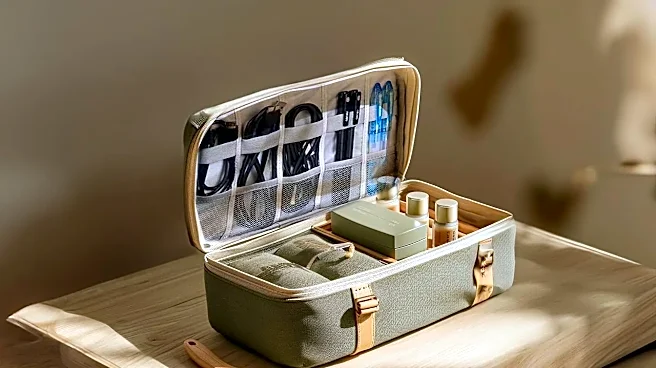









Start Before You Pack
A stress-free trip begins with planning weeks, not days, before you leave. First, schedule a visit with your doctor. Discuss your travel plans, especially if crossing time zones, to map out a dosing schedule. Request paper copies of all your prescriptions.
Make sure you have enough medication to last your entire trip, plus a few extra days to account for any unexpected delays. Contact your pharmacy early to arrange for refills, as some insurance plans have restrictions on early renewals. This is also the time to ask for any necessary documentation, like a doctor's letter explaining your condition and medications, which can be invaluable for international travel or if you need to seek medical care abroad.
The Golden Rule: Carry-On Only
The most critical rule is to never put essential medications or supplies in your checked luggage. Bags can be delayed, lost, or exposed to extreme temperatures in the cargo hold that could damage your medication. Always pack your health essentials in your carry-on bag, stowed under the seat in front of you for easy access. The Transportation Security Administration (TSA) strongly recommends this practice to ensure you have immediate access to what you need. By keeping your medical supplies with you, you maintain control and peace of mind, no matter where your checked bags end up.
Navigating Airport Security
The thought of security screening can be daunting, but the TSA has clear guidelines for medical supplies. Medications in solid form (pills, capsules) are straightforward. For liquids, gels, and creams, you are allowed to bring medically necessary amounts that exceed the standard 3.4-ounce limit. However, you must declare these items to a TSA officer at the beginning of the screening process and present them separately for inspection. They do not need to be in a zip-top bag. While the TSA doesn't legally require medications to be in their original prescription bottles, keeping them labeled is highly recommended to facilitate screening and is required by some states. You can also request a visual inspection if you prefer your medications not go through the X-ray scanner.
Packing Specialized Medical Equipment
Traveling with devices like a CPAP machine, nebulizer, or insulin pump is common. These are considered essential medical devices and are permitted on flights, often not counting toward your carry-on limit. However, it's wise to check your airline's specific policy in advance. When you reach security, you will likely need to remove the device from its case for X-ray screening, though masks and tubing can often remain packed. For refrigerated medications like insulin, use an insulated cooler bag with frozen gel packs. Gel packs are medically exempt from the 'must be frozen solid' rule if they are slushy or melted, but it's always smoother if you start with them frozen. You can also ask flight attendants for ice to replenish your cooler during the flight.
International Travel Considerations
Traveling abroad requires an extra layer of preparation. Before you go, research the laws of your destination country regarding your specific medications. Some prescriptions and even over-the-counter drugs that are common in the U.S. may be considered controlled substances or are illegal elsewhere. Check the country's embassy website or the International Narcotics Control Board for regulations. Always carry a doctor's letter and a copy of your prescription, and if possible, have the information translated into the local language. Be prepared to declare your medications at customs. Most countries allow for a personal-use quantity, which is typically a 30-day or 90-day supply, but it's crucial to confirm the limits before you travel.