






It’s Not Magic, It’s Modern Formulation
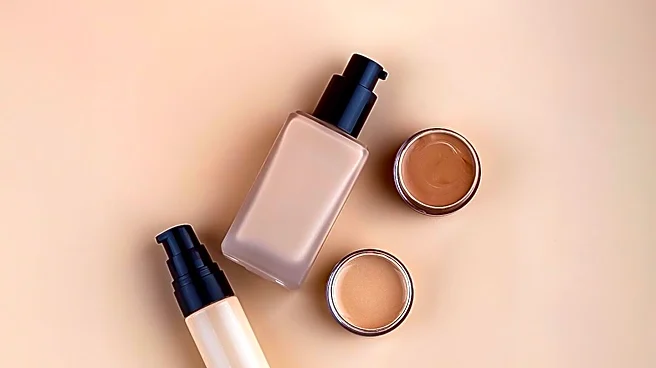
The single biggest reason some cosmetics perform beautifully on mature skin comes down to a revolution in product formulation. For decades, foundations were often heavy, opaque, and designed to mask imperfections with a thick, matte layer. This approach
is a disaster for skin with texture, as the rigid pigment cracks and gathers in any crease or fine line. Today’s best formulas are engineered for flexibility and hydration. They contain ingredients that allow the makeup to move with your skin, not fight against it. Think of it like the difference between a stiff, starchy fabric and a soft, stretchy knit. One shows every pull and wrinkle, while the other adapts to your movement. These modern cosmetics are often hybrids—part skincare, part makeup—designed to enhance, not just cover.
The Power of Light Diffusion
Another key piece of the puzzle is the use of light-diffusing particles. Instead of just covering the skin, certain ingredients work like an optical illusion to create a soft-focus effect. Minerals like finely milled mica and silica are included in foundations, primers, and powders. These particles scatter light in multiple directions when it hits the skin's surface. This scattering blurs the appearance of fine lines, pores, and uneven texture, creating a smoother, more radiant look without the need for heavy coverage. It’s less about hiding the texture and more about manipulating light to make it less noticeable, resulting in a luminous finish rather than a flat, dull one.
Hydration is the Hero Ingredient
As skin matures, it naturally produces less of the molecules that keep it plump and hydrated, leading to dryness that can make makeup look cakey. The standout cosmetics for older skin are packed with humectants, which are ingredients that attract and hold onto moisture. The two biggest stars in this category are hyaluronic acid and glycerin. Hyaluronic acid is famous for its ability to hold up to 1,000 times its weight in water, which helps to plump the skin from within and visibly smooth the surface. Glycerin works in a complementary way, drawing moisture from the air and deeper skin layers to provide lasting hydration. When these ingredients are in your foundation, they are essentially moisturizing your skin all day, preventing the product from drying out and settling into lines.
Don't Forget Skin-Supporting Players
Beyond pure hydration, top-tier cosmetics often include other skincare heroes. Peptides, which are amino acid chains, act as building blocks for proteins like collagen and elastin, helping to support skin structure and firmness. Niacinamide, a form of vitamin B3, is an all-around superstar known for improving skin tone and calming the skin. And ceramides help reinforce the skin's natural barrier, locking in moisture and improving its resilience. When these are included in a makeup formula, they turn your cosmetic into an active participant in your skin's health, rather than just a passive layer on top.
Technique Trumps Everything
Finally, even the most advanced formula can look lackluster if applied incorrectly. Pro makeup artists agree that on mature skin, less is almost always more. The goal is to even out tone, not to create a mask. Start with a primer to create a smooth base. Then, apply foundation in thin layers, focusing coverage only where needed, such as the center of the face or areas with redness. Pressing or stippling the product into the skin with a damp sponge or your fingertips works better than rubbing or dragging, which can emphasize texture. This intentional placement and blending allows your natural skin to show through, creating a dimensional and vibrant look that appears truly seamless.