






The Real Total Cost
That bargain fare from a budget airline can quickly become expensive once you add the necessities. These carriers often operate on an à la carte model where the base price covers little more than a seat. Savvy travelers calculate the “true total cost”
by adding fees for checked bags, carry-on bags, and even seat selection. Some ultra-low-cost carriers are notorious for these extra charges, which can sometimes exceed the cost of the ticket itself. Before booking, add up all the potential fees and compare that total to the all-inclusive price of a legacy carrier. The more expensive initial ticket might actually be the cheaper option.
The Value of Your Time
Time is your most valuable asset on any trip, and a cheap flight can be a major time-waster. Consider the flight schedule and total travel duration. A flight with an awkward 5 a.m. departure might seem cheap until you factor in the cost of a very early taxi or the misery of a sleepless night. Likewise, a route with multiple long layovers can eat up an entire day of your vacation. Experienced travelers often pay a little more for a non-stop flight or a route with a single, efficient connection, ensuring they arrive at their destination rested and with more time to enjoy it.
Schedules and Connections
The details of your layover matter immensely. A 45-minute connection might look efficient on paper, but at a massive international hub, it can be a frantic, stressful dash between terminals. Conversely, an eight-hour layover can be a draining experience. Smart flyers aim for a sweet spot, generally at least 75-90 minutes for domestic connections and a minimum of two hours for international ones, which allows a buffer for delays without stranding you in an airport for half a day. Also, always double-check that your connecting flights use the same airport—some cities have multiple airports, and a cheap ticket might require a costly and time-consuming transfer.
The Booking Channel
Where you book your flight can make a huge difference, especially when things go wrong. Booking through a third-party site can sometimes offer a lower price, but it adds a middleman to the equation. If your flight is delayed or canceled, you'll have to deal with the third-party's customer service, which can be less effective and slower than dealing directly with the airline. Booking directly with the airline simplifies communication, makes it easier to manage your reservation, and ensures you receive loyalty points and status benefits.
Loyalty Program Benefits
Even for infrequent travelers, loyalty programs can offer significant value. Sticking to one airline or alliance can lead to perks like free checked bags, priority boarding, and access to better seats—all things that budget airlines charge for. Over time, the miles you accumulate can be redeemed for discounted or even free flights. Many programs have also shifted to reward spending over just miles flown, meaning even a few expensive tickets a year can unlock valuable benefits. Before you book the cheapest available flight on a new airline, consider if paying a little more to stick with your preferred carrier could deliver better value in the long run through its loyalty perks.
Aircraft and Onboard Experience
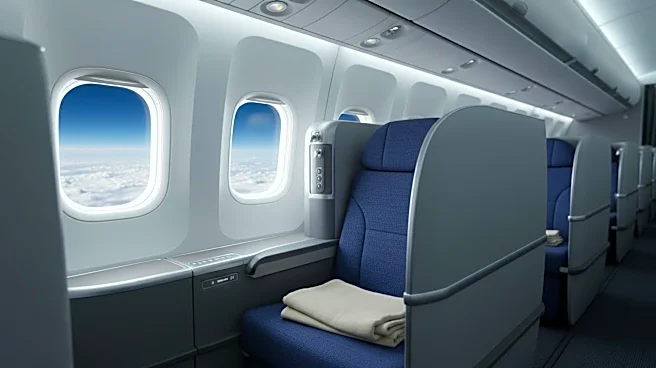
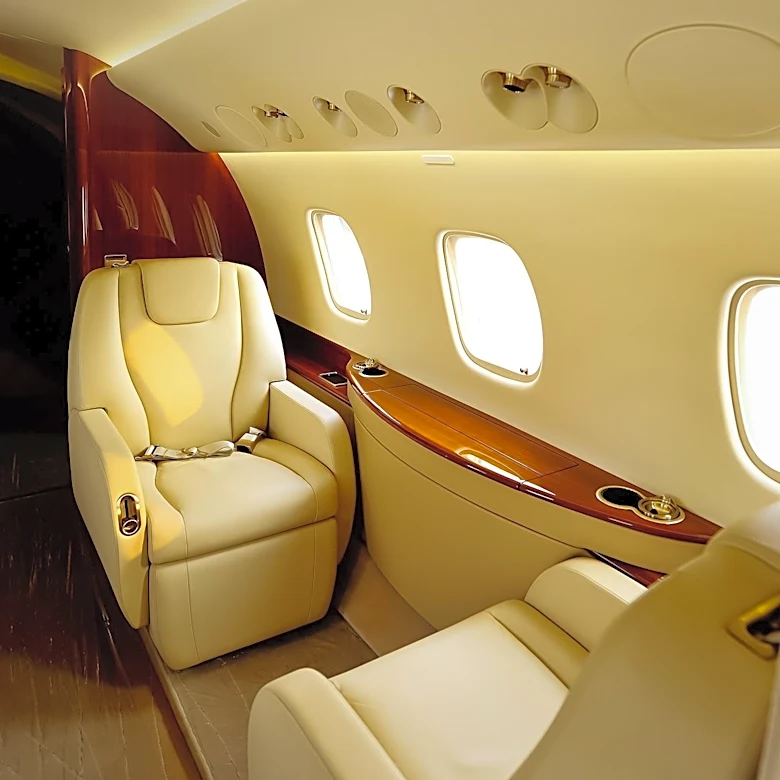
Not all flying experiences are created equal. A long-haul flight on an older plane with no seat-back entertainment, limited legroom, and no complimentary meal service can feel like an eternity. Budget carriers, in particular, often have more cramped seating and fewer amenities. While you might not need a gourmet meal, knowing what to expect can influence your decision. For an overnight or a transcontinental flight, paying a bit more for an airline known for a more comfortable cabin, better entertainment options, or included meals can dramatically improve your travel experience and ensure you don't arrive at your destination exhausted and hungry.