



1. The Non-Negotiables: SPF 30+ and Broad-Spectrum
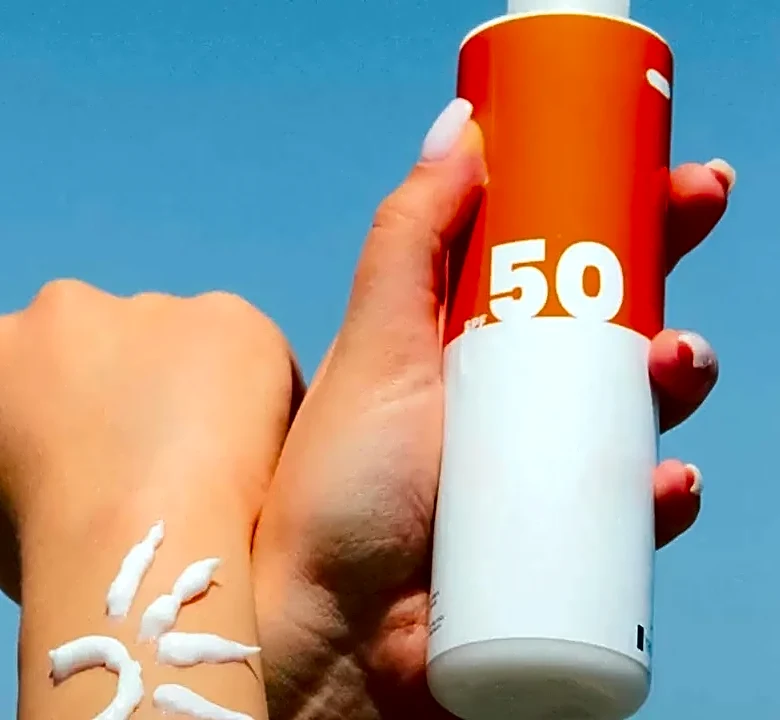
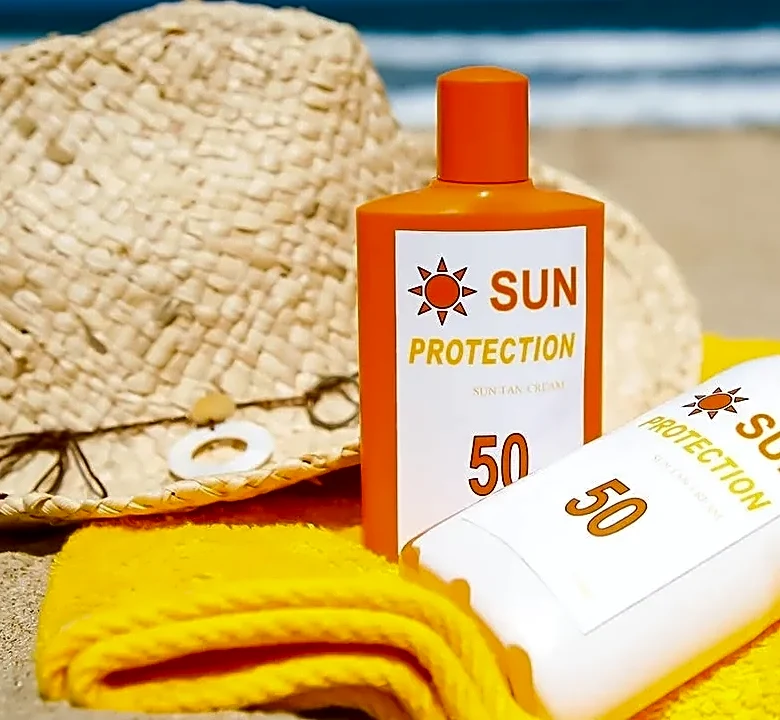
Before you look at anything else, flip the bottle over and find these two phrases. First, the American Academy of Dermatology recommends an SPF of 30 or higher for daily use. An SPF 30 blocks about 97% of the sun's UVB rays, the kind that cause sunburn.
While higher numbers offer slightly more protection, SPF 30 is the gold standard for everyday defense. Second, and just as important, is the term “broad-spectrum.” This means the formula protects you from both UVB and UVA rays. Think of it this way: UVB rays are the “burning” rays, while UVA rays are the “aging” rays that penetrate deeper, contributing to wrinkles and long-term damage over time. A product that isn't broad-spectrum is only doing half the job.
2. Your Skin Type: Formula Matters
A sunscreen you hate wearing is one you won’t use. The key to consistency is finding a formula that works for your specific skin. If you have oily or acne-prone skin, look for labels that say “oil-free” and “non-comedogenic,” which means the product is designed not to clog pores. Gel or lightweight fluid textures often work best for this skin type. For those with dry or sensitive skin, a creamier, more hydrating formula can double as a light moisturizer. Mineral sunscreens, which contain zinc oxide and titanium dioxide, often work well for sensitive skin because they sit on top of the skin rather than being absorbed. These are sometimes called physical sunscreens. The trade-off can sometimes be a slight white cast, but modern formulas have improved dramatically.
3. The Finish: No Greasy Feel or White Cast
Let’s be real: no one wants to walk into a lecture hall looking like a ghost or feeling like a greaseball. This is where “cosmetic elegance” comes in—a term for how a product looks and feels on the skin. Chemical sunscreens, which work by absorbing UV rays and converting them to heat, are often lighter and more transparent. They tend to blend in without leaving a trace, making them a great option for wearing under makeup or on deeper skin tones. Mineral sunscreens have a reputation for leaving a white cast, but many newer products use micronized particles to reduce this effect. If you opt for a mineral formula, look for those marketed as “sheer” or with a slight tint that can help it blend seamlessly. Applying it over moisturizer can also help it absorb better.
4. The Lifestyle Fit: Portability and Wearability
Your college sunscreen needs to be as on-the-go as you are. Consider the packaging. A sunscreen stick is fantastic for quick, mess-free reapplication on your face, ears, and the back of your neck before you dash out the door. A small tube is easy to toss into a backpack for reapplication after a workout or before an afternoon study session on the quad. The type of sunscreen matters for your daily routine as well. A formula designed for intense workouts or a beach day might be too heavy for everyday use. For daily wear—walking to class, sitting near a window in the library—you want something lightweight that feels like nothing at all. The best sunscreen is the one you will actually use every single day, so prioritize comfort and convenience.
5. The Price: Find an Affordable Favorite
You don’t need to spend a fortune to get excellent sun protection. In fact, because you should be applying it generously every single day, finding a budget-friendly option is crucial. Many drugstore brands offer highly effective, dermatologist-recommended formulas that perform just as well as their luxury counterparts. Check out brands like CeraVe, La Roche-Posay, Neutrogena, and Eucerin, which are often praised for their effective and affordable facial sunscreens. The goal is to find a product you can afford to use liberally and repurchase consistently. Spending a lot on a fancy sunscreen you're afraid to use up defeats the purpose. A good, affordable sunscreen applied properly is far more effective than an expensive one used sparingly.