





Your Placement Strategy is Everything
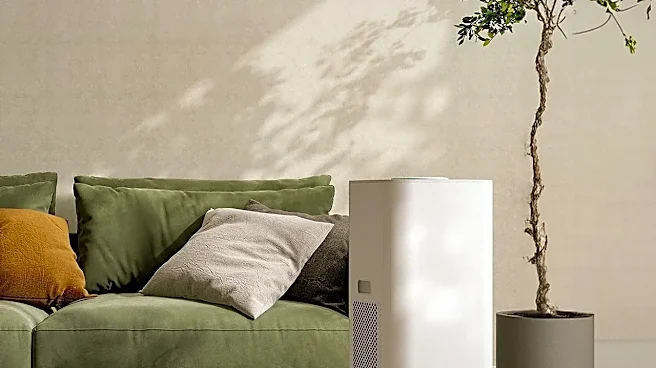
Tucking your air purifier into a corner or behind the sofa might look tidy, but it severely limits its performance. Purifiers need space to breathe. For optimal function, place the unit in a central location with at least a few feet of open space on all
sides to ensure proper airflow. If it's tucked away, it can't create the necessary air circulation to pull in pollutants from across the room. Think of it as a hub, not a hidden appliance. The goal is to let it draw in dirty air and push out clean air without obstruction. Research shows that moving a purifier just a few inches from a wall can dramatically increase airflow. For a bedroom, placing it 3-6 feet from your bed can help create a clean air zone where you need it most while you sleep.
The Open Window Dilemma
It feels natural to want fresh air, but running an air purifier with the windows wide open is like trying to heat your house with the front door open. Air purifiers are designed to work best in a sealed environment where they can repeatedly cycle and clean a finite volume of air. When a window is open, you're creating a constant stream of new pollutants—pollen, dust, and outdoor emissions—that the purifier has to contend with. This forces the machine to work harder for diminished results and can render it nearly ineffective. If you need to ventilate, it's better to open windows for a short period, then close them and let the purifier do its job. On days with poor outdoor air quality, keeping windows closed is essential for the purifier to be effective at all.
You're Running It on 'Low' to Save Power
Many users run their purifiers on the lowest, quietest setting out of concern for noise or energy consumption. While understandable, this often means the unit isn't moving enough air to effectively clean your space. The Clean Air Delivery Rate (CADR) advertised on the box is typically based on the highest fan speed. Running it on low can drastically reduce its cleaning power, leaving pollutants circulating in the air. It's more effective to run the purifier on a higher setting for a short period to quickly clean a room—especially after activities like cooking or vacuuming—than to leave it on low all day with little impact. Don't be afraid to use the 'turbo' mode; it's there for a reason.
Ignoring Your Home's Other Pollutant Sources
An air purifier can only do so much if you're constantly introducing new pollutants into the environment. Cooking, burning candles, using harsh cleaning chemicals, and even pets are all significant sources of indoor air pollution. For maximum effectiveness, place the purifier near the source of contaminants, such as in the kitchen while cooking or near a pet's favorite resting spot. Furthermore, some odors and gases, known as Volatile Organic Compounds (VOCs), are absorbed by furniture and fabrics and can linger even if the air is technically clean. For these, you may need a purifier with a substantial activated carbon filter, which is specifically designed to trap gases and odors that HEPA filters miss.
The 'Set It and Forget It' Filter Mentality
The single most critical maintenance task is tending to your filter, yet it's the most commonly neglected. A clogged filter can't trap new particles; it just blocks airflow, forcing the unit to work harder while accomplishing less. Even worse, some people forget to remove the plastic wrap from the filter of a brand-new machine—a mistake that renders it completely useless. Check your manufacturer's guidelines and set a recurring reminder to check, clean, or replace your filters. A pristine pre-filter and a fresh HEPA or carbon filter are the keys to making your purifier perform as promised.
Humidity is a Hidden Saboteur
The moisture level in your home's air can also impact your purifier's performance. High humidity can make airborne particles, especially mold spores, heavier and stickier, causing them to fall out of the air or cling to surfaces before the purifier has a chance to capture them. This can also create a breeding ground for mold, putting more strain on your purifier. In very humid climates or damp areas like basements, running a dehumidifier alongside your air purifier can help both appliances work more effectively, creating an environment that is less hospitable to mold and easier for your purifier to filter. For basements, it is also recommended to elevate the unit off the floor to avoid potential moisture damage.