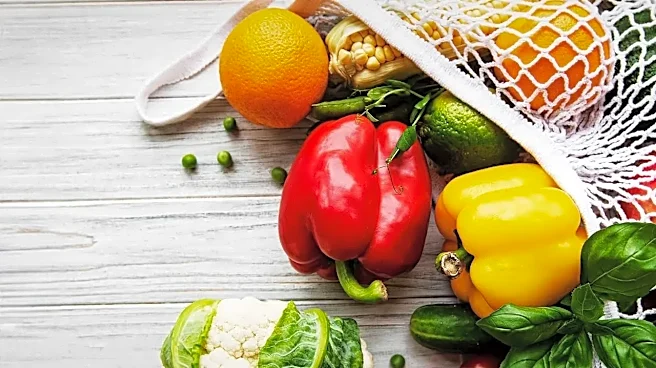









Start in the Produce Aisle
This is where you should spend most of your time. A good rule of thumb is to "eat the rainbow," as loading up on a variety of colorful fruits and vegetables is a cornerstone of heart health. Start with leafy greens like spinach and kale. They are packed
with vitamins, minerals, and nitrates that can help support healthy blood pressure. Also, make sure to grab some berries. Blueberries, strawberries, and raspberries are full of antioxidants that protect your blood vessels. Don't forget avocados, which are a great source of healthy monounsaturated fats that can help lower bad cholesterol levels.
Pick Your Proteins Wisely
When it comes to protein, think lean and plant-based. The American Heart Association recommends incorporating fish, skinless poultry, and plant proteins. Fatty fish like salmon, mackerel, and sardines are champions of heart health because they are rich in omega-3 fatty acids. These essential fats can help lower blood pressure and reduce triglycerides, a type of fat in your blood. For plant-based power, stock up on beans, lentils, and chickpeas. They are high in fiber and protein but low in the saturated fats often found in red meat. When buying chicken or turkey, always opt for skinless varieties to minimize your intake of saturated fat.
Navigate the Pantry Aisles for Grains
Not all carbohydrates are created equal. The key is to choose whole grains over refined ones. Items like oats, quinoa, brown rice, and breads where the first ingredient is "whole wheat" are excellent choices. Whole grains are loaded with fiber, which plays a crucial role in managing cholesterol levels and keeping you feeling full longer. Swapping white bread for 100% whole wheat bread or white rice for brown rice is an easy and effective upgrade for your heart. A morning bowl of oatmeal is another simple way to get a heart-healthy start to your day.
Choose Your Fats with Care
Fat isn't the enemy; you just need to choose the right kinds. Focus on unsaturated fats, which are beneficial for your heart. Extra virgin olive oil is a fantastic all-purpose cooking oil and salad dressing base, known for its heart-protective qualities. Nuts and seeds, such as almonds, walnuts, chia seeds, and flaxseeds, are another powerhouse group. They provide healthy fats, fiber, and magnesium, which supports healthy blood circulation. A small handful makes for a satisfying snack, and they can be easily sprinkled on yogurt, oatmeal, or salads. When picking a nut butter, read the label and choose one without added sugars or hydrogenated oils.
What About Dairy?
The dairy aisle can also be part of a heart-healthy diet if you make smart selections. The American Heart Association recommends opting for low-fat or fat-free dairy products. When you buy milk, yogurt, or cheese, choose versions labeled as fat-free (skim), 1%, or low-fat to reduce your intake of saturated fat. Plain, low-fat Greek yogurt is a particularly great choice as it's higher in protein than many other yogurts and can be a healthy base for breakfast or snacks—just add some berries and a sprinkle of nuts.