



The Bulky Layering Problem
When the first chill hits, the instinct is to grab the thickest sweater possible, then throw a heavy coat on top. The result? You’ve lost your shape entirely, resembling a walking pile of laundry. Successful layering is about strategy, not just piling
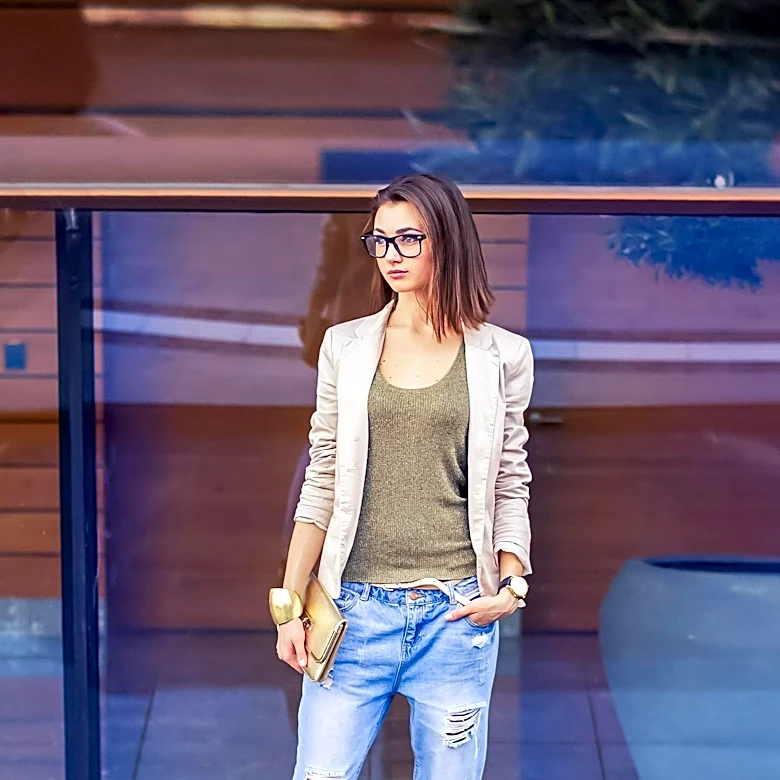
on warmth. The key is to use multiple thin layers that trap heat without adding volume. Start with a fitted base layer, like a thin turtleneck or a smooth cotton tee. Your next layer should add shape, like a tailored blazer or a structured cardigan. Your outerwear can then provide the final touch of warmth without having to do all the work itself.
Forgetting About Texture
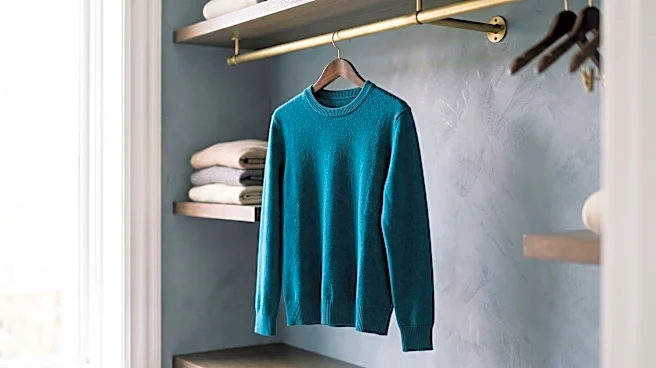
An outfit composed entirely of smooth, matte fabrics can look flat, even if the colors are perfect. Fall is the prime season for texture, which adds visual interest and a sense of luxury to any look. Think about creating deliberate, pleasing contrasts: a soft cashmere knit with sharp leather trousers, a rustic tweed jacket over a sleek silk top, or a chunky cable-knit sweater paired with fluid satin. You don’t need to go overboard; even incorporating one distinct texture, like a suede bag or a ribbed knit, can elevate an entire outfit from basic to brilliant.
The Monochromatic Rut
Black is chic, but an entire season of head-to-toe black can become a uniform that lacks personality. The same goes for relying solely on a sea of gray and beige. Autumn’s color palette is rich with deep, earthy tones that are just as versatile. Try grounding your outfits with neutrals like navy or chocolate brown, then introducing a pop of seasonal color like burgundy, olive green, or mustard yellow. If you're not ready for a full-color commitment, start small. A scarf, handbag, or even a bold lip color in a rich fall shade can break up the monotony.
Ignoring Proportions
The rise of oversized and cozy silhouettes is a blessing for comfort, but it can easily overwhelm your frame if not balanced correctly. A common mistake is pairing a loose, boxy top with equally wide or baggy bottoms, which can make an outfit look sloppy rather than intentional. The rule of thirds is your friend here. If you're wearing an oversized sweater, pair it with slim-fit trousers or straight-leg jeans to create a more defined silhouette. Conversely, if you're opting for wide-leg pants, a more fitted top will keep your look balanced and polished. A simple half-tuck or the addition of a belt can also work wonders to define your waist and restore a sense of shape.
The Wrong Boot and Hemline Combo
The wrong pairing of boots and pants or skirts can awkwardly shorten your leg line. A skirt hem that ends at the widest part of your calf, for instance, can be unflattering, especially with certain boot styles. Likewise, an outdated boot shape can instantly age an otherwise modern outfit. The goal is to create a clean, continuous line. Ankle boots often work best when there's a small sliver of skin showing or when they meet the hem of a straight-leg jean. For midi skirts, a knee-high boot that disappears under the hemline creates an elongated, seamless look. Investing in a modern boot shape, like an almond-toe or a block heel, can also instantly update your entire fall wardrobe.
Clashing Patterns Without a Plan
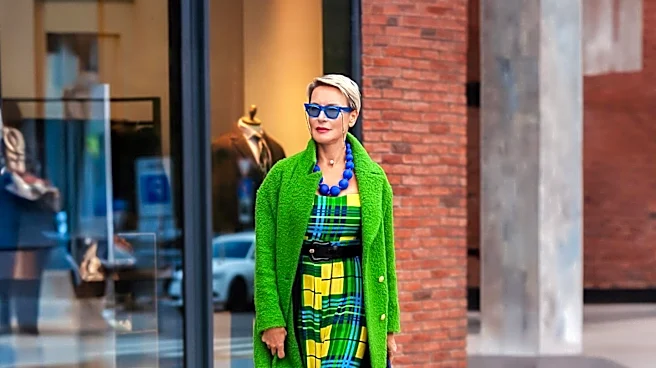
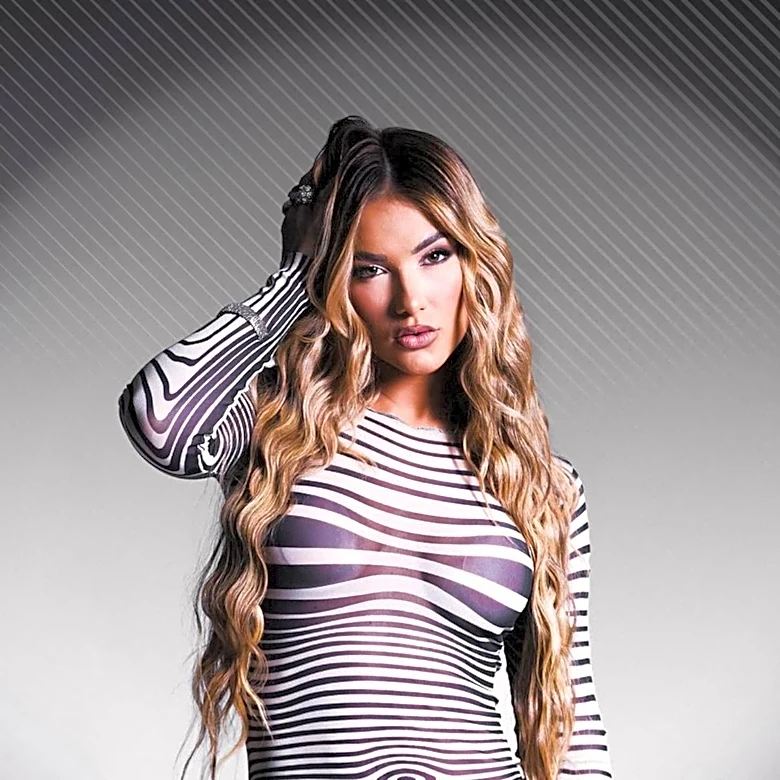
Mixing patterns can look incredibly chic, but it can also go wrong quickly if it seems accidental. Throwing two bold, competing prints together often results in a look that feels chaotic. The secret to successful pattern mixing is to follow a few simple guidelines. First, vary the scale: pair a large, bold print with a smaller, more subtle one. Second, make sure the patterns share a common color to tie them together. A classic combination like stripes and florals often works because the two are different enough in structure. If you're new to pattern mixing, an easy entry point is to keep one pattern as the main statement and use the second as a smaller accent, like a plaid blazer over a subtly printed tee.