







The Foundation: ABS and Stability Control
Before diving into the high-tech wizardry, it’s essential to grasp the basics that have been saving lives for years. Antilock Braking Systems (ABS) and Electronic Stability Control (ESC) are foundational. ABS prevents your wheels from locking up during
a hard brake, allowing you to maintain steering control. You might feel the pedal pulse under your foot—that’s normal, and it means the system is working. ESC, which has been required on new vehicles since 2012, helps prevent skids and loss of control on curves or slippery roads. It automatically applies brakes to individual wheels to keep the car headed where you’re steering. For a new driver, these systems are the invisible guardians that can make the difference in an emergency.
Your Digital Co-Pilot: Blind Spot and Cross-Traffic Alerts
Changing lanes and backing out of parking spots are high-stress maneuvers for any driver, especially novices. Blind Spot Monitoring uses sensors to detect vehicles you can’t see in your side mirrors, typically flashing a warning light on or near the mirror. It’s a crucial aid that helps prevent sideswipe collisions. Similarly, Rear Cross-Traffic Alert acts as a second set of eyes when you’re in reverse. It warns you of approaching cars, cyclists, or pedestrians that are outside the view of your backup camera, giving you an essential heads-up in busy parking lots. Think of these features not as a replacement for looking over your shoulder, but as a confirmation that the coast is clear.
The Brake Assistant: Forward Collision Warning and AEB
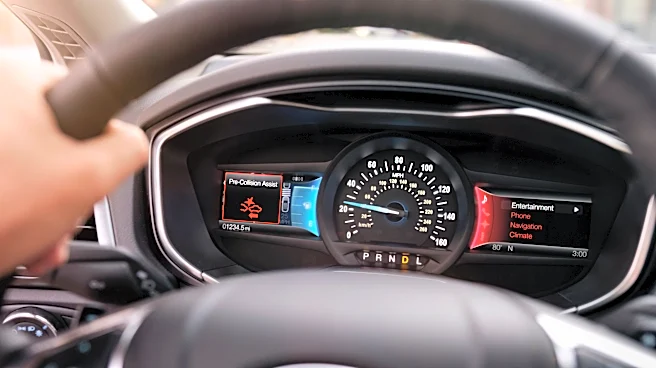
Distractions happen, and a moment’s inattention can be costly. Forward Collision Warning (FCW) systems use cameras or radar to monitor the road ahead. If you’re approaching a stopped or slow-moving car too quickly, it will issue a visual and audible alert. This is often paired with Automatic Emergency Braking (AEB), which takes things a step further. If the driver doesn’t react to the warning, AEB can automatically apply the brakes to prevent a crash or reduce its severity. Research from the Insurance Institute for Highway Safety (IIHS) has shown that features like AEB are particularly helpful for teen drivers, who are still developing the experience to recognize and react to hazards quickly.
Staying Centered: Lane Departure and Lane Keeping Systems
Long drives and momentary lapses in focus can lead to unintentional drifting. Lane Departure Warning (LDW) uses a camera to track lane markings and will alert you with a sound or steering wheel vibration if you start to stray without signaling. More advanced Lane Keeping Assist systems can provide gentle steering input to guide the car back toward the center of the lane. It’s important for new drivers to understand these are assistance tools, not self-driving features. You are always required to keep your hands on the wheel and remain in full control of the vehicle.
Smarter Cruising: Adaptive Cruise Control
Standard cruise control is great for maintaining a set speed, but Adaptive Cruise Control (ACC) is a significant upgrade for highway driving. This system uses radar to maintain a preset following distance from the car ahead. It will automatically slow down and speed up with the flow of traffic. For a new driver, this can reduce fatigue on long trips and help them practice maintaining a safe following distance. However, it’s also a lesson in paying attention; the driver must always be ready to take over, as the system has limitations and can’t react to every possible road scenario.
Parking Perfected: Backup Cameras and Sensors
Since 2018, all new cars sold in the U.S. are required to have backup cameras, and for good reason. They provide a clear view of the area directly behind the vehicle, dramatically reducing the risk of backover accidents. Many cars supplement the camera with parking sensors that beep with increasing frequency as you get closer to an object. Learning to use the camera view in conjunction with your mirrors and a physical check around the car is a key skill for mastering parking and safely navigating tight spaces.