







What Air Purifiers Excel at Removing
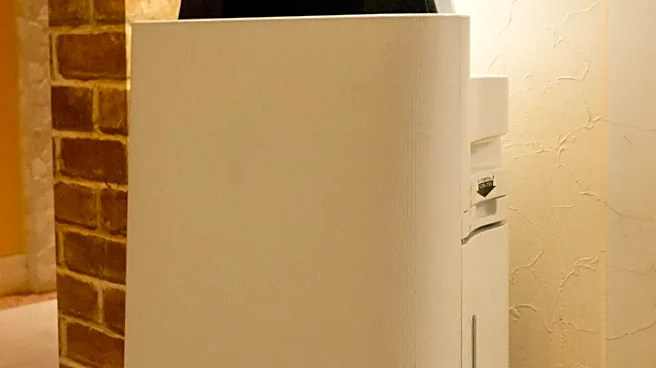
At their core, most allergy-focused air purifiers are built around a HEPA filter. HEPA stands for High-Efficiency Particulate Air, and to earn this label, a filter must be able to trap at least 99.97% of airborne particles that are 0.3 microns in size.
This makes them incredibly effective against many of the most common airborne allergens that float through your home. The biggest wins for air purifiers are capturing pollen from outdoors, pet dander from your furry friends, and airborne mold spores. These particles are the perfect size for a HEPA filter to snatch out of circulation before they can enter your respiratory system and trigger a reaction. By continuously cycling the air in a room, a purifier significantly reduces the concentration of these specific irritants.
The Complicated Case of Dust Mites
Many people buy purifiers to combat dust mite allergies, but this is where things get tricky. Air purifiers can and do remove airborne dust mite waste particles, which are the actual allergen. However, the key word is airborne. Dust mites themselves, along with the bulk of their allergenic waste, live deep within fabrics like your mattress, pillows, and carpets. They don't spend much time floating in the air. An air purifier can't reach into your bedding to clean it out. So, while a purifier can help by catching particles that get kicked up into the air when you make the bed or walk across a rug, it is not a complete solution for a dust mite problem. It’s a helpful tool, but it can't replace measures like using allergen-proof mattress covers and regular hot-water washing of bedding.
What Air Purifiers Can't Touch
A standard HEPA filter is designed to trap solid particles, not gases. This is the biggest limitation to understand. Unpleasant odors, chemical fumes, and a class of pollutants called Volatile Organic Compounds (VOCs) will pass right through a HEPA filter untouched. VOCs are gases released from everyday items like paint, new furniture, cleaning products, and air fresheners. To remove these gaseous pollutants, you need a different type of filter: activated carbon. Many air purifiers come with a combination HEPA and activated carbon filter to tackle both particles and some odors. However, for a carbon filter to be truly effective against heavy VOCs or strong smells, it needs to be substantial—a thin, flimsy-looking carbon layer won't do much.
Making Your Purifier Actually Work for You
Just owning an air purifier isn't enough; you have to use it correctly. The single most important factor is matching the purifier to your room size. Look for the CADR, or Clean Air Delivery Rate. This number tells you how quickly the unit can clean a room of a certain size. A higher CADR means faster cleaning. For allergy relief, the general rule is to choose a purifier with a CADR rating that is at least two-thirds of your room's square footage. For example, a 150-square-foot bedroom needs a purifier with a CADR of at least 100. Place the unit where it has good airflow, not stuck behind a couch, and plan to run it continuously, especially in the bedroom where you spend the most consecutive hours. Finally, remember to change the filters according to the manufacturer's schedule. A clogged filter can't clean the air effectively.