






Match the Game to Their Stage
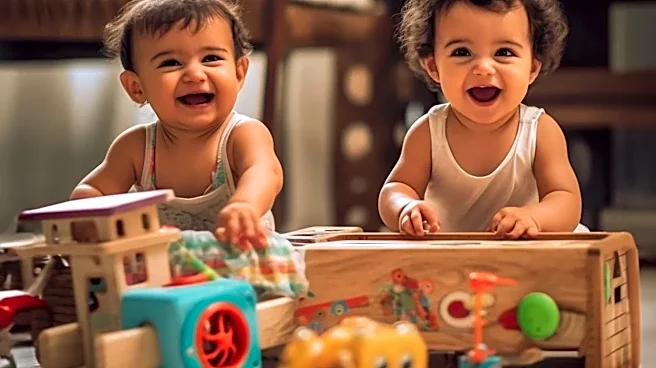
Before you even open the box, consider where your toddler is developmentally. Toddlers from ages one to three move through distinct stages of play. Younger toddlers often engage in 'solitary play,' exploring objects on their own, or 'parallel play,' where they
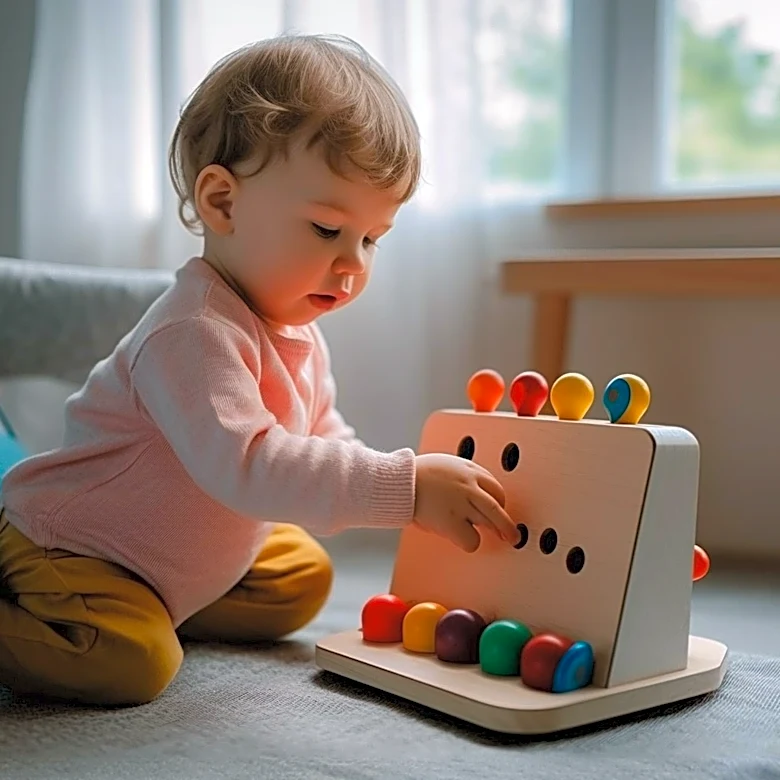
play alongside others without direct interaction. A game requiring complex turn-taking might be too advanced, while one that lets them stack, sort, or manipulate objects is perfect. Look for open-ended toys like blocks or play dough that don't have a single 'right' way to be used, which allows their imagination to flourish. Simple cause-and-effect toys, like pop-up boxes or things that make noise when pushed, are also big hits.
Pick the Perfect Moment
Timing can make or break a new game introduction. A toddler who is tired, hungry, or overstimulated is not in the right headspace to learn something new. The best time to present a new activity is when your child is calm, fed, and alert. Try after a nap or during a quiet morning at home. Create a calm, inviting play space by clearing away other distractions. Introducing one new thing at a time prevents them from feeling overwhelmed and allows them to focus their curiosity. A clutter-free area with just you, your child, and the new game sends a clear signal that this is a special activity.
You Go First: Model the Fun
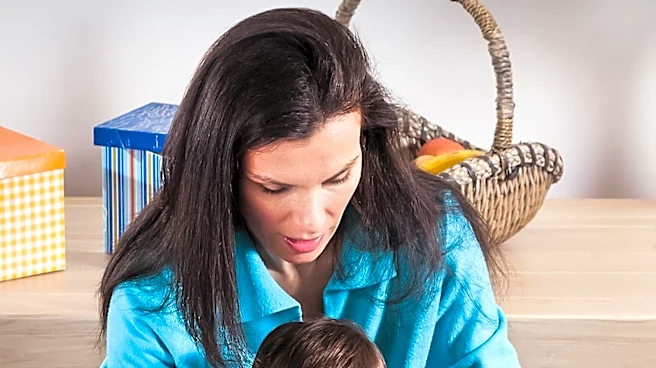
Toddlers are master imitators. One of the best ways to get them interested in a new game is to play with it yourself first. Show them how it works in a simple, engaging way, but don't be a drill sergeant. Your goal isn't to teach the rules, but to demonstrate the possibilities and show that it’s fun. Sit on the floor, start stacking the blocks, or roll the colorful ball. Narrate what you're doing in a playful voice: "I'm putting the blue ring on the post!" Your engagement sparks their curiosity. They see you enjoying it, which makes the game instantly more appealing.
Let Them Break the Rules
It’s common to want to teach your toddler the 'correct' way to play a game, but it's often more beneficial to let them lead. If they want to use the puzzle pieces as pretend food or stack the board game tokens instead of moving them around the board, let them. This is a form of imaginative and creative play, which is a massive part of their cognitive development. The goal of play is exploration and learning, not winning or following a rigid set of instructions. Ditching the rulebook and embracing their creative interpretation keeps the experience joyful and pressure-free, ensuring they associate the new game with fun.
Know When to Stop
A toddler’s attention span is short. An activity that captivates them for ten minutes one day might only hold their interest for two the next. It’s crucial to read your child's cues. If they start to get frustrated, look away frequently, or simply wander off, it’s a sign they’re done. Don't try to force them to continue playing. Pushing them will only create a negative association with the game. Simply say, "Looks like we're all done with this for now!" and put it away without any fuss. The game hasn't failed; their attention tank is just empty for that particular activity.
Rotate and Reintroduce
If a new game doesn't land well the first time, don't declare it a dud. Put it away out of sight for a week or two, then try bringing it out again. This is a classic toy rotation strategy. When the game reappears after a brief absence, it can feel brand new and exciting all over again. A child's skills and interests develop at a dizzying pace; a game that was too challenging or uninteresting last month might be exactly what they’re ready for now. Patience and reintroduction are your best friends in the world of toddler play.