





Oats, Barley, and High-Fiber Grains
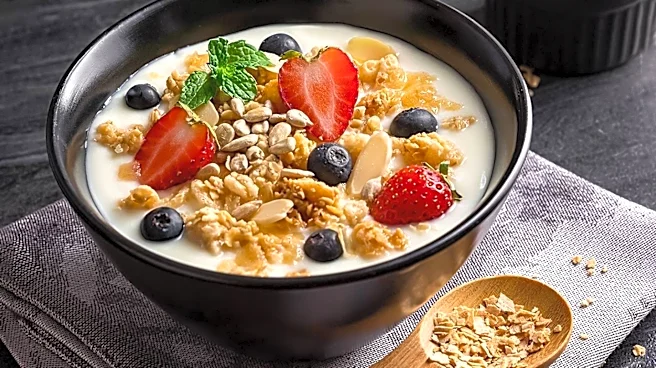
Starting your day with a bowl of oatmeal or choosing barley for a side dish can make a real difference. These grains are packed with a type of soluble fiber called beta-glucan. Soluble fiber works by forming a gel-like substance in your digestive system
that binds to cholesterol and helps escort it out of the body before it can be absorbed into your bloodstream. Aiming for at least five to 10 grams of soluble fiber a day can have a noticeable effect on your LDL levels. A single serving of oatmeal can provide 3 to 4 grams, getting you well on your way.
Beans and Legumes
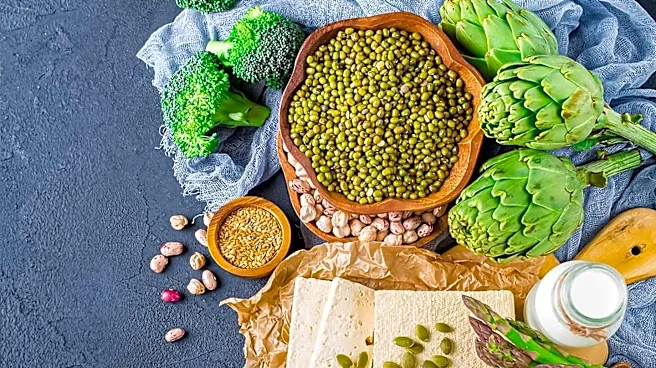
From black beans in your burrito to lentils in your soup, legumes are nutritional powerhouses. They are exceptionally rich in soluble fiber, which helps manage cholesterol. They also offer a great source of plant-based protein, making them a fantastic substitute for fattier meats that can be high in saturated fat. A single cup of black beans, for example, contains nearly 5 grams of soluble fiber. Swapping meat for lentils or beans in a few meals each week is a simple yet effective strategy for heart health.
Avocados, Nuts, and Seeds
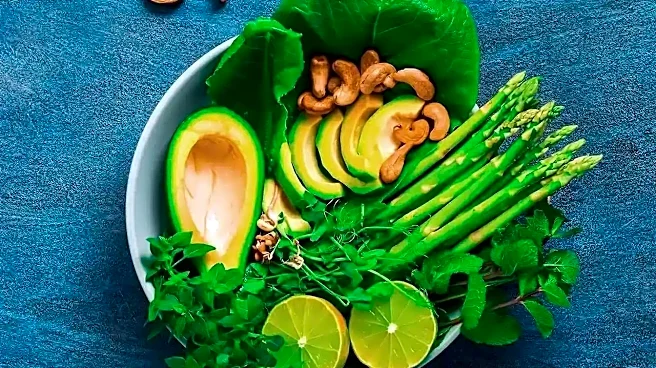
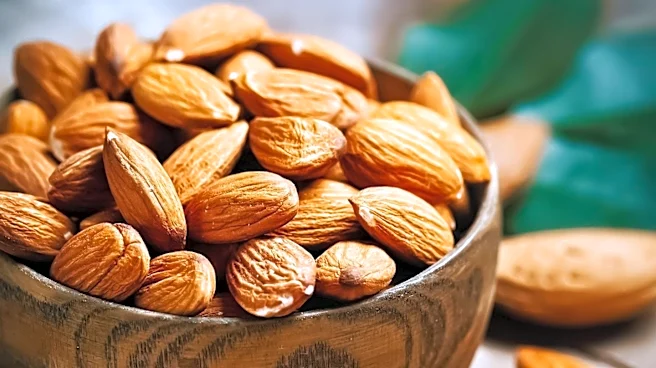
Don't fear the fat—as long as it's the right kind. Foods like avocados, almonds, walnuts, and olive oil are rich in monounsaturated fats. These healthy fats have been shown to help lower LDL cholesterol levels without negatively impacting the beneficial HDL, or "good" cholesterol. Nuts and seeds also provide fiber and other plant compounds that contribute to heart health. A small handful of walnuts or almonds makes a satisfying snack, while adding avocado to your toast or salad boosts your intake of these beneficial fats.
Fatty Fish
Eating fish like salmon, mackerel, herring, and sardines two times a week can significantly benefit your heart. These types of fish are high in omega-3 fatty acids, a type of polyunsaturated fat that helps lower triglycerides, a related type of fat in the blood. While they don't directly lower LDL cholesterol in the same way as soluble fiber, omega-3s reduce inflammation and decrease the risk of plaque buildup in the arteries, making them a crucial part of a cholesterol-conscious diet. To get the benefits, opt for baked or grilled preparations over fried.
Fruits Like Apples and Berries
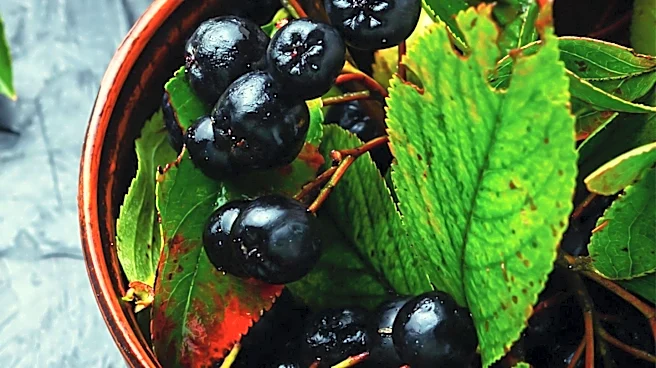
An apple a day might just help keep high cholesterol at bay. Fruits like apples, oranges, pears, and berries are good sources of soluble fiber, particularly a type called pectin. This fiber helps lower LDL cholesterol in the same way as the fiber in oats and beans. Furthermore, fruits are packed with vitamins and antioxidants that protect your heart and overall health. Berries and other colorful fruits can easily be added to your morning cereal, yogurt, or enjoyed as a naturally sweet dessert.
Foods with Plant Sterols and Stanols
Found naturally in small amounts in plants, sterols and stanols have a structure similar to cholesterol. When you consume them, they compete with cholesterol for absorption in your digestive system, which helps block cholesterol from entering your bloodstream. While you get some from fruits, vegetables, nuts, and seeds, many people turn to fortified foods to get a meaningful amount. Look for products like certain margarines, orange juices, and yogurts that have been fortified with plant sterols or stanols to help lower LDL cholesterol.