








The Onboard Vibe: Quietly Sophisticated
A Viking ship is defined as much by what it lacks as by what it has. You will find no casinos, no children under 18, and no splashy, Broadway-style production shows. The atmosphere is intentionally serene and adult-focused. Entertainment leans toward
enrichment lectures on history and art, classical music performances, and destination-inspired programming. Instead of high-energy activities, the ship offers quiet spaces like well-stocked libraries and lounges designed for conversation or enjoying the scenery. This appeals to travelers who find the constant upselling and high-octane environment of mainstream cruises to be a distraction. For them, the biggest excitement might be a competitive trivia night, and that’s a feature, not a bug.
The Focus: Destination Immersion
Viking's core philosophy is that the destination is the main event. Their itineraries, whether on rivers or oceans, are designed to maximize cultural immersion. This is supported by including one complimentary shore excursion in every port, a significant value compared to most cruise lines where tours are a major extra expense. These included tours are typically half-day excursions, allowing guests time to explore independently as well. Before the trip, Viking even provides reading lists and filmographies to help travelers prepare for the places they will visit. Onboard, this focus continues with regionally inspired menus and guest lecturers who provide context on the local culture and history.
The Price: What's Really Included?
At first glance, Viking fares appear significantly higher than many competitors. However, the line follows a “no nickel-and-diming” philosophy, bundling many extras into the initial price. A standard fare includes all onboard meals at any restaurant, beer and wine with lunch and dinner, unlimited Wi-Fi, 24/7 access to specialty coffees and bottled water, and access to the thermal spa on ocean vessels. Self-service laundry is also complimentary. The main costs not included are gratuities, cocktails outside of mealtimes, optional premium excursions, and spa treatments. When travelers add up the typical extra charges on other lines, Viking’s value proposition becomes much clearer.
River vs. Ocean: Two Ways to Viking
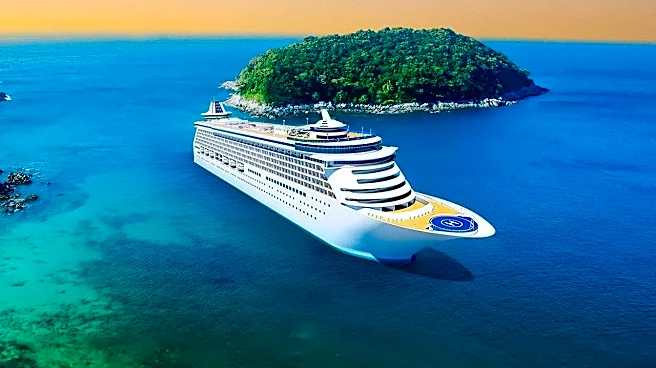
While sharing the same cultural DNA, Viking’s river and ocean products offer different experiences. The ocean ships are larger, carrying around 930 guests, and feature more amenities like multiple restaurants, all-veranda staterooms, and expansive spas with a signature Snow Grotto. The river longships are far more intimate, with about 190 guests. This smaller scale allows them to dock directly in the heart of cities, often within walking distance of key attractions. However, the smaller ships have fewer dining options—typically just a main restaurant and a more casual terrace—and generally lack room service for most cabin types.
Who Is a Viking Cruise Perfect For?
The ideal Viking guest is typically an English-speaking, affluent, and educated traveler aged 55 or older. They are often retired or semi-retired, culturally curious, and prioritize learning and enrichment over high-energy entertainment. They appreciate a quiet, adult-only environment and value the convenience of an all-inclusive price that covers the key elements of their journey. This traveler wants to see the world in comfort, without the logistical hassles of independent travel or the chaotic atmosphere of a mega-ship.
Who Might Want to Look Elsewhere?
A Viking cruise is not for everyone. Families with children are not permitted, as the minimum age is 18. Travelers on a tight budget will likely find the upfront cost prohibitive. Anyone seeking a lively, party-like atmosphere with casinos, late-night discos, and a wide array of thrill-based attractions should look to mainstream cruise lines. Furthermore, foodies who crave a vast selection of dining venues might find the options on Viking, particularly on the river ships, to be more limited than on larger vessels.