




Beyond the Grams: What is Protein Quality?
Think of protein as a necklace and amino acids as the beads. Our bodies need 20 different amino acids to function, but nine of them are considered "essential" because we can't make them ourselves—we have to get them from food. A "complete protein" contains
all nine of these essential amino acids in sufficient amounts. Animal-based foods like meat, fish, eggs, and dairy are classic examples of complete proteins. An "incomplete protein" is missing or low in one or more of these essential amino acids. This is where protein quality comes in. High-quality proteins provide all the essential building blocks your body needs for everything from repairing muscle tissue to producing hormones. It's not just about the total quantity of protein; it's about having the right materials for the job.
Digestibility: What Your Body Actually Uses
Now for the second piece of the puzzle: digestibility. The protein grams listed on a nutrition label tell you what's in the food, but not how much of it your body can actually break down and absorb. Protein digestibility refers to how efficiently your body can access and use the amino acids from a protein source. Animal proteins are generally highly digestible. Plant proteins, while incredibly nutritious, often come packaged with fiber and compounds that can slightly reduce their absorption rate. So, even if two foods have 20 grams of protein, your body might absorb 18 grams from one and only 15 from the other. This absorption gap is why looking only at the total protein can be misleading.
The Science of Scoring: PDCAAS and DIAAS
To standardize all this, scientists use scoring systems. For years, the go-to method was the Protein Digestibility Corrected Amino Acid Score (PDCAAS). It measures protein quality based on our amino acid needs and digestibility, with a top score of 1.0. Sources like whey, casein, and eggs hit that 1.0 mark, while many plant proteins score lower. More recently, a newer, more precise method called the Digestible Indispensable Amino Acid Score (DIAAS) has been developed. Unlike PDCAAS, which measures digestibility broadly, DIAAS looks at the absorption of each individual amino acid in the small intestine, where nutrient uptake actually happens. This gives a more accurate picture of a protein's true value to the body. While PDCAAS is still used for labeling in the U.S., DIAAS is seen by many experts as the future of protein evaluation.
Making It Work: Animal vs. Plant-Based Diets
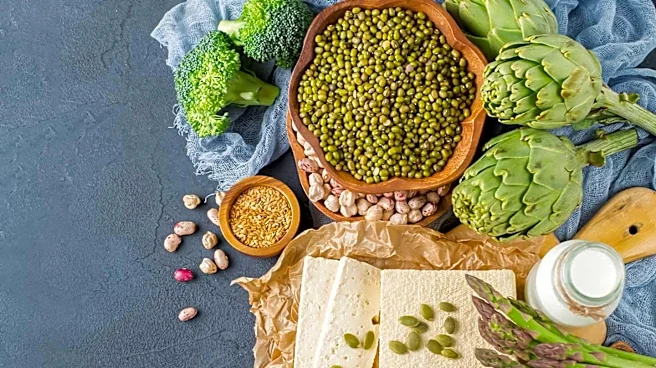
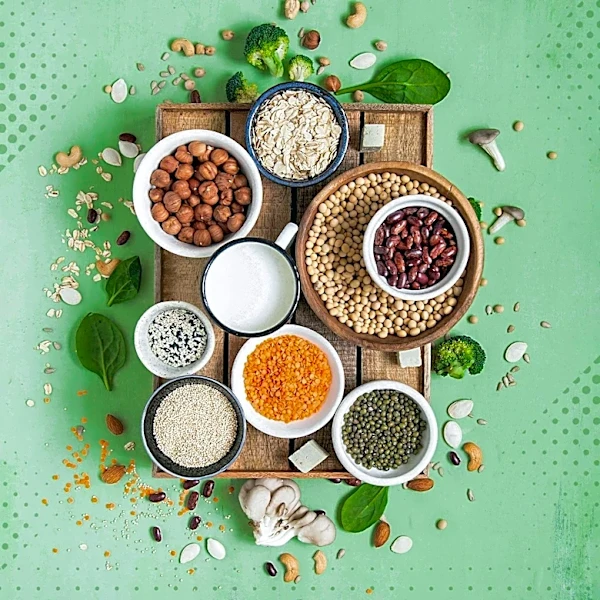
So, what does this mean for your grocery list? If you eat animal products, you're likely getting plenty of high-quality, highly digestible protein from sources like lean meats, fish, yogurt, and eggs. For those on a plant-based diet, it's not about deficiency but strategy. Most plant proteins are incomplete on their own, but they can easily be combined to form a complete amino acid profile. This is the idea behind classic food pairings like rice and beans or hummus and pita bread. By eating a variety of plant sources—legumes, grains, nuts, and seeds—throughout the day, you can provide your body with all the essential amino acids it needs. Some plant-based foods like soy, quinoa, and buckwheat are exceptions, as they are complete proteins on their own.