





Using the Wrong Cuff Size
Perhaps the most critical and common error is using a blood pressure cuff that doesn't fit your arm. An ill-fitting cuff can significantly distort your readings. If the cuff is too small for your arm, it can artificially inflate your systolic reading by
as much as 20 mmHg. Conversely, a cuff that is too large may give you a falsely low reading, potentially masking hypertension that needs attention. To get it right, measure the circumference of your bare upper arm and choose a cuff specifically designed for that measurement. The inflatable bladder of the cuff should wrap around 75% to 100% of your arm's circumference. Many monitors come with a standard adult cuff, but large and small sizes are widely available and essential for accuracy.
Incorrect Arm and Body Positioning
How you sit matters just as much as the cuff. For an accurate reading, you must be seated in a chair with your back supported and your feet flat on the floor—no crossing your legs. Crossing your legs can compress blood vessels and raise your reading by up to 15 mmHg. Your arm should be resting on a flat surface, like a table, so that the cuff is level with your heart. If your arm is hanging by your side or held up without support, your reading could be up to 20 mmHg higher than it should be. Slouching on a sofa without back support can also affect the numbers, so a dining chair is often a better choice.
Measuring Over Your Clothing
It might seem like a minor shortcut, but placing the cuff over your shirt sleeve is a recipe for an inaccurate result. Even thin fabric can interfere with the monitor's ability to get a precise reading. The American Heart Association and other health organizations explicitly state that the cuff should always be placed on a bare arm. Taking a reading over clothing can throw off the measurement by 5 to 50 points, rendering the result essentially useless. Always roll up your sleeve or remove the shirt on the arm you are using for the measurement.
Forgetting to Rest Before You Measure
You can't rush a blood pressure reading. To get a true resting measurement, you need to be, well, resting. Before you press start, sit quietly in your chair for at least five minutes. This allows your heart rate and blood pressure to settle down from whatever activity you were just doing, whether it was climbing stairs or just walking across the room. Failing to do this can lead to a reading that reflects your recent activity level, not your baseline health. During this five-minute quiet period, resist the urge to look at your phone or watch the news, as these can also cause stress and elevate your numbers.
Talking or Moving During the Reading
The five minutes of quiet time should extend through the measurement itself. Talking, even a brief chat, can cause a significant spike in blood pressure. Studies have shown that conversing during a reading can increase your systolic pressure by 10 to 19 mmHg. The act of thinking and engaging in conversation stimulates the brain and body in a way that raises pressure. Likewise, any movement, like fidgeting or adjusting your position, can affect the result. Stay still and silent until the cuff has fully deflated and the reading is complete.
Poor Timing and Preparation
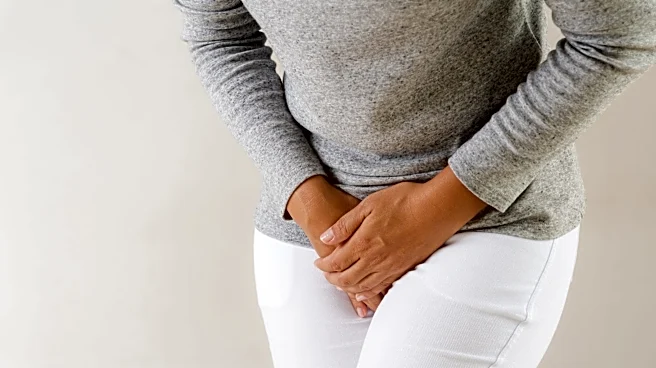
What you do in the 30 minutes before a reading can have a major impact. You should avoid exercise, smoking, and consuming caffeine or alcohol for at least half an hour before you measure. All of these can temporarily raise your blood pressure and prevent an accurate resting reading. Another often-overlooked factor is a full bladder, which can increase your reading by a surprising amount. Always use the restroom before you sit down to take your measurement. For the most useful data, try to take your readings at the same time each day, such as in the morning and evening.
Taking Only a Single Reading
A single measurement is just a snapshot in time, and it can be easily skewed. To get a more reliable picture of your blood pressure, the American Heart Association recommends taking at least two readings, spaced one minute apart. Record both numbers, or if your machine averages them, use that figure. This practice helps ensure the reading is consistent and not a random fluctuation. Recording your results in a logbook or app and sharing them with your doctor helps them see trends and make informed decisions about your care.