




Choosing the Wrong Size for Your Room
It’s tempting to grab the smallest or cheapest model, but an underpowered purifier is fighting a losing battle. Air purifiers are rated with a Clean Air Delivery Rate (CADR), which tells you how much clean air the unit produces and for what size room
it's effective. For allergy relief, experts suggest choosing a purifier with a CADR that is at least two-thirds of the room's square footage. For example, for a 300-square-foot living room, you'd want a unit with a CADR of 200 or more. Without that power, the purifier can't cycle the air fast enough to remove new allergens as they appear, leaving you to sniffle and sneeze despite your best efforts.
Hiding It in a Corner
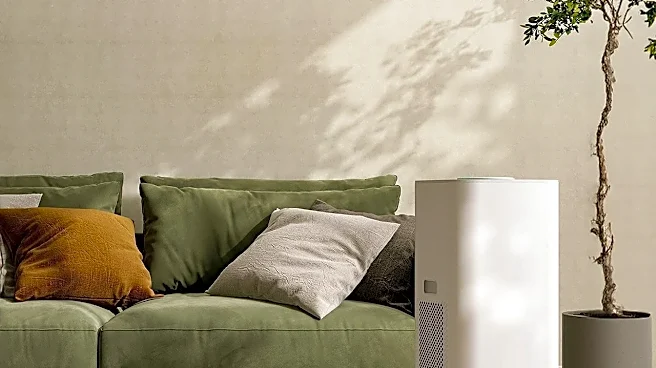
An air purifier's effectiveness hinges on its ability to create a cycle of air throughout a room. Placing it behind a sofa, tucked into a corner, or pressed against a wall severely restricts its airflow. Think of it like trying to breathe with a hand over your mouth. Most purifiers need several feet of clear space around them to pull in dirty air and push out clean air efficiently. Experts from the Asthma and Allergy Foundation of America recommend placing the unit in the room where you spend the most time, like a bedroom, and positioning it away from walls and furniture to maximize circulation. Some even suggest elevating it 3-5 feet off the ground to better capture allergens floating at breathing level.
Forgetting About Filter Maintenance
This is perhaps the most common and critical mistake. An air purifier is only as good as its filter. Over time, HEPA filters become clogged with the very particles they're designed to trap—dust, pollen, and pet dander. A full filter can't capture new particles, and airflow drops dramatically. Even worse, a neglected filter can become a source of pollution itself, potentially releasing trapped allergens back into the room. Check your manufacturer's guidelines; most recommend replacing HEPA filters every 6 to 12 months. If your model has a washable pre-filter, cleaning it monthly can prolong the life of the main filter. Don't ignore the filter change indicator light—it's there for a reason.
Running It Only When You Feel Symptoms
Allergens are persistent, and so your air purifier should be, too. Many people only switch their unit on when their allergies flare up, but this is a reactive approach. For the best results, an air purifier should run continuously, especially during high-pollen seasons. By running it 24/7, you maintain a constant state of clean air, preventing allergen levels from building up in the first place. If running it all day seems excessive, at least have it on in the bedroom while you sleep, as this is where you spend a long, concentrated period breathing the same air.
Leaving the Windows Wide Open
While letting in fresh air is nice, opening your windows during peak allergy season is like trying to bail out a boat with a hole in it. You are inviting a constant stream of new pollen and pollutants into your home, forcing your air purifier to work overtime and ultimately negating much of its benefit. Air purifiers are designed to work most effectively in a sealed environment. During high-pollen days, it's best to keep windows closed and let the purifier do its job. If you need to ventilate, check local air quality reports and try to open windows when pollen counts are lower, such as after a rainstorm.
Buying a Purifier That Lacks a True HEPA Filter
Not all filters are created equal. For significant allergen reduction, a "True HEPA" filter is the gold standard. These filters are certified to capture 99.97% of particles as small as 0.3 microns, which includes most common triggers like pollen, mold spores, and pet dander. Be wary of models advertised as "HEPA-type" or "HEPA-like," as they don't meet this strict standard and may miss the microscopic particles causing your symptoms. Additionally, some purifiers produce ozone, a lung irritant that can make respiratory issues worse. Ensure your model is certified not to produce harmful levels of ozone.