







Set the Stage Before You Measure
An accurate reading begins long before you put on the cuff. Your body's immediate state can cause temporary spikes that don't reflect your true resting blood pressure. For at least 30 minutes before you take a measurement, you should avoid a few key things.
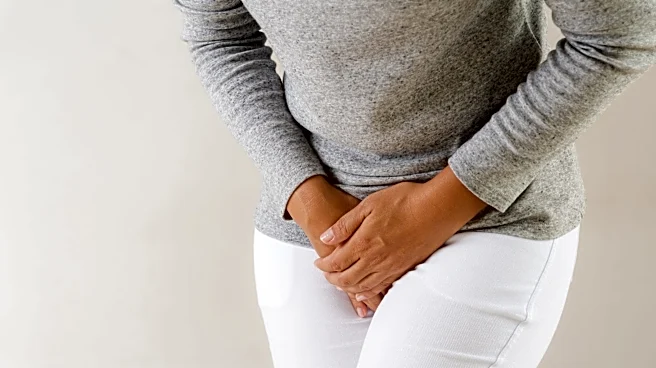
Do not smoke, exercise, or consume caffeine, as all of these can elevate your numbers. It's also wise to use the restroom first; a full bladder can surprisingly increase your reading by up to 10 points. The goal is to measure your body at its baseline, not in a state of stress or stimulation. Find a quiet, comfortable space where you can sit and relax for at least five minutes without distractions like television, your phone, or conversation. This quiet period allows your cardiovascular system to settle, providing a much more reliable snapshot of your health.
Perfect Your Posture and Positioning
How you sit is just as important as how you prepare. Slouching on a sofa or crossing your legs can compress blood vessels and artificially raise your reading. For the most accurate result, sit upright in a firm chair with your back supported. Both of your feet should be flat on the floor—never crossed. The arm you use for the measurement needs to be completely relaxed and supported on a flat surface, like a table or armrest. Crucially, your upper arm should be positioned at the same level as your heart. You may need to prop your arm up with a pillow to achieve the correct height. This posture ensures that gravity isn't affecting the blood flow and that the monitor is capturing a true reading without interference from muscle tension.
Master the Cuff
The most common source of error in home blood pressure monitoring comes from the cuff itself. First, ensure you're using the right type of monitor. The American Heart Association recommends an automatic, cuff-style monitor that goes on your upper arm, as wrist and finger models are generally less reliable. Second, size is critical. A cuff that's too small for your arm can give a falsely high reading, while one that's too large can give a falsely low one. Measure your arm's circumference and check it against the manufacturer's sizing guide. When you put the cuff on, it should be against your bare skin, not over clothing, as even a thin sleeve can skew the numbers significantly. The bottom edge of the cuff should sit about an inch above the bend of your elbow.
Follow a Consistent Routine
A single blood pressure reading is just one data point. To get a truly useful picture of your health, you need to look for patterns over time. This is where a consistent routine becomes invaluable. Try to take your readings at the same times each day, such as in the morning before medication and again in the evening. When you measure, don't stop at one reading. The standard medical advice is to take two or three readings, each about one minute apart, and record all the results. This helps to account for any minor fluctuations and gives a more stable average. During the measurement process, remain still and silent. Talking, even in a relaxed way, can raise your blood pressure by 10 points or more.
Keep a Log and Partner with Your Doctor
Taking the readings is only half the battle; the other half is using the data effectively. Keep a detailed log of all your measurements, including the date, time, and the systolic and diastolic numbers. Many modern monitors have a memory function that stores readings, which can simplify this process. Don't be alarmed by a single high reading, as blood pressure naturally fluctuates. Instead, focus on the average over a week. Sharing this log with your healthcare provider is essential. It gives them a much clearer view of your blood pressure trends than the single reading they get in the office, helping to identify potential "white coat hypertension" (higher readings in a medical setting) or masked hypertension (lower readings in the office than at home). This collaboration allows for better-informed decisions about your treatment plan.