




The Promise of a Safer Drive
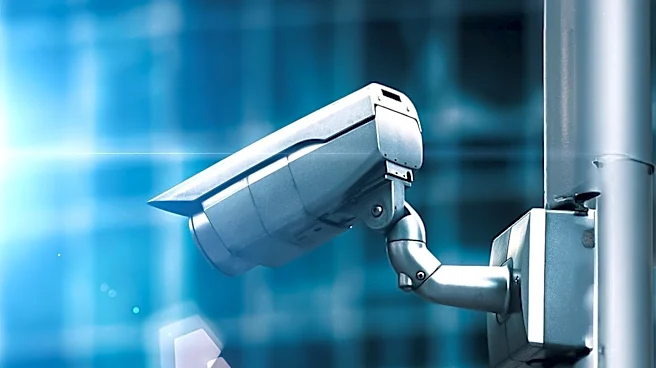
Let’s start with the good news: the technology works. Features once reserved for luxury models are now common, from Automatic Emergency Braking (AEB) and Blind-Spot Detection to Lane-Keeping Assist. These systems use a suite of cameras and sensors to monitor
the road, and the data is clear. According to the Insurance Institute for Highway Safety (IIHS), AEB alone can slash rear-end crashes by 50%. When bundled together, these features have the potential to prevent millions of crashes and save thousands of lives annually. They act as a digital co-pilot, an extra set of eyes that never gets tired or distracted. The goal isn't to replace the driver, but to provide a crucial safety net when human error, which accounts for the vast majority of accidents, inevitably occurs.
The Automation Complacency Trap
Here's the paradox: the better the technology gets, the more our brains want to check out. This phenomenon is known as “automation complacency.” As drivers become more confident that the car can handle routine tasks, their own vigilance can begin to fade. They may be slower to react in an emergency or fail to notice when the system makes a mistake. Studies have shown that drivers using advanced assistance features are more likely to let their attention wander or even take their hands off the wheel. It’s a natural human response. After hundreds of miles without incident, our minds create a rule based on positive experience, lulling us into a false sense of security. We start to believe the car is more capable than it is, shifting from active driver to passive passenger. That’s when things can go wrong.
Where the Tech Still Falls Short
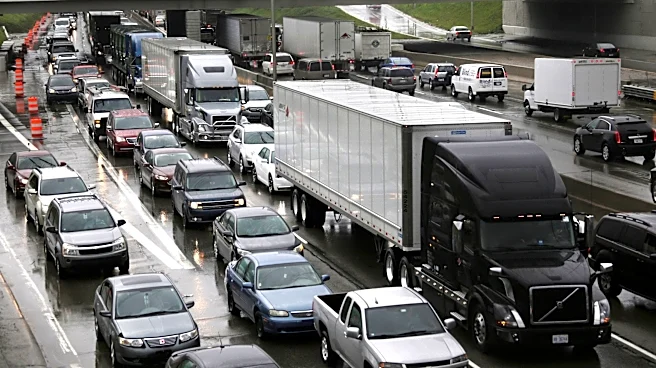
These systems are powerful, but they aren't perfect. Their sensors and cameras can be hampered by the same things that challenge human drivers: heavy rain, fog, snow, or even direct sunlight. A dirty camera lens can be enough to degrade performance. Lane markings that are faded or covered by snow can confuse lane-keeping systems. And then there's the unsettling issue of “phantom braking,” where a car's AEB system brakes suddenly for no apparent reason. This can be triggered by shadows from an overpass, metal guardrails, or other road features that the system misinterprets as a threat. While automakers are constantly refining the software, these incidents highlight that the technology’s perception of the world is not as nuanced as a human’s.
It's Driver Assistance, Not Self-Driving
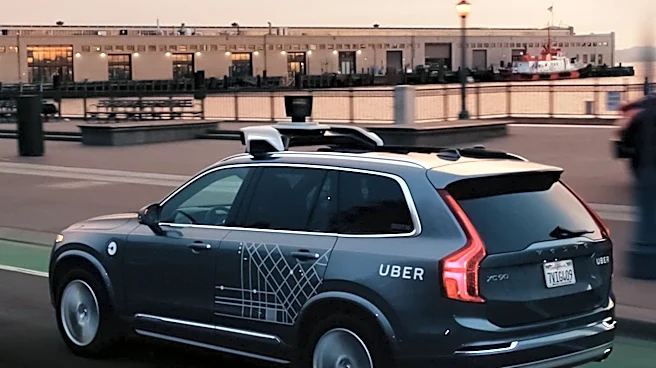
Much of the confusion stems from a misunderstanding of the technology's classification. The vast majority of cars on the road today with ADAS are at Level 2 automation. This means the car can assist with steering, acceleration, and braking in certain conditions, but the driver must remain fully engaged, with their hands on the wheel and eyes on the road, ready to take over at any moment. These are not self-driving cars. True self-driving vehicles (Levels 4 and 5) that can handle all aspects of driving without human intervention are not yet available for public purchase. Calling these systems “Autopilot” or other suggestive names can contribute to driver over-reliance. A 2018 AAA study found that many drivers don't fully understand the limitations of the features in their own cars, a knowledge gap that can have dangerous consequences.
How to Be a Smarter, Safer Driver
The key is to treat your car’s safety features as the helpful but fallible assistants they are. The first step is education. When you get a new car, read the owner’s manual. Understand what each feature does and, more importantly, what its limitations are. Don't assume you know how a system works based on its name. Know the difference between a collision warning (a beep or a flash) and a collision avoidance system (which applies the brakes). Most importantly, never let the technology replace your own vigilance. You are not a passenger supervising a perfect machine; you are the driver, and you are ultimately in command. The technology is there to back you up, not to take your place. Think of it as a partnership where you always have the final say.