





It's a Daily Habit, Not a Vacation Task
The most significant mind-set shift dermatologists want students to make is seeing sunscreen as a daily necessity, not just for beach days. Walking to class, sitting by a window in the library, or grabbing lunch outdoors all result in sun exposure. These
brief, repeated exposures add up over time, contributing to premature aging and increasing the risk for skin cancer. The American Academy of Dermatology recommends applying sunscreen every day as a foundational part of your morning routine, just like brushing your teeth. Make it automatic: after you wash your face, before you leave your dorm. That consistency is what provides real, long-term protection.
Decode the Sunscreen Label Like a Pro
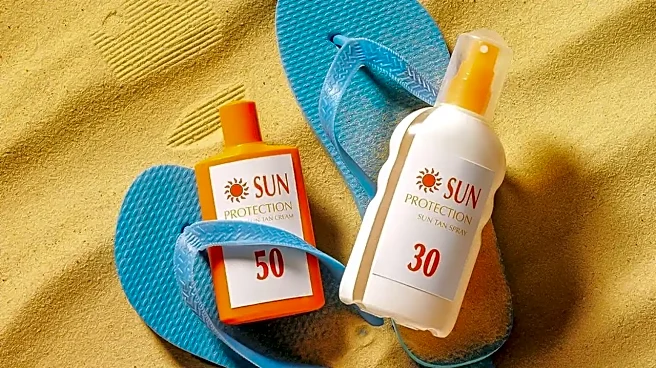
The sunscreen aisle can be confusing. Dermatologists say to look for three key things. First, choose an SPF of 30 or higher. An SPF 30 blocks about 97% of the sun's UVB rays, which are the primary cause of sunburn. Second, and non-negotiable, is the term "broad-spectrum." This means the product protects you from both UVB (burning) rays and UVA (aging) rays. UVA rays are present year-round, penetrate through clouds and window glass, and are the main culprits behind wrinkles and sunspots. Third, if you'll be active or sweating, look for "water-resistant," but know it's not waterproof; you'll need to reapply after swimming or sweating, usually after 40 or 80 minutes.
You're Probably Not Using Enough
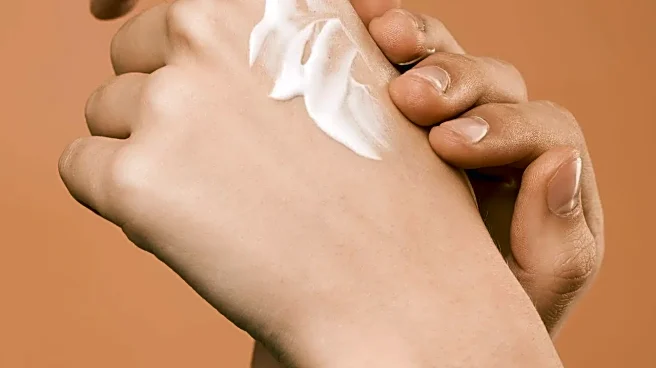
This is the most common mistake people make. To get the full SPF protection listed on the bottle, you need to apply a surprisingly generous amount. Studies show most people only apply 25% to 50% of the necessary amount. For your full body, the guideline is about one ounce—enough to fill a shot glass. For your face and neck alone, dermatologists recommend the "two-finger rule": squeeze a line of sunscreen along the length of your index and middle fingers. That amount, roughly half a teaspoon, is what's needed for proper coverage. Applying too little doesn't just cut protection by a little; it reduces it exponentially.
Find a Formula You'll Actually Want to Wear
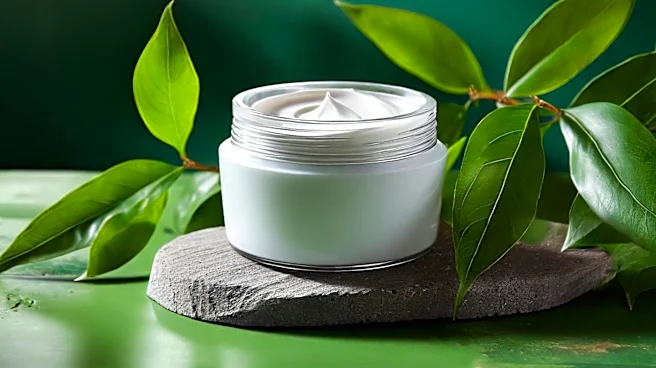
The best sunscreen is the one you will use consistently. If you hate the feeling of a greasy lotion, you won't use it. Luckily, formulas have improved dramatically. There are two main types: mineral (or physical) and chemical. Mineral sunscreens, with active ingredients like zinc oxide and titanium dioxide, sit on top of the skin and physically block rays. They're great for sensitive or acne-prone skin but can sometimes leave a white cast. Chemical sunscreens use ingredients that absorb UV radiation and convert it into heat. These formulas are often lighter and more transparent, making them easy to wear daily. With countless affordable gels, lightweight lotions, and stick sunscreens available, there's a budget-friendly option for every skin type and preference.
Reapplication Isn't Just a Suggestion
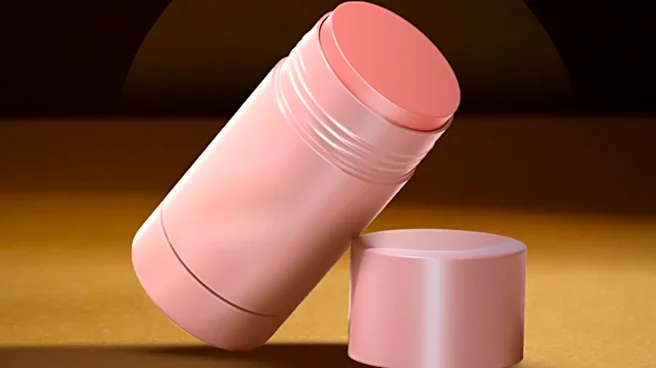
Sunscreen isn't a "one-and-done" application. Its effectiveness degrades over time. Dermatologists recommend reapplying every two hours when you're outdoors, and more frequently if you've been swimming or sweating heavily. This is often the step students skip. For easy reapplication on the go, especially over makeup or on a busy day, consider a sunscreen stick or a mineral powder sunscreen. You can keep a stick in your backpack for quick touch-ups on your face, ears, and hands before you head out for your next class or activity. Making reapplication easy is key to making it a habit.
It's Not Just for Your Face
Many people are good about protecting their faces but neglect other important areas. Dermatologists frequently see sun damage on the ears, neck, chest, and the backs of hands—areas that are almost always exposed. Don't forget your lips, either; use a lip balm with at least SPF 30. When you're applying sunscreen to your face using the two-finger rule, make sure you carry it down your neck and onto your exposed chest area. Give your ears a quick swipe, and use any leftover product on the backs of your hands. These spots are just as susceptible to sun damage and skin cancer as your face is.
Sunscreen is Only One Part of the Plan
Think of sun protection as a complete strategy, with sunscreen as just one important layer. Protective clothing is actually the most effective form of sun protection. A long-sleeved shirt, pants, a wide-brimmed hat, and UV-blocking sunglasses provide a physical barrier that doesn't wear off. Look for clothes with an Ultraviolet Protection Factor (UPF) rating, especially if you'll be outside for a long time. A UPF 50 rating is considered excellent, blocking 98% of UV rays. Seeking shade, especially during the peak sun hours of 10 a.m. to 4 p.m., is another simple and highly effective tactic.