





The Real Culprit Behind Dark Spots
First, let's clarify the target. Dark spots, known in dermatology as hyperpigmentation, are simply areas of skin with an excess of melanin. Melanin is the natural pigment that gives color to our skin, hair, and eyes. When certain cells, called melanocytes,
go into overdrive, they produce too much melanin, which then clumps together to form a visible spot. This can be triggered by a few key factors: inflammation (like after an acne breakout), hormonal changes (as seen in melasma), and, most significantly, sun exposure. Sun spots, also called age spots, are a direct result of your skin's long-term relationship with the sun's ultraviolet (UV) rays.
How the Sun Creates and Darkens Spots
The sun bombards our skin with different types of radiation, primarily UVA and UVB rays. Think of them this way: UVB rays are the 'burning' rays that cause sunburn, while UVA rays are the 'aging' rays that penetrate deeper into the skin. UVA rays, which make up 95% of the UV light reaching us, are particularly sneaky. They are present with consistent intensity year-round, can pass through clouds and even window glass, and reach the deeper layers of skin where melanocytes live. When these rays hit your skin, they trigger a defense mechanism: melanin production. This process is your skin’s attempt to protect itself from DNA damage, but repeated and excessive exposure throws the system out of balance, leading to the permanent dark spots you see.
Sunscreen: Your Shield and Stabilizer
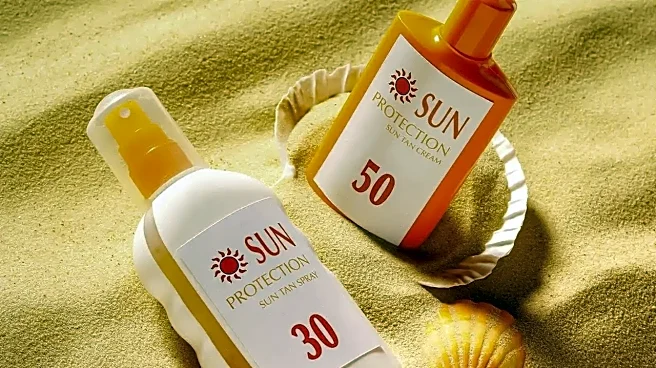
This is where sunscreen becomes the most valuable player in your skincare lineup. It doesn't actively erase existing dark spots, which is a common misconception. Instead, its primary role is defensive. By applying a broad-spectrum sunscreen, you create a protective barrier that blocks or absorbs the UV rays that signal your skin to produce more melanin. It effectively stops the trigger at the source. This has two major benefits. First, it prevents new spots from forming and keeps your existing spots from getting darker with every minor sun exposure—like a quick drive to the store or sitting near a bright window. Second, it gives your skin a stable environment, allowing its natural renewal process to work on gradually fading the pigmentation that's already there.
Why Your Treatments Fail Without It
If you're investing in powerful ingredients like vitamin C, retinoids, or tranexamic acid to treat hyperpigmentation, using them without daily sunscreen is like trying to mop the floor while the sink is still overflowing. Many of these potent ingredients work by speeding up cell turnover or inhibiting the enzyme responsible for melanin production. However, they can also make your skin more sensitive to the sun. If you apply a fading serum at night but then expose your skin to UV rays the next day without protection, you are essentially undoing all the progress. The sun continues to stimulate new melanin, fighting against the corrective work of your products and often making spots even more stubborn. Dermatologists agree that no dark spot routine can deliver its full potential without a consistent, daily sunscreen habit as its foundation.