





Morning: A Focus on Destination
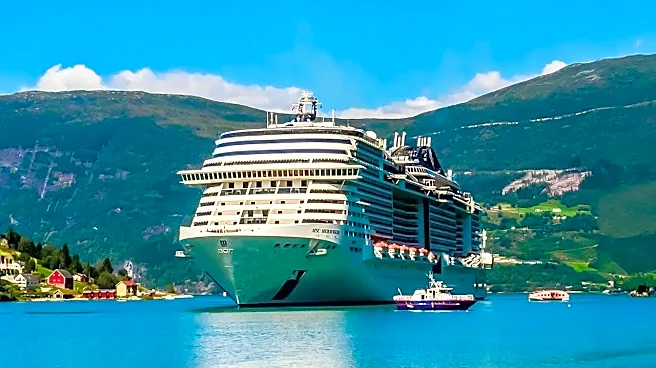
Mornings on a Viking ship, whether it's an ocean or river vessel, begin with a sense of purpose. After a comprehensive breakfast—think fresh omelets, extensive buffets, and regional specialties—the day’s main event begins. In nearly every port, Viking includes
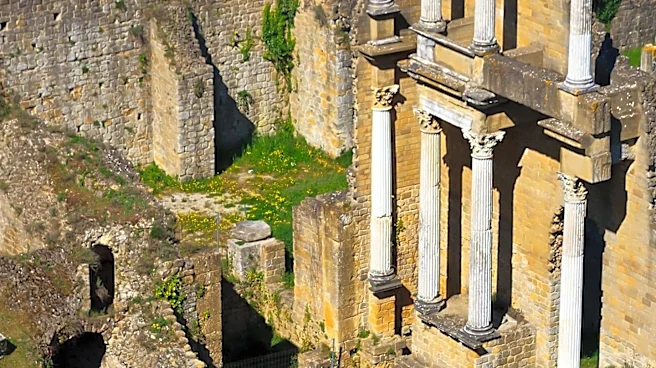
a complimentary shore excursion. These aren't just quick photo-ops; they are guided tours, often led by local experts, designed to provide a solid overview of the area's history and culture. On a river cruise, you might find yourself docking directly in the heart of a medieval town for a walking tour, while an ocean cruise could involve a comfortable coach ride to a significant landmark or a UNESCO World Heritage site. The pace is generally relaxed and manageable, though some excursions can involve considerable walking on terrain like cobblestones. The goal is clear: the destination is the star of the show.
Afternoon: An Air of Quiet Pursuits
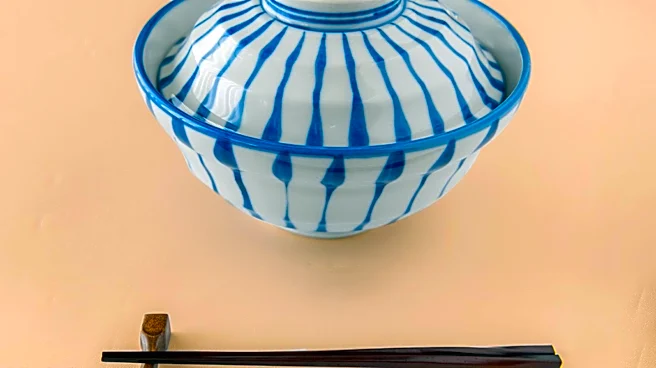
After returning from the morning’s exploration, the ship welcomes you back for lunch. Dining is a social affair, with options ranging from the main restaurant to more casual cafes. On ocean vessels, you might find the World Café or Pool Grill, while river ships center dining in the main restaurant and on the Aquavit Terrace. The afternoon that follows is typically unscheduled, offering a quiet interlude. Many passengers use this time to read in the library, relax in their staterooms, or enjoy the passing scenery from the deck. On ocean ships, guests have complimentary access to the Nordic-inspired spa, with its thermal pool and snow grotto. On both river and ocean itineraries, enrichment is a key focus. You might attend an onboard lecture about the history of your next port, watch a cooking demonstration of a local dish, or simply take a nap. There are no loud announcements or pressure to participate in group activities; the atmosphere is one of serene independence.
Evening: Refined Dining and Calm Entertainment
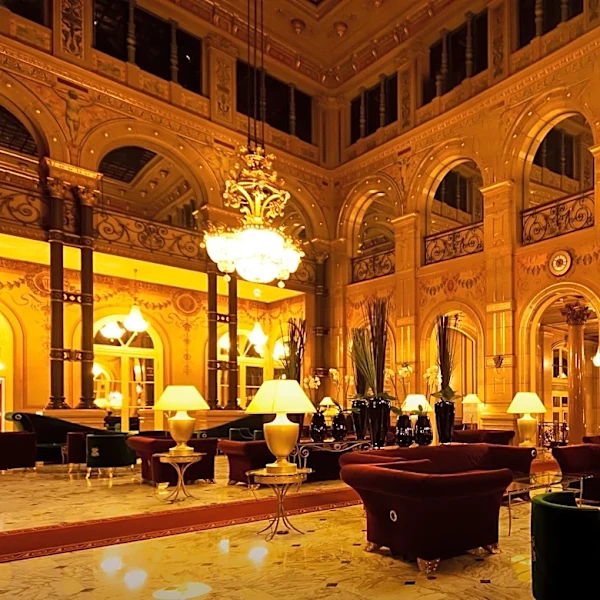
As evening approaches, the ship's lounges begin to fill for pre-dinner cocktails. Dinner itself is a highlight, served at a set time, especially on river cruises, and featuring a multi-course menu of regional dishes alongside classic favorites. Beer, wine, and soft drinks are included with lunch and dinner, fostering a convivial atmosphere. Following the meal, the entertainment is low-key and culturally relevant. Instead of flashy production shows, you’re more likely to find a classical music duo, a guest lecturer, or a performance by local artists brought on board for the evening. On ocean cruises, the Torshavn bar might feature a live band playing familiar hits for dancing, but the vibe remains sophisticated and never veers into a nightclub scene. For many, the evening ends with a quiet drink in the Explorers' Lounge or a conversation with new friends, capping a day of thoughtful travel.
The Key Difference: River vs. Ocean
While the philosophy is the same, the daily rhythm can differ slightly between river and ocean sailings. River ships are smaller, with fewer than 200 guests, creating an intimate feel where you dock in the center of cities, allowing for easy, independent exploration right off the ship. The focus is almost entirely on the port of the day. Ocean ships, which carry around 930 guests, are still considered small by industry standards and share the same Scandinavian design and adult-only (18+) policy. However, with itineraries that include days at sea, ocean vessels offer more extensive onboard amenities, such as multiple specialty restaurants (at no extra charge), a larger spa, a fitness center, and a wider variety of lounges. A typical day on an ocean cruise during a sea day is filled with more onboard programming, from lectures to afternoon tea in the Wintergarden.