


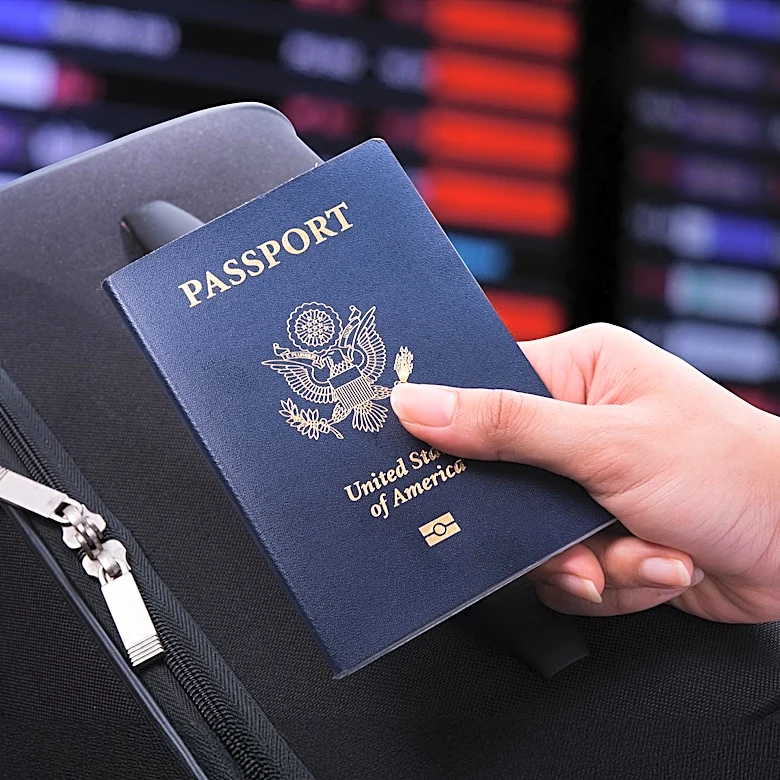





Master Your Pre-Trip Preparation
A great solo trip begins long before you leave home. Solid preparation is your first line of defense against the unexpected, freeing up mental space for pure enjoyment. Start by researching your destination’s customs and safe neighborhoods. Book your first night's
accommodation in advance so you have a secure place to land, especially if arriving late. Share your detailed itinerary with a trusted friend or family member, including flight numbers, hotel addresses, and planned activities. Create digital and physical copies of your essential documents—passport, visas, driver's license, and travel insurance. Store the digital versions in a secure cloud service and keep the physical copies separate from the originals. This simple habit can turn a potential crisis, like a lost wallet, into a manageable inconvenience.
Choose Your Home Base Strategically
Where you stay is the anchor of your trip, and choosing wisely is crucial for peace of mind. When booking a hotel, hostel, or rental, prioritize location and recent reviews. Look for places in well-lit, populated areas with easy access to public transportation. Read reviews specifically from other solo travelers, as they often highlight safety-related details. For hotels, a 24-hour front desk provides a constant point of contact and added security. If you opt for a hostel, consider one with female-only dorms and individual lockers for your valuables. When checking in, if a hotel clerk announces your room number out loud, it’s perfectly acceptable to politely request a different room. A room above the ground floor is also generally considered a safer option. Your accommodation should be a sanctuary, not a source of stress.
Perfect the Art of Situational Awareness
The goal isn't to be paranoid, but to be present. Blending in is a powerful safety tool. Observe local dress and customs to avoid standing out as an obvious tourist. Walk with purpose and confidence, even when you’re unsure of your direction—figure out your route before you leave your hotel. Keep your valuables secure and out of sight. Don’t flash expensive jewelry, cameras, or wads of cash. Consider using a cross-body bag worn in front of you. It’s also wise to be mindful of your conversations. Avoid oversharing personal information—like where you’re staying or the fact that you’re alone—with complete strangers. Projecting a calm, aware demeanor makes you a less appealing target for opportunistic crime.
Embrace Smart Digital Habits
Your smartphone is your lifeline, but it can also be a liability. Protect your digital identity with the same care you protect your physical self. Be cautious when using public Wi-Fi networks in cafes, airports, or hotels, as they can be vulnerable to hackers; using a VPN (Virtual Private Network) is a smart way to encrypt your data on unsecured networks. Think twice before posting your location on social media in real-time. Wait to share those amazing photos until you’ve left the area. Download offline maps for your destination, which allow you to navigate without a constant internet connection. You can also install a trusted safety app that can share your location with emergency contacts or provide local emergency numbers. These small digital adjustments provide a significant layer of security.
Navigate New Places with Confidence
Getting around a new city can be one of the most intimidating parts of traveling alone. Plan your transportation, especially from the airport to your lodging, in advance. Research reputable taxi companies or rideshare services available at your destination. When taking a taxi or Uber, confirm the driver and vehicle details match what's in the app before getting in. Sit in the back seat, which provides more personal space and easier exit options. If using public transport, study the routes and timetables beforehand to minimize confusion. Whenever possible, try to arrive in new cities during daylight hours, as navigating an unfamiliar place is much less stressful when it's bright out.
Trust Your Intuition—Always
This might be the most important rule of all: if a situation, person, or place feels wrong, it probably is. Your intuition is a powerful survival mechanism honed by your life experiences. Don't dismiss that nagging feeling in your gut. If you feel uncomfortable, remove yourself from the situation immediately. This could mean leaving a bar, crossing the street, or even changing your travel plans. Never feel obligated to be polite at the expense of your safety. It's better to be considered 'rude' and be safe than to be polite and find yourself in a vulnerable position. Empowering yourself to trust your instincts is the ultimate solo travel habit.