







The Perfectionism Trap
The biggest enemy of a sustainable meal plan is the all-or-nothing mindset. This is the voice in your head that says if you can't prep seven days of flawless, Instagram-worthy meals, you've failed. This black-and-white thinking turns meal prep into a high-pressure
performance. One unplanned lunch out or a craving for something not on the schedule can make you feel like the whole week is a write-off, prompting you to abandon your efforts until the next “perfect” start on Monday. This cycle of restriction, guilt, and giving up is exhausting and a primary reason many plans fail. In reality, progress relies on consistency, not perfection. The goal isn't to be a flawless robot; it's to make healthy eating easier most of the time.
When Your Brain Fights Back
Ever get to 5 p.m. and feel like choosing what to eat is the hardest task you've faced all day? That's decision fatigue. Our brains have a finite capacity for making thoughtful choices, and after a long day of work and life, that energy is depleted. Meal planning is supposed to solve this, but the planning process itself can feel overwhelming. It involves a complex sequence of executive functions: planning, organizing, prioritizing, and time management. When you try to map out an entire week of diverse, interesting meals, you can exhaust your decision-making reserves before you even start cooking. This mental load can make the entire process feel like a chore your brain is wired to avoid.
The 'Component Prep' Solution
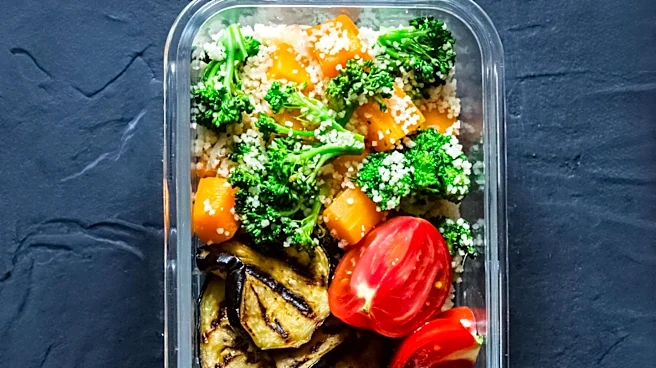
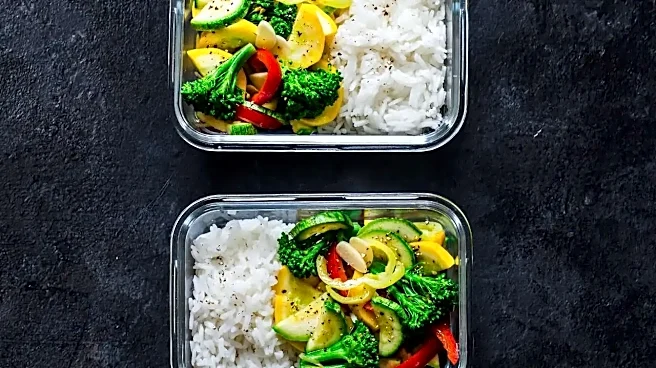
Instead of prepping entire, rigid meals, try shifting your focus to 'component prep.' This is a more flexible approach where you prepare individual ingredients that can be mixed and matched throughout the week. For example, spend your prep time cooking a large batch of quinoa, grilling a few chicken breasts, roasting a sheet pan of vegetables, and whisking together a vinaigrette. With these components ready, you can assemble a variety of meals—a grain bowl, a salad, or a wrap—in minutes. This strategy drastically reduces the boredom of eating the same exact meal for three days straight and gives you the freedom to choose what you’re in the mood for, making you far more likely to stick with it. It provides structure without sacrificing flexibility.
Start Small and Be Realistic
One of the most common mistakes is trying to go from zero to prepping 21 meals a week. This often leads to burnout and food waste when life inevitably gets in the way. A more sustainable approach is to start small. Aim to prep for just two or three days a week, perhaps focusing on lunches for your busiest workdays. You could also plan for a "leftover night" or even a scheduled takeout meal without feeling like you've failed your plan. The key is to build a routine that genuinely fits your lifestyle, not one that belongs to a wellness influencer. By lowering the stakes and aiming for good enough instead of perfect, you build a habit that can last.