








Beyond the Basics: Does This Replace a Regular Checkup?
It’s a common question: if my child is getting a sports physical, are they good for the year? The answer is usually no. A sports physical, also known as a pre-participation physical evaluation (PPE), is specifically designed to clear an athlete for safe
play. It focuses heavily on the heart, lungs, and musculoskeletal system. An annual wellness exam is more comprehensive, covering developmental milestones, cognitive and social health, and other aspects of well-being not directly tied to athletics. Ask your doctor to clarify the scope of the exam and whether a separate, more thorough annual physical is needed.
Heart Health: Are There Any Red Flags?
Sudden cardiac arrest in young athletes is rare but devastating. The sports physical is the front line of defense for screening. The American Heart Association provides a 14-point screening questionnaire that doctors often use as a guide. Be prepared to discuss your family's heart health in detail. Key questions for the doctor include: Have you detected any heart murmurs or irregular rhythms? Is there anything concerning in our family history, like sudden death before age 50? Has my child ever reported fainting, chest pain, or significant shortness of breath during exercise? Honest answers to these questions help the provider determine if further testing, like an EKG, is warranted.
Injury History: What’s the Plan for Prevention?
Past injuries can often predict future problems. Be ready to give the doctor a complete history of sprains, strains, fractures, or dislocations. This isn't just about clearance; it's about prevention. Ask the provider, “Based on my child’s past injuries and their specific sport, what are the best ways to prevent re-injury?” This might lead to a discussion about sport-specific conditioning, the importance of a proper warm-up and cool-down, or a referral to a physical therapist for targeted strengthening exercises. Understanding your child's unique physical makeup can help tailor a strategy to keep them on the field safely.
Head Injuries: How Do We Handle Concussions?
Concussions are a serious part of modern sports, and the physical is the perfect time to establish a protocol. Ensure the doctor is aware of any previous head injuries, no matter how minor they seemed. Ask about the signs and symptoms of a concussion you should watch for from the sidelines. It's also wise to ask, “What is the protocol if we suspect a concussion during a game or practice?” Understanding the plan for removal from play and the steps for a safe return—which involves being symptom-free and gradually reintroducing activity—is critical for long-term brain health.
Mental Health: How Do We Spot Burnout?
The pressure on student-athletes is immense, and mental health is increasingly recognized as a key part of their overall well-being. This appointment is a confidential space to bring up concerns. You can ask the doctor for advice on how to talk to your child about performance anxiety, stress, and burnout. Key questions include: “What are the signs of overtraining or burnout I should look for?” and “Are there resources available if my child seems to be struggling with the pressure of their sport?” This opens a dialogue that destigmatizes mental health challenges and puts your child's well-being first.
Nutrition & Hydration: Are They Fueling Properly?
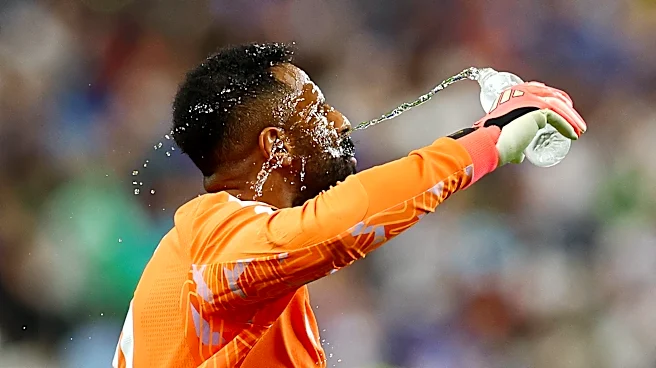
An athlete's body is a high-performance machine that requires the right fuel. This is a great time to ask for sport-specific advice on nutrition and hydration. Ask the provider, “Does my child have any specific nutritional needs based on their sport and energy output?” and “What are the best practices for hydration before, during, and after competition?” The conversation can also touch on the risks of supplements and performance-enhancing substances, reinforcing the message that a balanced diet is the safest and most effective way to fuel performance.