






A Simple Color-Coded Language
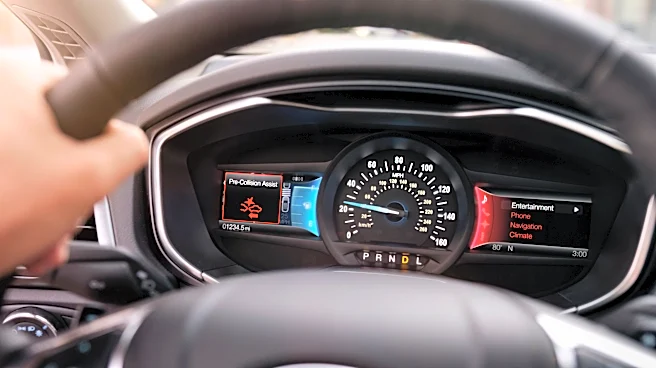
Your car’s dashboard isn’t trying to be cryptic. In general, warning lights follow a universal color code similar to a traffic light, designed to communicate urgency at a glance. Green and blue lights are typically informational, indicating a system like
cruise control or your high beams are active. Yellow or amber lights are cautions. They signal that a system needs attention soon, but you can usually continue driving to your destination or a mechanic. Red lights, however, are your car’s version of a full-blown emergency. When a red light appears, it means you should stop driving as soon as it is safe to do so.
Red Alert: Stop Driving Immediately
A red warning light signifies a potentially serious problem that could lead to severe engine damage or a dangerous failure on the road. The most critical red lights are the engine temperature, oil pressure, and brake system warnings. The engine temperature light, often shaped like a thermometer, means the engine is overheating. Continuing to drive could warp engine components, leading to catastrophic and expensive repairs. Similarly, the oil pressure light, which looks like an old-fashioned oil can, indicates a loss of oil pressure essential for lubricating your engine’s moving parts. Driving even a few more minutes without proper oil pressure can destroy your engine. If either of these lights comes on, pull over safely, turn off the car, and call for a tow.
Yellow Caution: Proceed with Care and a Plan
The most famous yellow light is the dreaded “Check Engine” light. Unlike the red emergencies, a solid yellow light is a heads-up, not a crisis. It means the onboard computer has detected an issue, which could be anything from a loose gas cap to a failing sensor. If the light is solid and the car is driving normally—no strange noises, shaking, or loss of power—you can typically continue your trip. However, don't ignore it indefinitely. Schedule an appointment with a mechanic to diagnose the code. But if that check engine light is blinking, the situation changes. A flashing light indicates a severe engine misfire that can quickly damage your expensive catalytic converter. In this case, you should pull over and get the vehicle towed to prevent a small problem from becoming a four-figure repair bill.
Other Common Lights to Know
Beyond the major warnings, you’ll encounter other common lights. The battery light, for instance, signals a problem with the vehicle's charging system, not necessarily the battery itself. The issue could be a failing alternator, and if it gives out, your car will lose all electrical power. The Tire Pressure Monitoring System (TPMS) light indicates one or more of your tires is significantly underinflated, which is a safety hazard affecting braking and handling. Finally, the ABS light points to a fault in your anti-lock braking system. Your standard brakes will still work, but the anti-lock assistance won't engage in a hard stop. For any of these, it's best to have them checked out promptly.