





Passive Safety: Your Car’s Built-In Bodyguard
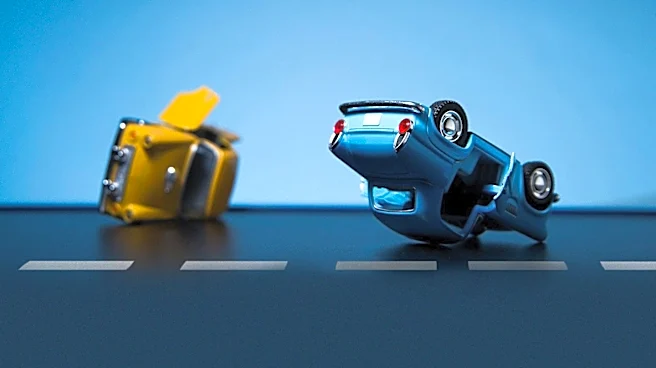
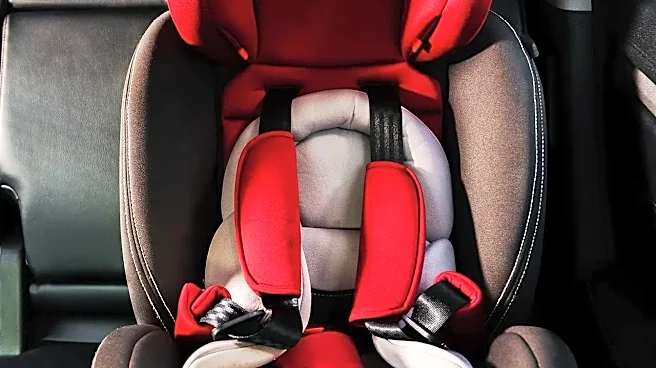
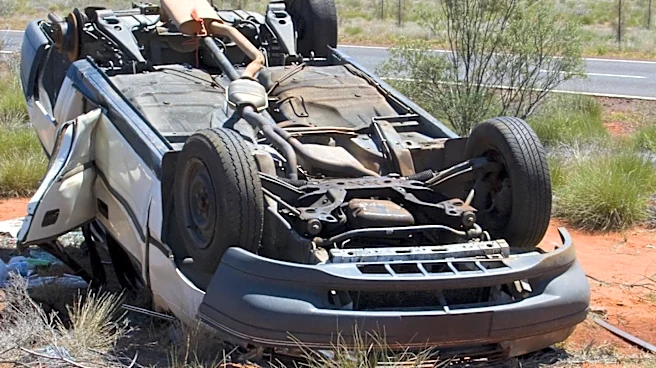
Passive safety features are the strong, silent types. Their job is to protect you during or after a collision has already begun. They work automatically, without any input from the driver, to minimize injury when an impact is unavoidable. Think of these
as your car’s fundamental protective gear. The most well-known examples are seatbelts and airbags, which restrain and cushion occupants. But this category also includes the unseen engineering marvels of your vehicle, like its reinforced safety cage and crumple zones—areas of the car's body specifically designed to deform and absorb the energy of a crash, keeping the force away from the passenger cabin. Laminated glass that resists shattering and head restraints that prevent whiplash are also key players in this group. These features are the bedrock of vehicle safety, waiting quietly to do their job if the worst happens.
Active Safety: The Proactive Co-Pilot
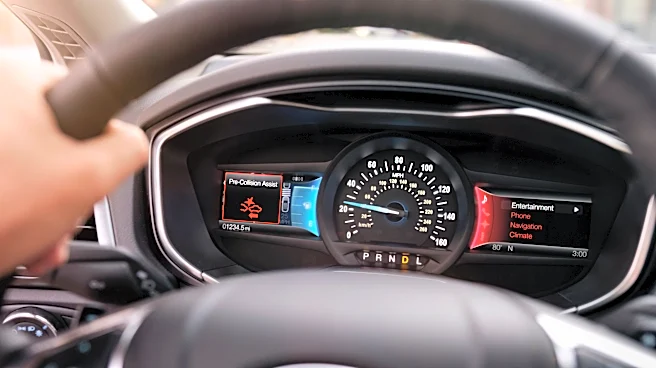
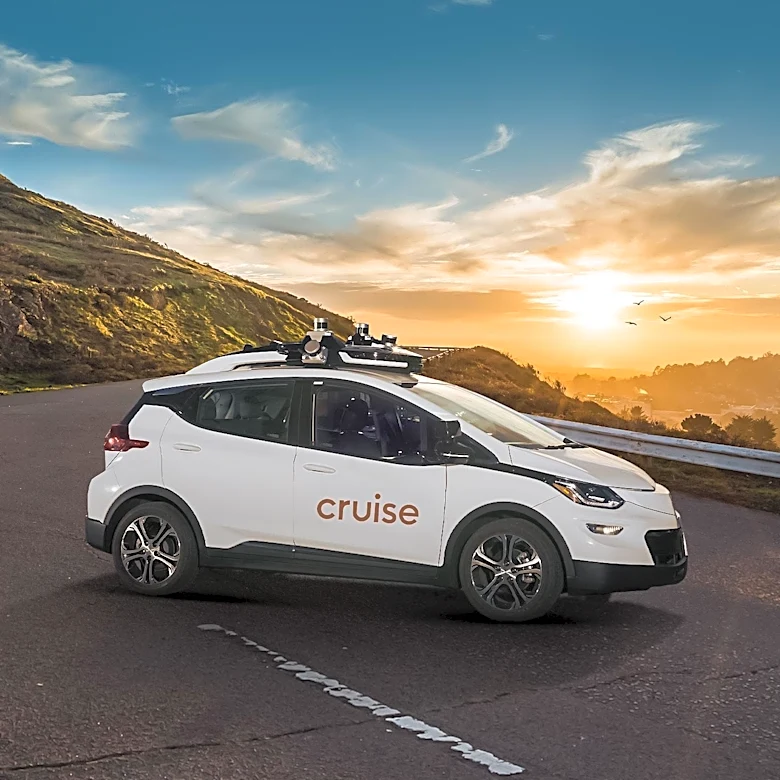
If passive features are for when a crash happens, active safety features are all about preventing the crash in the first place. These are the modern, high-tech systems that act like a vigilant co-pilot, using sensors, cameras, and radar to monitor your surroundings and intervene to help you avoid danger. Unlike passive systems, these features are constantly working while you drive. Common examples include Automatic Emergency Braking (AEB), which can apply the brakes if it detects an imminent collision. Others are Lane Keeping Assist, which provides gentle steering input to stop you from drifting, Blind Spot Monitoring, which alerts you to vehicles you can't see, and Electronic Stability Control (ESC), which helps prevent skids and loss of control. These systems don't take over for the driver, but they provide a crucial layer of support to help you react faster or to step in when a driver fails to react in time.
A System of Safety: How They Team Up
The real magic of modern car safety is how these two systems work together as an integrated ecosystem. It isn't a case of one being more important than the other; they are two sides of the same coin, providing layered protection. Active safety is your first line of defense. Imagine you’re on the highway and the car ahead brakes suddenly. Your Forward Collision Warning (an active feature) will beep or flash an alert. If you don't react quickly enough, Automatic Emergency Braking (active) might engage to slow the car down. If a collision is still unavoidable, that’s when the passive systems leap into action. Your seatbelt pretensioners will tighten to hold you securely, and the airbags will deploy to cushion the impact, all within a vehicle structure designed to absorb the crash forces. Active systems try to stop the accident; passive systems try to make the accident you couldn't avoid survivable.
What This Means for You Behind the Wheel
Understanding this distinction makes you a more informed and safer driver. For one, it helps you know what to expect from your car. The gentle nudge of a Lane Keeping Assist system or a sudden braking assist can be startling if you’re not aware of what the feature does. Knowing how these active systems work allows you to use them as the tools they are. It also helps when you're buying a car. Looking at a vehicle's list of both active and passive features gives you a complete picture of its safety profile. And finally, it reinforces that while technology is an incredible safety net, it doesn't replace an attentive driver. Passive features like seatbelts are only effective if you use them, and active features are there to assist—not to take over. The most important safety component in any car is still the person holding the steering wheel.