




The Simple Plate Formula
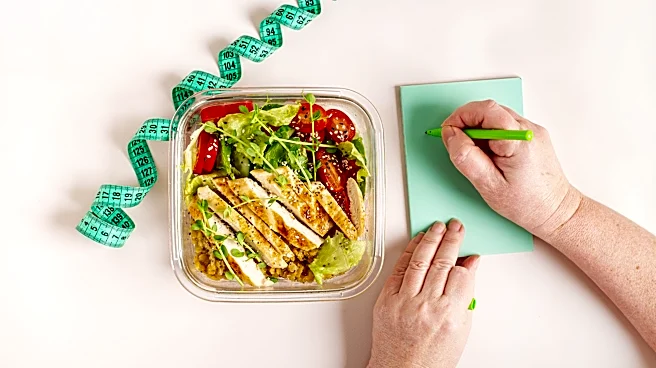
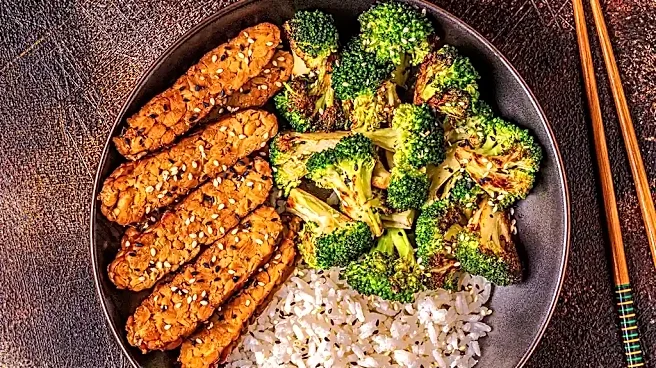
Forget about counting every calorie or macronutrient. The easiest way to build a balanced meal is to visualize your plate. Aim to fill half your plate with fruits and vegetables, a quarter with lean protein, and the final quarter with whole grains or other
high-fiber starches. This simple formula ensures you get a mix of fiber, vitamins, and minerals from produce, satisfying protein to keep you full, and energy-providing carbohydrates. Think of it as a flexible guide, not a rigid rule. Whether your protein is chicken, fish, beans, or tofu, this method works for every meal, taking the guesswork out of healthy eating.
Plan Your Dinners, Not Your Life
The idea of planning 21 distinct meals for the week is what overwhelms most people. Instead of planning everything, focus your energy on just one meal per day, typically dinner. This approach provides structure where it matters most, preventing last-minute takeout decisions. For breakfast and lunch, rely on a handful of simple, repeatable options you enjoy, like oatmeal, yogurt with fruit, salads, or leftovers. By deciding on just five to seven dinners, you dramatically reduce your mental load while still ensuring you have a healthy, satisfying meal to look forward to each evening.
Embrace Thematic Meal Nights
To make dinner planning even easier, assign themes to certain nights of the week. This creates a predictable rhythm and narrows down your choices instantly. Your week could include a Pasta Night, Taco Tuesday, or a breakfast-for-dinner night. This strategy doesn't mean you have to eat the exact same thing every week; it simply provides a category. For example, "Taco Tuesday" could mean traditional tacos one week, burrito bowls the next, and quesadillas the week after. This templated approach eliminates decision fatigue and makes it easy to rotate through family favorites or try new variations of a beloved theme.
Cook Once, Eat Twice (or More)
One of the most effective ways to simplify your week is to make your cooking do double duty. Whenever you prepare a meal, intentionally make a larger batch. For example, if you're roasting a chicken for dinner, cook two. If you're making quinoa or brown rice, prepare a big pot. The leftovers can become the foundation for a completely different meal the next day. That extra roasted chicken can be shredded for tacos or added to a salad for lunch. The leftover rice becomes the base for a quick stir-fry or a hearty grain bowl. This technique saves significant time and ensures you always have healthy components ready to go.
A Short, Smart Prep Session
Weekend meal prep doesn't have to be an all-day affair. A focused one- or two-hour session can set you up for a much smoother week. Instead of cooking full meals, concentrate on “component prep.” This involves preparing individual ingredients that can be combined later. Wash and chop your vegetables, like onions and peppers, so they're ready to be tossed into a pan. Make a batch of a versatile grain. Hard-boil a few eggs for quick snacks or salad toppings. You can also mix a salad dressing or marinate a protein. These small tasks break down the work of cooking, making weeknight dinners come together in minutes rather than feeling like a major project.