




Why Planning Is Your Secret Weapon
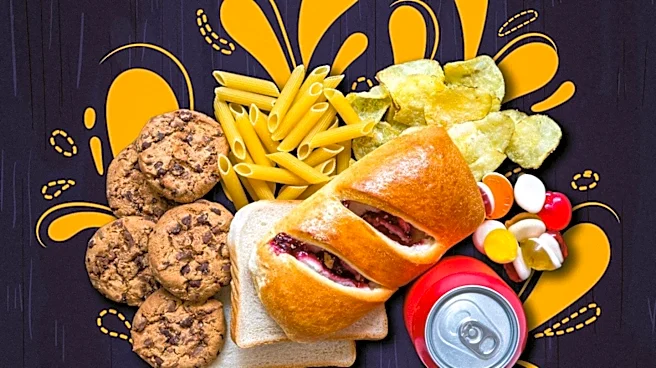
When you’re hungry and unprepared, it’s easy to reach for convenient, processed options that may be high in the saturated and trans fats that can negatively impact cholesterol levels. Meal planning removes the guesswork and stress from your daily food
choices. By deciding your meals in advance, you take control of your diet, ensuring you have delicious, heart-healthy options ready to go. This proactive approach is crucial for consistently choosing foods that support your health goals, turning a daunting dietary shift into a manageable routine.
Stock a Heart-Healthy Kitchen
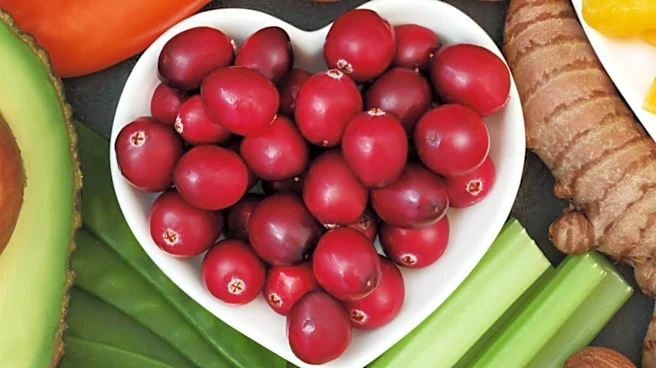
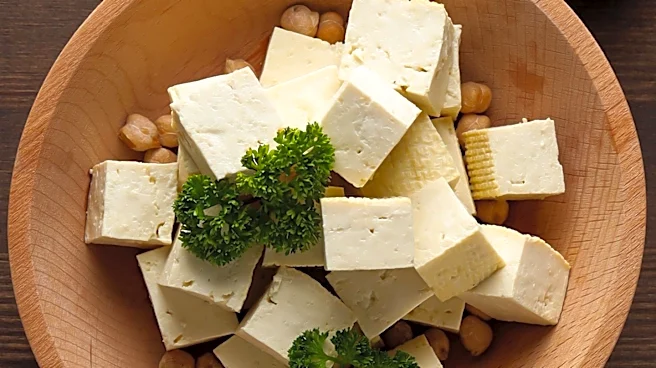
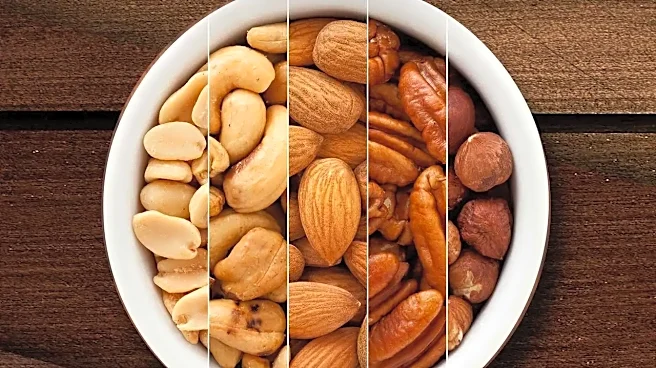
Successful meal planning starts with a well-stocked pantry, fridge, and freezer. Focus on foods known to support healthy cholesterol levels. For soluble fiber, which helps lower LDL (“bad”) cholesterol, stock up on oats, barley, beans, lentils, apples, and Brussels sprouts. For healthy unsaturated fats, keep avocados, nuts, seeds, and olive oil on hand. Lean proteins are also essential; think skinless poultry, fish rich in omega-3s like salmon and mackerel, and plant-based options like tofu and legumes. Having these staples makes it much easier to build your weekly meals.
The Sunday Strategy Session
Dedicate a small chunk of time each week—Sunday is popular, but any day works—to plan your upcoming meals. Start small by planning just dinners, then add lunches and breakfasts as you get comfortable. Browse heart-healthy recipes online or in cookbooks for inspiration. Write down your plan for the week, and from that, create a detailed shopping list. This method not only ensures you buy exactly what you need, reducing food waste and saving money, but it also helps you avoid impulse buys in the snack aisle.
Cook Once, Eat Well All Week
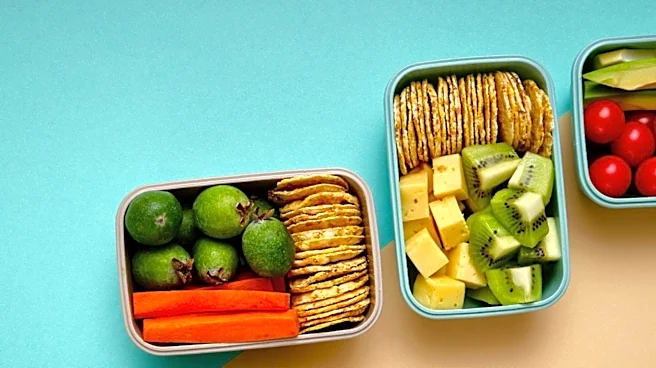
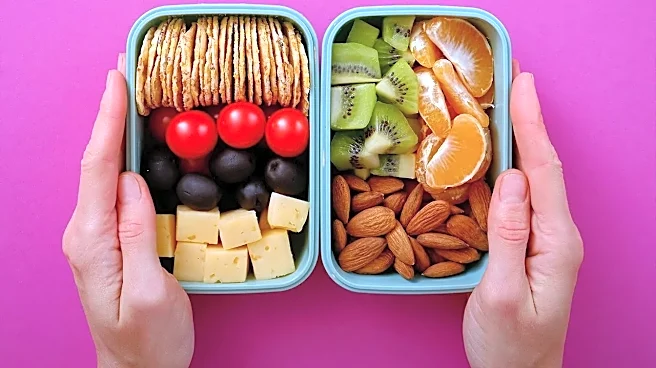
Meal prep is the execution phase of your plan, and it can be as simple or complex as you like. You don't have to cook every meal from scratch in advance. For some, meal prep means simply chopping vegetables, mixing marinades, or cooking a large batch of a whole grain like quinoa or brown rice to use in different dishes throughout the week. Others prefer to cook and portion complete meals, like lentil soup or baked salmon with roasted vegetables, into containers for easy grab-and-go lunches. This prep work is the key to turning your plan into an effortless reality on a busy Tuesday night.
Simple Swaps for Big Cholesterol Wins
A cholesterol-friendly diet doesn't mean giving up flavor; it's about making smart substitutions. As you plan your meals, look for opportunities to make easy, impactful swaps. Use avocado or hummus in place of mayonnaise on a sandwich. Cook with olive oil instead of butter. Instead of processed snack foods, plan for satisfying alternatives like a handful of almonds, an apple with nut butter, or Greek yogurt with berries. These small, consistent changes, made possible by planning ahead, add up to significant benefits for your heart health over time.