
You Live in the Northern Half of the U.S.
Your body naturally produces Vitamin D when your skin is exposed to the sun’s ultraviolet B (UVB) rays. But geography matters. If you live in the northern half of the country, the sun's rays are less direct
for much of the year, especially during the long winters. This significantly reduces your body's ability to synthesize the vitamin, making it difficult to maintain adequate levels from sunlight alone. People in these regions are at a higher risk of deficiency simply due to their location.
You Have a Darker Skin Tone
Melanin, the pigment that determines skin color, acts as a natural sunblock. While this provides protection against skin damage, it also reduces the skin's ability to produce Vitamin D from sunlight. People with darker skin tones require more sun exposure than those with lighter skin to produce the same amount of the vitamin. This puts non-Hispanic Black and Hispanic populations at a statistically higher risk for deficiency.
You're an Older Adult
As we age, our bodies become less efficient at making Vitamin D. The skin's ability to synthesize the vitamin from sun exposure declines, and the kidneys are less effective at converting it into its active form. Older adults, particularly those over 75, are often advised to consider supplements to support bone health, reduce fracture risk, and potentially lower overall mortality risk. The recommended daily intake for adults over 70 is 800 IU, compared to 600 IU for younger adults.
You Follow a Strict Plant-Based Diet
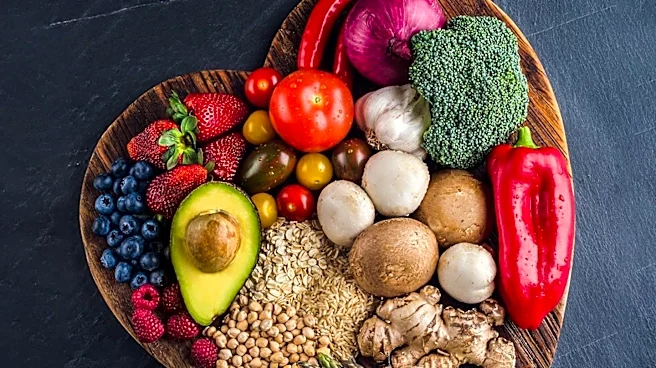
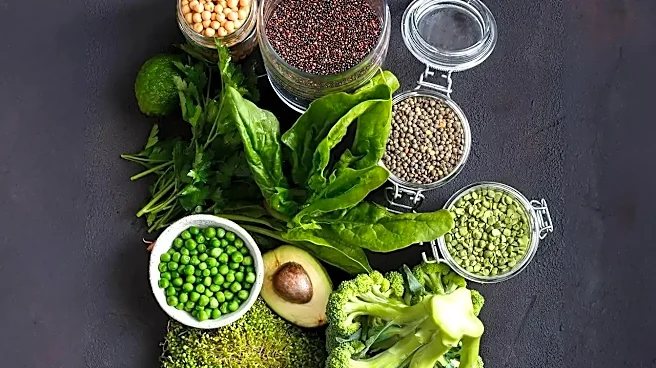
Very few foods are naturally rich in Vitamin D. The best sources are fatty fish like salmon and tuna, fish liver oils, and, to a lesser extent, beef liver and egg yolks. For vegans or those who don't eat fish, getting enough from diet alone is challenging. While some foods like milk, cereals, and orange juice are fortified with Vitamin D, a supplement may be necessary to meet daily needs. Some mushrooms treated with UV light can also provide a plant-based source of the vitamin.
You Have Certain Health Conditions
Some medical issues can interfere with Vitamin D absorption or conversion. Conditions that affect fat absorption, such as Crohn's disease, celiac disease, and ulcerative colitis, can lead to deficiency because Vitamin D is a fat-soluble vitamin. People with a body mass index (BMI) of 30 or higher may also have lower levels of Vitamin D. Additionally, those with kidney or liver disease may have trouble converting the vitamin to its active form in the body.
Is It a Deficiency, and Is It Serious?
Many people with low Vitamin D levels have no obvious symptoms. When they do appear, symptoms can be vague and include fatigue, bone or muscle pain, frequent illness, or mood changes. While self-diagnosing based on risk factors can be tempting, the only way to know for sure is through a blood test ordered by a doctor. It's also important not to overdo it; Vitamin D toxicity, caused by excessively high supplement intake, can lead to a harmful buildup of calcium in the blood, causing nausea, weakness, and kidney problems.