





The Immunity-Crushing Schedule
The classic college motto of “work hard, play hard” comes with a significant biological tax. The cycle of late-night study sessions fueled by caffeine, followed by weekend social events that stretch into the early morning, is a perfect recipe for a weakened
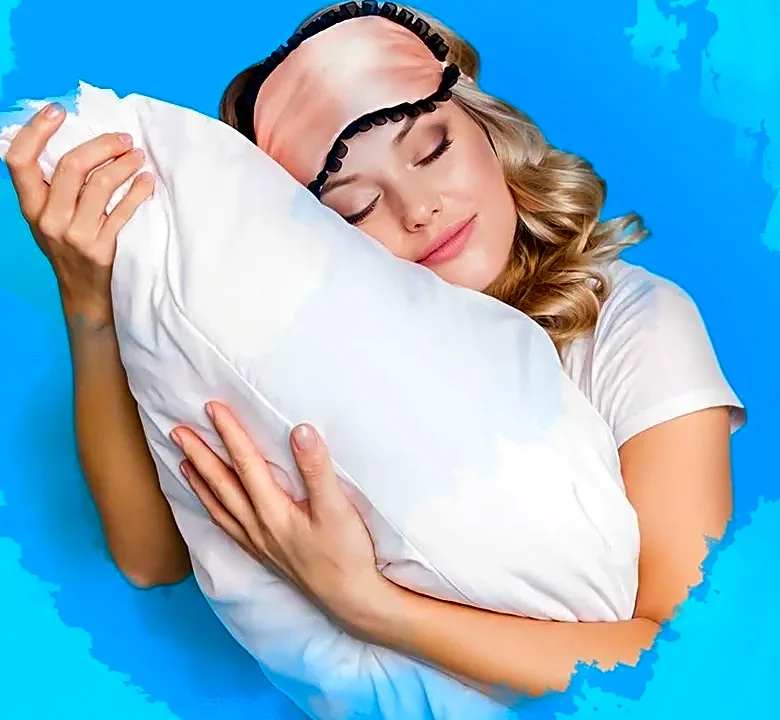
immune system. Sleep deprivation is a major culprit. Research has consistently shown that a lack of adequate sleep impairs immune function by reducing the activity of natural killer cells, which are crucial for fighting off pathogens. Chronic stress from academic pressure elevates cortisol levels, which further suppresses the body's defenses. This combination doesn't just make students more likely to catch a cold or the flu; it creates a state of chronic vulnerability where the body struggles to fight off any infection it encounters. What feels like resilience is often just running on fumes, making students significantly more susceptible to the germs circulating around them.
Social Pressure and Sickness FOMO
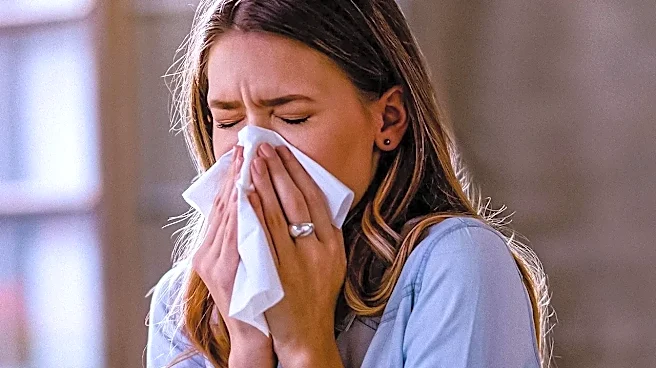
In the world of higher education, the Fear of Missing Out (FOMO) is a powerful motivator that often overrides common sense. Students may feel intense pressure to attend classes because of rigid attendance policies or the fear of falling behind academically. One student noted that the pressure to perform makes them feel like their entire future is at stake, discouraging them from taking a necessary sick day. This extends to social life, where missing a major party or event can feel like a significant social setback. This mindset leads many students to push through symptoms and show up to class, the library, or social gatherings while actively contagious. While they might think they are just dealing with a minor cold, they could be spreading viruses to classmates who may have compromised immune systems or other underlying health conditions. This culture of “powering through” is a major, and often ignored, vector for rapid disease transmission.
The Campus's Hidden Hotspots
Dorm rooms and lecture halls get all the attention, but campuses are filled with other high-traffic, high-touch areas that are less obvious breeding grounds for germs. Dining halls are a prime example. Outbreaks of norovirus, a highly contagious stomach bug, have been linked to campus dining facilities. Transmission can occur through ill food service workers or simply from hundreds of students touching the same serving utensils, salt shakers, and soda fountain levers. Beyond the cafeteria, think about the shared keyboards in the 24-hour computer lab, the equipment in the campus gym, and the door handles to the main library. While universities often have cleaning protocols, the sheer volume of students interacting with these surfaces makes them persistent hotspots for bacteria and viruses. These communal points of contact ensure that a single illness can spread far beyond a single residence hall or friend group.
A Mindset of Invincibility
Many young adults possess a natural, if misguided, sense of invincibility. It’s a psychological phase where the long-term consequences of behavior feel distant and abstract. This can lead students to underestimate their personal risk of getting sick. Studies on risk perception among students show that while they may be aware of health threats in general, this doesn't always translate into proactive behaviors like getting a flu shot, prioritizing sleep, or staying home when ill. Some may downplay symptoms, assuming it's just allergies or exhaustion, while others might simply not want to deal with the hassle of visiting a campus health clinic. This tendency to focus on short-term pleasures and ignore potential health risks means that basic preventive measures are often overlooked until an illness becomes too severe to ignore.
The Steep Learning Curve of Self-Care
For many students, college is the first time they are solely responsible for their own health and well-being. This newfound autonomy comes with a steep learning curve. They may not have the established habits of cooking nutritious meals, instead relying on convenient but less healthy options. They might not know how to navigate the campus health system or when a symptom is serious enough to warrant a doctor's visit. This isn't about a lack of intelligence; it’s about a lack of experience. Simple things like remembering to wash hands frequently, not sharing drinks, and getting enough rest can fall by the wayside amidst the competing demands of academics and social life. This gap in practical self-care knowledge makes it easier for minor health issues to develop and for illnesses to spread unchecked.