



Prioritize Hydrating Heroes
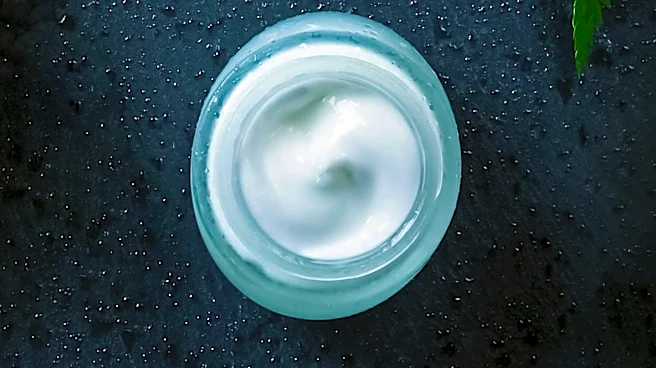
As we age, our skin naturally produces less oil, leading to increased dryness. This is why hydrating ingredients are non-negotiable in makeup for mature skin. Look for a term like “hyaluronic acid” on foundation and concealer labels. This molecule is a moisture
magnet, pulling water into the skin to create a plump, smooth appearance that can minimize the look of fine lines. Glycerin is another fantastic humectant that helps skin retain moisture throughout the day. Formulas with these ingredients are less likely to look cakey or settle into creases, providing a dewy, youthful glow instead.
Seek Out Skincare Superstars
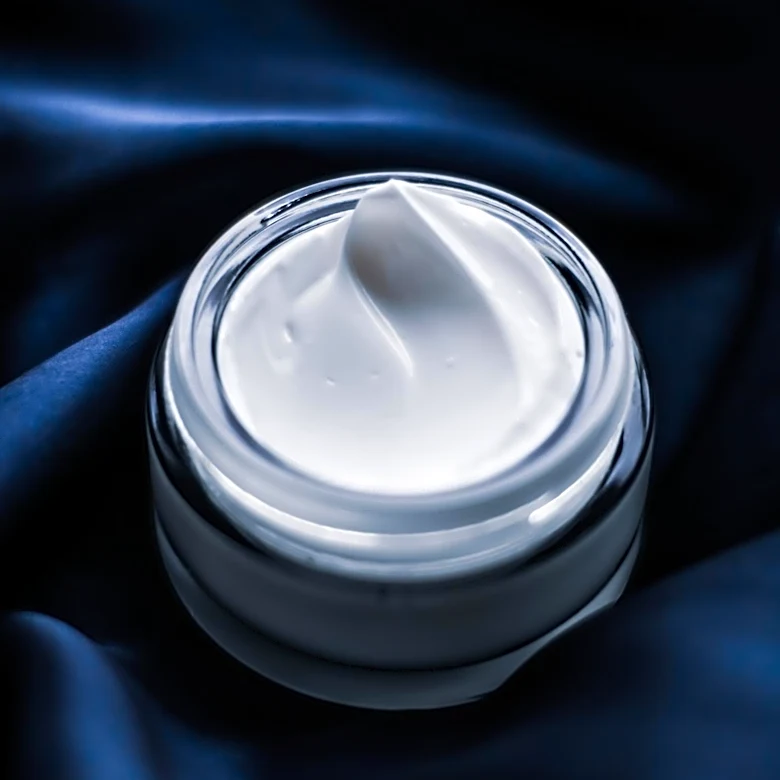
Today's best foundations are often hybrids of makeup and skincare. For mature skin, this is a huge advantage. Scan ingredient lists for peptides, which are known to help promote collagen and firm the skin over time. Niacinamide, a form of vitamin B3, is another powerhouse ingredient to watch for; it helps improve skin elasticity, reduce redness, and even out skin tone. Antioxidants like Vitamin C and Vitamin E are also excellent, as they help protect the skin from environmental damage while brightening the complexion. Think of it as your makeup working double-duty to not just cover, but care for your skin.
Look for a Luminous Finish
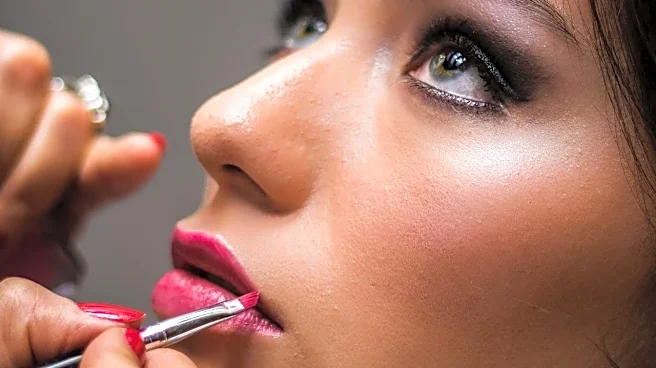
The words used to describe a product's finish are just as important as the ingredients. While 'matte' finishes were once popular, they can make mature skin appear flat, dry, and older. Instead, search for terms like 'luminous,' 'radiant,' 'satin,' or 'natural finish.' These formulations are designed to reflect light subtly, which creates an illusion of vitality and smoothness. They enhance the skin's natural glow rather than masking it. This doesn't mean you want a glittery shimmer, but a gentle radiance that imparts a healthy, 'lit-from-within' look.
Be Cautious with Drying Alcohols
Not all alcohols in cosmetics are bad, but some can be particularly harsh on mature skin. Be wary of products that list high concentrations of simple, drying alcohols like 'SD alcohol,' 'denatured alcohol,' 'ethanol,' or 'isopropyl alcohol.' These are often used to make a product feel lightweight and dry quickly, but they can strip the skin of its natural oils, leading to irritation and emphasizing dryness and fine lines. For skin that's already prone to dryness, avoiding these can make a significant difference in how your makeup looks and feels hours later.
Avoid Heavy Powders and Talc
Powder-heavy products can be the enemy of mature skin. While a light dusting of a finely milled setting powder can be useful, thick, heavy powders—especially those with talc as a primary ingredient—can be problematic. Talc can absorb too much moisture and settle into fine lines and wrinkles, accentuating them and creating a chalky, aged appearance. Instead, consider cream-based blushes, bronzers, and highlighters, which melt into the skin for a more natural finish. If you use powder, look for lightweight formulas and apply them sparingly, focusing only on areas that tend to get shiny.
Check for 'Non-Comedogenic'
This is a key term for anyone, but it's still relevant for mature skin. 'Non-comedogenic' simply means the product is formulated in a way that is less likely to clog your pores. While acne might be less of a concern than in your youth, clogged pores can still lead to bumps, blackheads, and a generally uneven skin texture. Choosing non-comedogenic products ensures your makeup allows your skin to breathe, which is crucial for maintaining clarity and a smooth canvas.