



The Lesson of Color
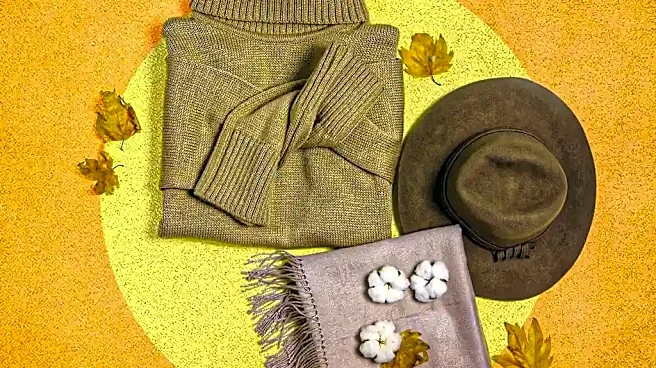
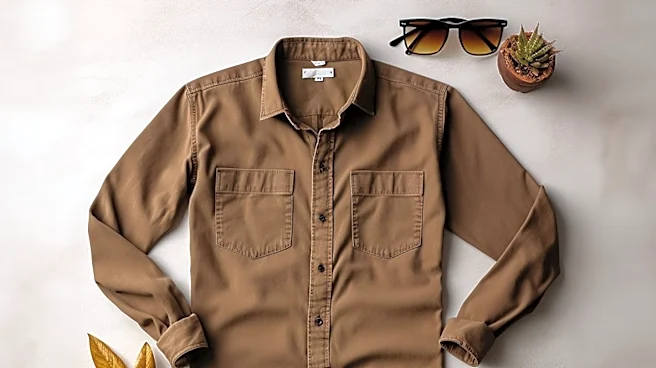
Fall's color palette is more than just orange and brown. The most compelling autumn outfits use color with intention, often building from a sophisticated neutral base. Think of foundational pieces in shades like camel, cream, charcoal, or navy. These
tones provide a calm canvas that allows richer colors to shine without overwhelming the eye. A classic camel coat over an all-black outfit is a perfect example of how a warm neutral can make a simple look feel expensive. From there, you can introduce accent colors that define the season. Instead of bright, primary shades, think of muted, earthy, and warm hues like burgundy, olive green, deep teal, and mustard yellow. A great way to build a colorful yet cohesive look is to layer different tones of the same color family, like a cream sweater with camel trousers and a dark brown bag. This monochromatic approach creates a clean, uninterrupted line that feels incredibly polished.
The Power of Texture
If color sets the mood, texture tells the story. Fall is the ultimate season for tactile fabrics, and mixing them is the secret to a dynamic, visually interesting outfit. The key is contrast. Pair something rugged with something refined, or something chunky with something sleek. Imagine a soft, chunky-knit sweater worn with smooth, faux-leather pants. Or a silky satin blouse layered under a structured wool blazer. Each material highlights the unique quality of the other. Start with a simple foundation, like cotton or denim, and then add layers. A tweed jacket, a corduroy skirt, a cashmere scarf, or a suede bag can all introduce that essential textural element. Don't be afraid to let one texture be the hero; a faux fur jacket, for instance, makes its biggest impact when the rest of the outfit is more understated. The goal is to create depth and a sensory experience that makes an outfit feel thoughtfully composed.
The Science of Balance
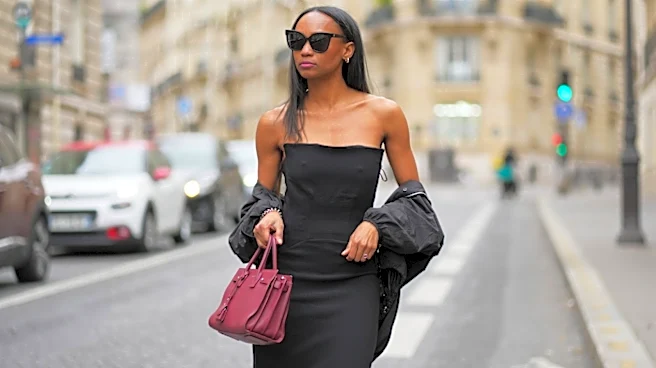
Balance is all about managing proportions to create a flattering and intentional silhouette. An outfit feels 'right' when the shapes and volumes of its pieces work in harmony. The easiest rule of thumb is to balance a voluminous item with something more fitted. For example, if you're wearing an oversized, cozy sweater, pair it with slim-fitting jeans or leggings to avoid being swallowed by fabric. Conversely, if you opt for wide-leg trousers or a flowing A-line skirt, a tucked-in blouse or a fitted top will help define your waist and maintain your shape. Outerwear plays a huge role in this. A long, structured coat can create a clean vertical line that elongates the entire body, while a cropped jacket can help balance out a longer dress or high-waisted pants. Think of it as a conversation between the different pieces in your outfit—each one should complement the other, not compete for attention.
Putting It All Together
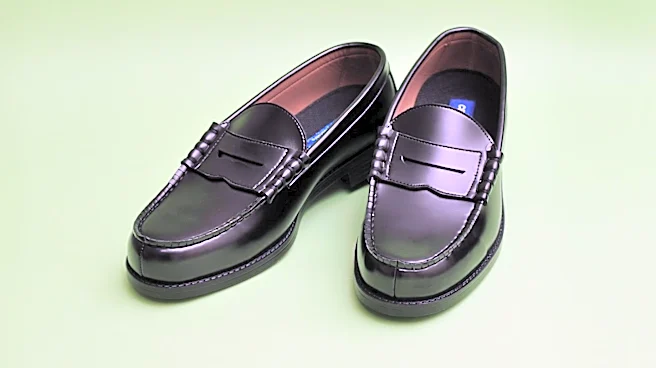
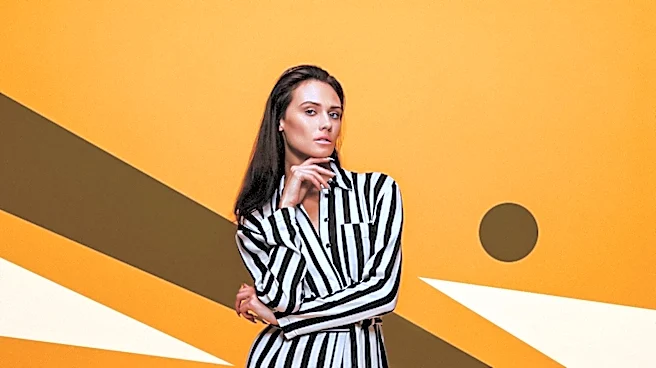
A truly great fall outfit is one where color, texture, and balance work together seamlessly. Let's deconstruct a classic look: a trench coat, a striped sweater, straight-leg jeans, and leather loafers. The balance comes from the structured coat creating a long line over the simple, straight silhouette of the jeans. The color palette is classic and grounded, with the neutral coat and denim providing a base for the simple pattern of the sweater. The texture comes from the interplay of the crisp cotton of the trench, the soft knit of the sweater, the rugged twill of the denim, and the smooth leather of the shoes. Each element does its job without shouting. You don't need a closet full of trendy items to achieve this. By focusing on these three core ideas, you can learn to see your own wardrobe with fresh eyes and build outfits that feel both timeless and deeply personal.