






The Sticker Price Illusion
The greatest weapon in the budget airline's arsenal is the rock-bottom base fare. These carriers have perfected the art of the unbundled service. Their business model is built on offering a basic seat from Point A to Point B at the lowest possible price,
making them seem like an undeniable deal. This attracts travelers who prioritize cost above all else. Major carriers like Delta, American, and United have taken note, offering their own 'basic economy' fares to compete. However, the fundamental difference remains: a budget airline's entire operation is designed around this low-cost, high-volume model, often using secondary, cheaper airports and flying a single type of aircraft to minimize operational expenses.
The World of Ancillary Fees
Here's where the 'value' question gets tricky. That cheap ticket is just your entry fee. On most ultra-low-cost carriers like Frontier or Allegiant, nearly everything else costs extra. Want to bring a carry-on bag? That's a fee. Need to check a suitcase? Fee. Want to choose your seat so you can sit with your family? That's a fee, too. These ancillary charges are the lifeblood of budget airlines and can quickly add up. Some even charge for printing a boarding pass at the airport. Major carriers, while also adding fees, typically include a carry-on bag and a non-alcoholic beverage in their standard economy fares. When comparing, you have to do the full math: add the cost of your bags and desired seat to the budget airline's price to see the real total.
Creature Comforts and Onboard Experience
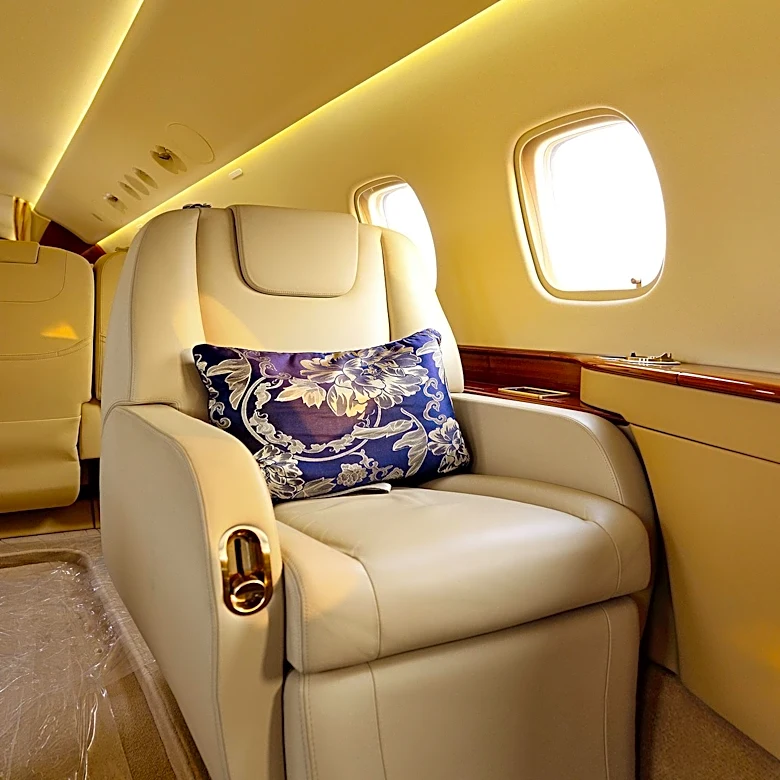
If you're looking for a luxurious journey, a budget airline is probably not your first choice. To maximize the number of passengers, seats are often smaller and offer less legroom. Don't expect free snacks, pillows, or blankets; on many flights, even a bottle of water will cost you. In-flight entertainment is rare, and Wi-Fi, if available, is almost always a paid extra. Major carriers, by contrast, typically provide more legroom, complimentary non-alcoholic drinks and snacks, and often have seatback screens or streaming entertainment options included in the ticket price. For a short one-hour hop, a no-frills seat might be perfectly acceptable. For a cross-country flight, those small comforts can make a significant difference.
Reliability and Customer Service
What happens when things go wrong? This is perhaps the most significant, yet often overlooked, difference. Major airlines operate vast networks with hundreds or thousands of daily flights. If your flight is canceled, they have more resources—more planes, more crews, and agreements with other major airlines—to rebook you. Budget carriers run leaner operations, often with fewer flights per day on any given route. A cancellation could mean waiting a full day or more for the next available flight on that airline. Their customer service is often harder to reach, with a focus on web-based support over phone agents. If your schedule is tight and a delay would be catastrophic, the safety net of a major carrier might be worth the higher price.