





It's More Than Just Sunburn Prevention
The most common reason people skip sunscreen is thinking it's only for sunny beach days. But daily sun protection is about guarding against two types of harmful UV rays: UVB and UVA. UVB rays are the primary cause of sunburn, but UVA rays are the silent
culprits responsible for long-term damage. They penetrate deeper into the skin, breaking down collagen and elastin, the proteins that keep your skin firm and youthful. This process, known as photoaging, leads to premature wrinkles, fine lines, and sagging. Even more, UVA rays can pass through clouds and glass, meaning you're exposed while walking to class on an overcast day or sitting by a window in the library. Making broad-spectrum sunscreen a daily habit is your best defense against this invisible damage.
Your Future Self Will Thank You
Think of daily SPF as one of the best investments you can make in your long-term health and appearance. The consequences of skipping it are cumulative, meaning damage adds up over time. Consistent, unprotected sun exposure is the most preventable risk factor for all types of skin cancer, including melanoma, which is one of the most common cancers diagnosed in young adults. Beyond the serious health risks, daily application also helps prevent cosmetic concerns that can be difficult and expensive to treat later. Sunscreen helps prevent hyperpigmentation, such as sun spots and the darkening of acne scars, leading to a more even skin tone. The five minutes you spend applying sunscreen today can save you from significant stress, cost, and health complications down the road.
Debunking the Most Common SPF Myths
Many students avoid sunscreen because of persistent myths. One is that makeup with SPF is sufficient. While it offers some protection, most people don't apply enough foundation to achieve the advertised SPF level, which is often below the recommended minimum of SPF 30. Another myth is that sunscreen isn't necessary for darker skin tones. While melanin offers some natural protection, it's not enough to prevent sun damage and skin cancer. In fact, skin cancer in people of color is often diagnosed at later, more dangerous stages. Finally, there's the idea that all sunscreens are goopy, greasy, and leave a white residue. Modern formulas have evolved significantly, with lightweight gels, serums, and lotions that absorb quickly and feel comfortable on the skin, even for those with oily or acne-prone types.
How to Make It an Unbreakable Habit
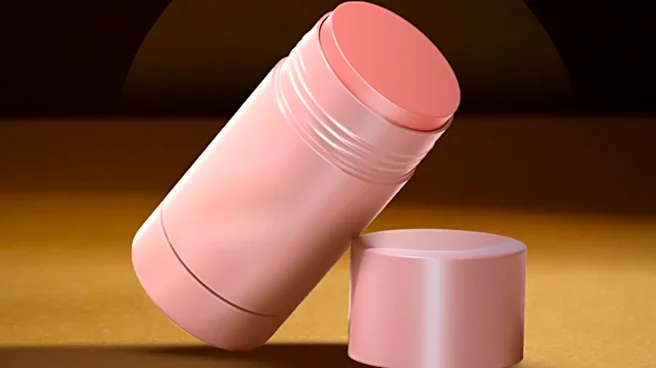
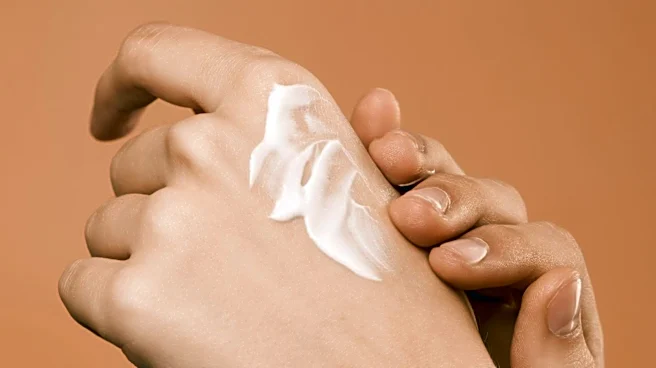
The key to consistency is making it effortless. The best sunscreen is ultimately the one you'll actually use every day. Start by finding a formula you enjoy applying. Then, try "habit stacking": pair applying sunscreen with an existing part of your morning routine, like brushing your teeth or getting dressed. Place the bottle somewhere you can't miss it, such as next to your toothbrush or by your front door. To simplify your routine even further, look for a moisturizer that contains broad-spectrum SPF 30 or higher. Reapplication is also crucial, especially if you're outdoors for long periods or sweating. Keep a sunscreen stick or spray in your backpack for easy touch-ups during the day. These small adjustments can help turn a daily chore into an automatic, indispensable step in your self-care.