




Embrace Simple, Open-Ended Toys
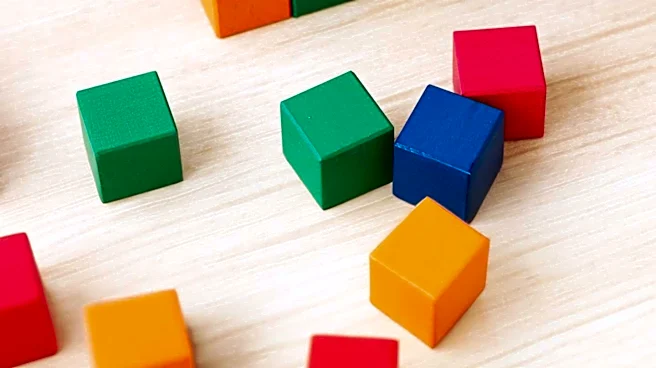
The most powerful toys are often the simplest. Open-ended toys are items that can be used in countless ways, like blocks, magnetic tiles, animal figures, or even cardboard boxes. Unlike a toy with a single function, these materials don't have a “right
way” to be played with, which encourages creativity, problem-solving, and independent play. A pile of blocks can become a tower, a fence for toy animals, or a winding road. This kind of play supports cognitive flexibility and allows children to lead their own imaginative adventures without the prescriptive, often overwhelming, input from electronic toys.
Create Calming Sensory Bins
A sensory bin is a simple container filled with tactile materials that invite exploration. This doesn't require a trip to the craft store. A plastic tub filled with dry rice, pasta, or oats, along with some scoops and cups, can captivate a toddler for a surprisingly long time. The repetitive motion of scooping and pouring is rhythmic and calming. For a different experience, a bin with a small amount of water and some sponges or plastic toys offers a new texture to explore. These activities engage the senses in a focused way, helping toddlers process touch and sound without the chaos of a loud, busy environment.
Introduce Basic Sorting and Stacking
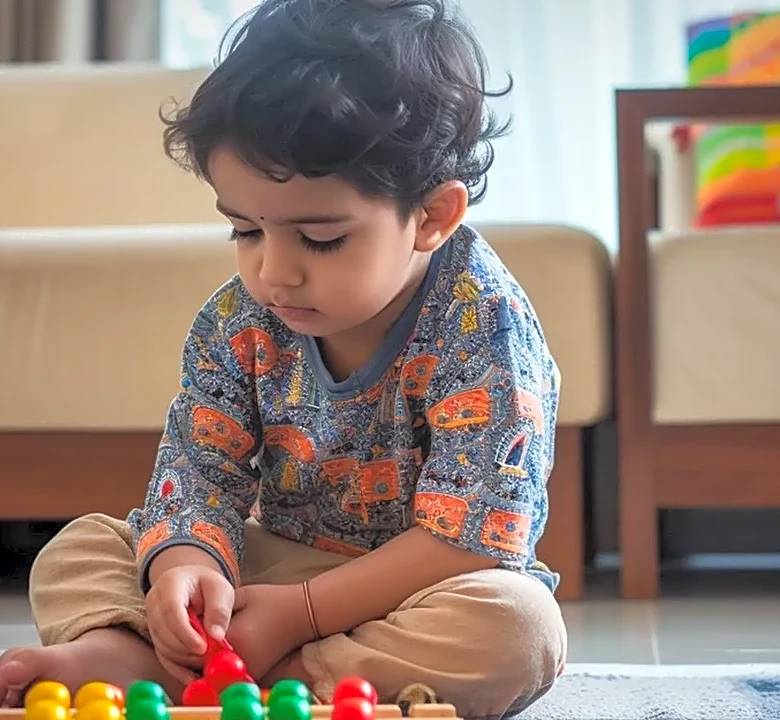
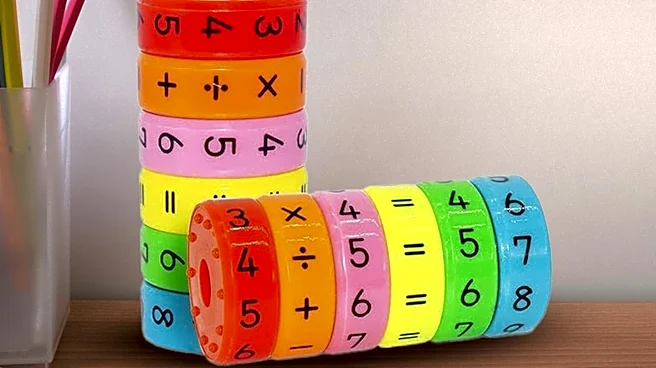
Games that involve sorting, matching, and stacking are fundamental for toddler development. These activities are a form of closed-ended play, meaning they have a specific goal, which can give children a sense of accomplishment. Stacking rings, simple large-piece puzzles, or even sorting colorful pom-poms into a muffin tin helps build fine motor skills, focus, and early math concepts. The key is to keep it simple. Look for puzzles with just a few chunky pieces or blocks that are easy for small hands to grasp. This builds concentration without causing the frustration that can come from overly complex tasks.
Get Moving with Gross Motor Games
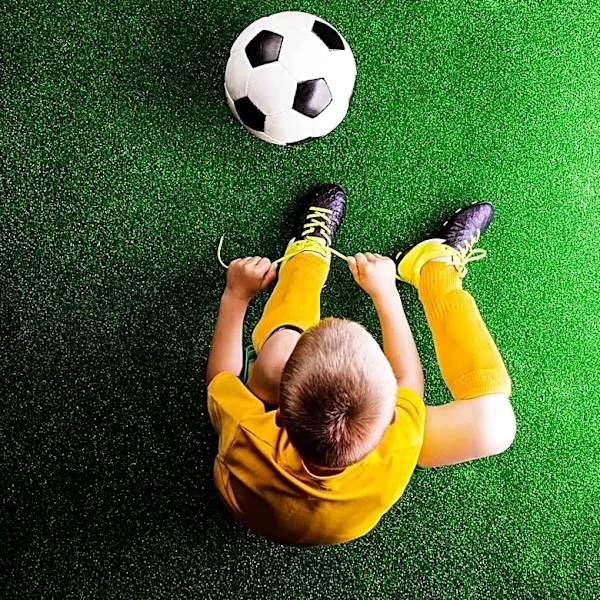
Sometimes the best game doesn't come in a box. Toddlers have a deep physical need to move, and simple gross motor activities are crucial for their development. Games like rolling a soft ball back and forth, playing a slow-motion game of “Red Light, Green Light,” or even just having a freeze dance party can help release energy in a structured way. Building a simple obstacle course out of pillows to crawl over or a painter's tape line on the floor to walk along engages their whole body and helps them develop coordination and balance. This kind of play helps regulate their nervous system, especially when they seem agitated or overstimulated.
Encourage Simple Pretend Play
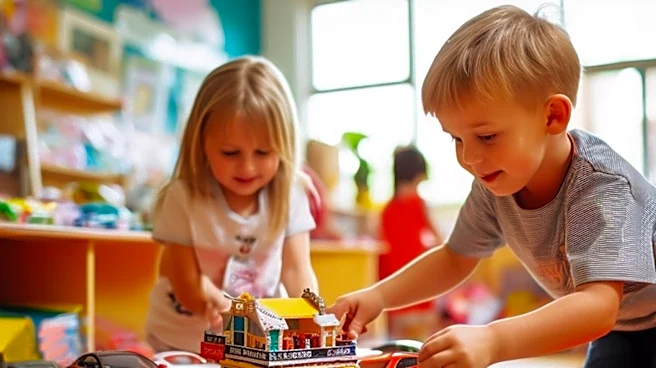
A toddler's imagination is a powerful tool for engagement. Pretend play allows them to process their world, practice social skills, and develop language. You don't need elaborate costumes or playsets. Simple props like a toy telephone, a doll, a few pots and pans, or a play tea set can spark hours of creative scenarios. Even a large cardboard box can become a car, a house, or a spaceship. By participating in their play—being the customer at their restaurant or the patient for the stuffed-animal doctor—you help them build complex social skills like cooperation and negotiation.