
The Real Goal: Progressive Overload
The secret to getting stronger, building muscle, and improving endurance isn't just about showing up; it's about applying the principle of progressive overload. This concept is simple: to keep making progress,
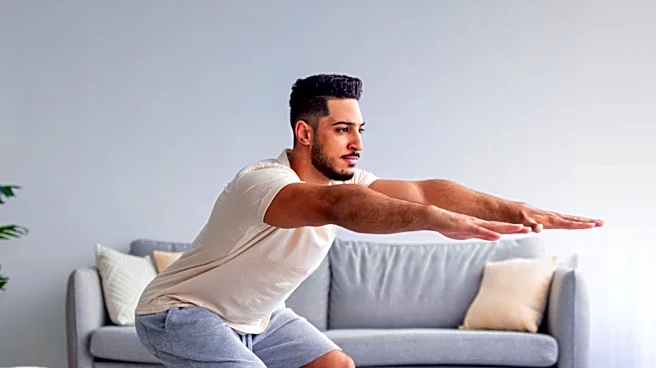
you must gradually increase the demands on your body. If you always lift the same weight for the same number of reps, your muscles adapt and your progress stalls. The "right" equipment, therefore, is any piece of gear that allows you to safely and consistently increase the challenge. This can mean lifting heavier weight, performing more repetitions, increasing the intensity, or improving your form. Your workout's effectiveness hinges on this principle, and different types of equipment offer different paths to achieving it.
Free Weights: The Foundation of Functional Strength
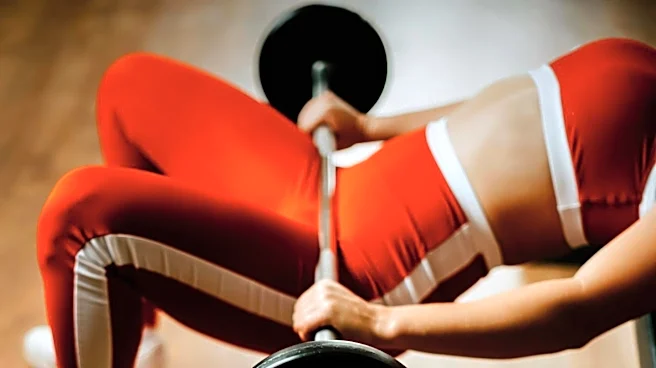
Dumbbells, barbells, and kettlebells are the cornerstones of many fitness programs for a reason. Unlike machines that guide you through a fixed path, free weights force your body to stabilize the load. This engages numerous smaller stabilizer muscles that might otherwise be neglected. The result is more than just stronger primary muscles; it's improved balance, coordination, and functional strength that translates directly to real-world activities. While they have a steeper learning curve and require a focus on proper form to prevent injury, their versatility is unmatched for full-body workouts that build comprehensive, practical strength.
Machines: Guided Strength and Muscle Isolation
Weight machines are often seen as the beginner-friendly option, and for good reason. By providing a fixed path of motion, they reduce the risk of improper technique and allow you to focus on pushing a specific muscle group to fatigue without worrying about balance. This makes them an excellent tool for safely learning movement patterns. But their benefits extend to seasoned lifters, too. Machines are ideal for isolating a specific muscle, which is perfect for targeting a lagging body part or working around an injury. After performing a compound movement like a barbell squat, for example, using a leg extension machine can help you directly target the quadriceps. They provide stability and control, making them a reliable way to apply progressive overload.
Cardio Machines: More Than Just Burning Calories
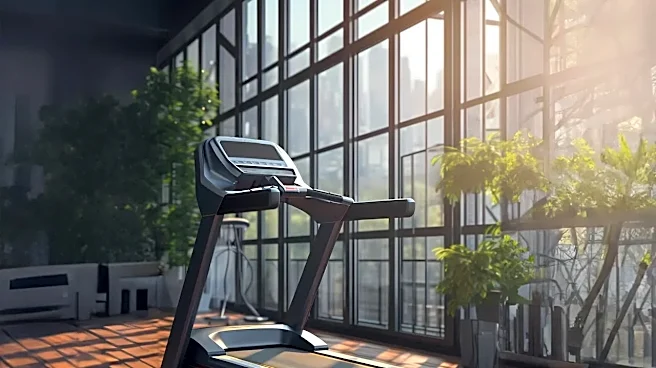
The cardio section isn't just a place to warm up. Each machine offers a unique set of benefits for heart health and endurance. Treadmills are fantastic for high-impact running or walking on an incline, which is great for calorie burn and simulating outdoor hills. Ellipticals provide a low-impact, full-body workout that's easier on the joints. Rowing machines are one of the most effective tools for a total-body cardiovascular workout, engaging the legs, core, and upper body in a single, fluid motion. Choosing the right machine depends on your goals, whether it's maximizing calorie burn, protecting your joints, or building all-around endurance.
Bands and Cables: The Versatility Champions
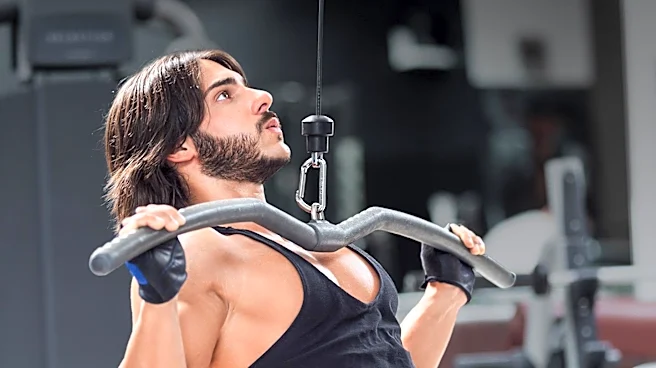
Resistance bands and cable machines offer a different kind of challenge: constant tension. Unlike free weights, where the resistance can vary depending on the angle of the lift, bands and cables keep your muscles engaged through the entire range of motion. This makes them excellent for improving muscle control and stability. Cable machines allow you to target muscles from virtually any angle, while portable resistance bands are perfect for mimicking athletic movements, engaging the core, and adding a new stimulus to your workouts. Using both can help you break through plateaus and develop a more well-rounded, resilient physique.