







Myth: You Have to Go to New England
New England’s fall displays are legendary for a reason, but it is far from the only show in the country. Believing you have to visit Vermont or New Hampshire means missing out on equally spectacular, and often less crowded, destinations. The Blue Ridge
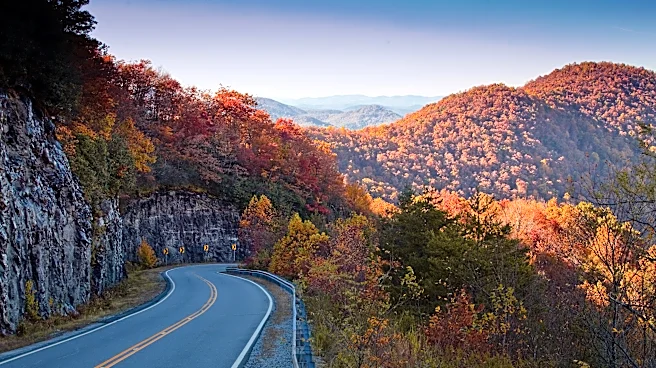
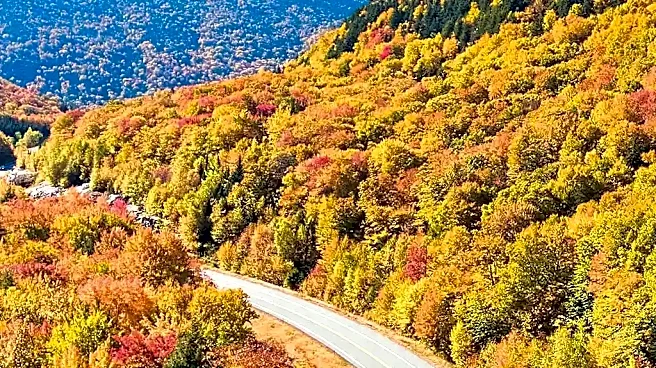
Parkway, stretching 469 miles through Virginia and North Carolina, offers one of the longest and most diverse foliage seasons in the nation. In the Midwest, Michigan’s Upper Peninsula provides a rugged backdrop of waterfalls and shoreline for its vibrant maples and oaks. Out west, the aspen groves in Colorado and Utah turn entire mountainsides a shimmering gold. Destinations like the Ozarks in Arkansas, the Columbia River Gorge in Oregon, and even the vineyards of Napa Valley in California offer their own unique and breathtaking autumn palettes. Broadening your map opens up a world of color without the concentrated crowds of the Northeast.
Myth: Peak Color Is a Short, Unpredictable Window
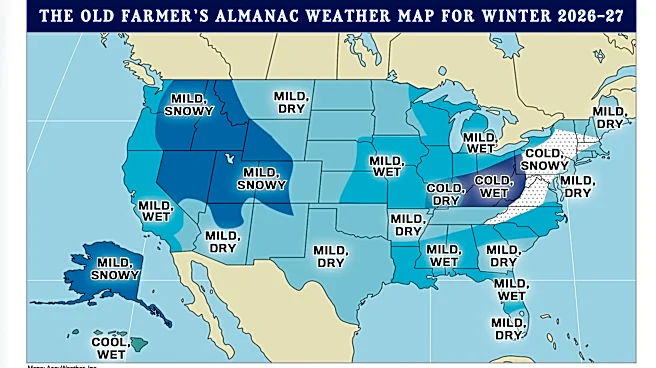
Many travelers stress about timing their trip to a single “peak” weekend, which can be a recipe for disappointment. The reality is that peak foliage is more like a rolling season than a fixed date. Color change is driven by elevation and latitude, typically starting in northern states and at higher altitudes in late September and gradually moving south through October and into November. This progression means you can often chase the color. If you arrive somewhere and find the leaves are past their prime, driving to a lower elevation can reveal a forest that’s just reaching its peak. Foliage prediction maps, updated weekly by outlets like the Farmer's Almanac, can provide real-time guidance, allowing for flexible planning. The key is to see the season as a gradient, not a single snapshot.
Myth: You Can Just Wing It and Be Spontaneous
While the idea of a spontaneous autumn drive is romantic, it’s often impractical in popular foliage destinations. Fall is a major travel season, and accommodations in well-known areas like Stowe, Vermont, or Asheville, North Carolina, can be booked solid months in advance, especially on weekends. Even just showing up for dinner without a reservation in a bustling leaf-peeping town can lead to long waits. The most famous routes, like the Kancamagus Highway in New Hampshire, can become choked with traffic, turning a scenic drive into a slow crawl. A better approach is planned spontaneity: book your lodging in a central location well ahead of time, but leave your daily driving routes flexible. This allows you to explore less-traveled side roads where the real magic often happens.
Myth: The Most Famous Scenic Drive Is Always the Best
Highways with names like “America’s Favorite Drive” are famous for a reason, but they also attract the biggest crowds. On a peak fall weekend, you might spend more time looking at brake lights than brilliant leaves. Often, the most rewarding experiences are found on the back roads. These less-traveled routes offer a more intimate and peaceful viewing experience. Local tourism websites and visitor centers are great resources for discovering hidden-gem drives that run parallel to the main arteries. Furthermore, the best way to experience the foliage is often to get out of the car entirely. Hiking a trail, even for just a short distance, provides a completely different perspective, immersing you in the sights, sounds, and smells of the season in a way a car window never can.
Myth: The Trip Is Only About Seeing the Leaves
Focusing solely on the color of the leaves is like going to a concert and only listening for the guitar solos. The best fall trips are about the entire seasonal experience. A great foliage adventure weaves in the local culture that comes alive in autumn. This could mean stopping at a roadside farm stand for fresh apple cider donuts, visiting a local winery during harvest season, or timing your trip to coincide with a small town’s fall festival. In places like Colorado, the foliage season overlaps with the elk rut, adding the dramatic sound of bugling males to the scenery. In the Blue Ridge Mountains, it’s a chance to explore Appalachian crafts and music. By building your itinerary around more than just leaf-peeping, you create a richer, more memorable adventure that isn’t entirely dependent on catching the perfect peak color.