




Overlooking Hidden Sugars
You may be vigilant about cutting back on fatty foods, but sugar can be just as problematic for cholesterol. When you consume too much added sugar, your liver goes into overdrive, producing more LDL (“bad”) cholesterol and triglycerides, a type of fat that
circulates in your blood. This process also lowers your HDL (“good”) cholesterol, the kind that helps clear out the bad stuff. These sugars aren't just in desserts and sodas; they hide in processed foods like pasta sauces, breakfast cereals, and even seemingly healthy items like granola bars and yogurt.
Fearing All Fats
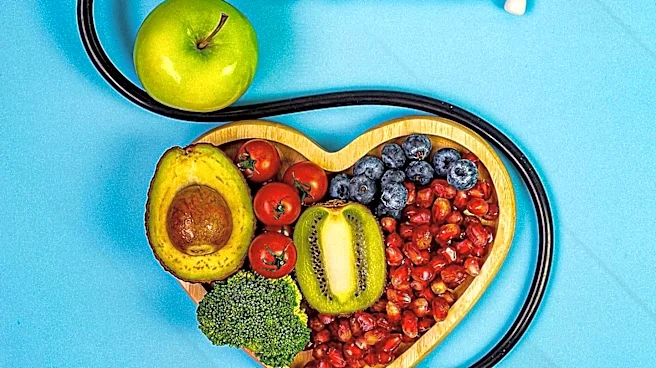
The low-fat craze of decades past left a lasting but misleading impression. Not all fats are created equal. In fact, your body needs healthy fats to function properly. The key is choosing the right kind. While saturated fats, found in red meat and full-fat dairy, can raise your LDL cholesterol, unsaturated fats do the opposite. Monounsaturated and polyunsaturated fats—found in avocados, nuts, seeds, and olive oil—can help lower LDL levels and support heart health. Swapping butter for olive oil or eating a handful of almonds instead of a processed snack is a step in the right direction.
Ignoring Soluble Fiber
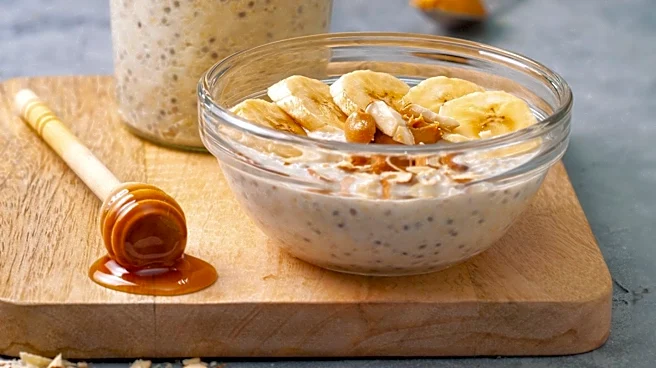
It’s not the most glamorous nutrient, but soluble fiber is a cholesterol-lowering superstar. It dissolves in water to form a gel-like substance in your digestive system. This gel acts like a sponge, trapping fats and cholesterol and preventing their absorption into your bloodstream. Eating just 5 to 10 grams of soluble fiber a day can significantly lower your LDL cholesterol. Excellent sources include oats, barley, beans, lentils, apples, and citrus fruits. Simply starting your day with a bowl of oatmeal or adding beans to your salad can make a big difference.
Choosing the Wrong 'Healthy' Snacks
Many foods marketed as “healthy” or “low-cholesterol” can be deceptive. A granola bar might sound like a better choice than a cookie, but it could be loaded with sugar and saturated fat from coconut oil. Similarly, many processed foods—from frozen meals to crackers—are filled with refined grains, sodium, and artificial ingredients that can contribute to high cholesterol indirectly by causing weight gain and inflammation. Always read the full nutrition label, paying attention to added sugars, saturated fat content, and the ingredient list, not just the marketing claims on the front of the box.
Forgetting About Liquid Calories
It's easy to forget that what you drink counts, too. Sugar-sweetened beverages like sodas, sports drinks, and many fancy coffee creations are major sources of added sugar that can elevate triglycerides and lower good cholesterol. Some coffee preparation methods, like French press or Turkish coffee, allow a compound called cafestol to pass into your cup, which can raise LDL levels. And while some alcoholic beverages in moderation might not be harmful, excess alcohol can also raise triglyceride levels. Water, unsweetened tea, and filtered coffee are generally your safest bets.
Focusing Only on Red Meat
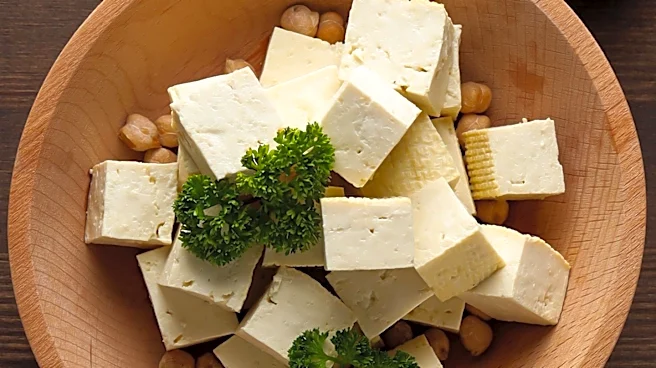
Cutting back on red meat is a common and effective strategy for managing cholesterol due to its high saturated fat content. However, it's not the only culprit. Processed meats like bacon, sausage, and deli meats are often even higher in saturated fat and sodium, both of which are detrimental to heart health. Even poultry can be a problem if you're eating it with the skin on or having it deep-fried. A truly heart-healthy approach involves choosing lean proteins, such as skinless chicken, fish, and plant-based options like beans and tofu.