







Embrace the Power of Familiarity
A travel day, with its new sights, sounds, and disrupted routines, is not the ideal time to introduce your child to quinoa salad or artisanal olives. When it comes to travel food, predictability is your best friend. Stick to the tried-and-true favorites
you know they'll eat. Packing familiar items provides a sense of comfort and control for kids in an otherwise unpredictable environment. A picky eater is even more likely to refuse new foods when tired or overstimulated. By packing their go-to snacks, you guarantee they'll have something they are happy to eat, sidestepping potential mealtime battles and ensuring they stay fueled and content.
Curate a Balanced Bento Box
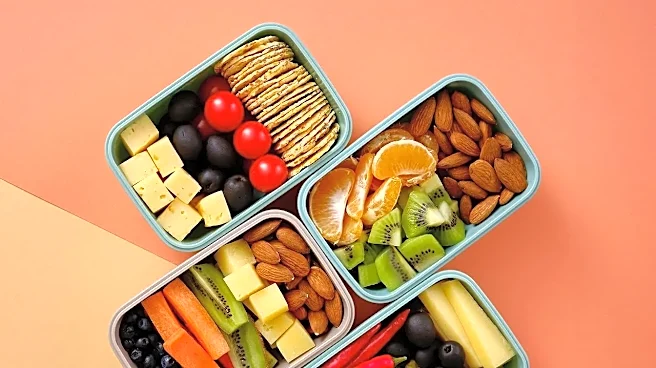
The secret to satisfying travel snacks is variety and balance. A bento-style box with multiple compartments is the perfect tool, turning snack time into a fun, pick-and-choose activity. Aim to fill the compartments with a mix of food groups to ensure steady energy. Include a protein like cheese cubes, hard-boiled eggs, or deli meat roll-ups. Add a healthy carbohydrate such as whole-grain crackers, mini bagels, or pretzels. Don't forget fruits and vegetables; blueberries, grape tomatoes, and cucumber slices are great because they aren't overly messy. Finally, including a small, fun treat—like a few animal crackers or a single cookie—can be a wonderful morale booster.
Prioritize Cleanliness and Convenience
On a plane or in the back of a car, mess-containment is crucial. Choose your snacks and packaging with a low-mess strategy in mind. Opt for squeeze pouches for applesauce or yogurt instead of cups that require spoons. Think mini muffins over crumbly granola bars. Dried fruit, like mango slices or raisins, is less sticky than its fresh counterparts. For road trips, snacks that come in crush-proof canisters, like Pringles-style chips, are a smart choice. Always pack a dedicated “clean-up kit” that is easily accessible. This should include a generous supply of wet wipes, napkins, and an empty plastic bag to serve as a designated trash receptacle.
Rethink Your Drink Strategy
Hydration is just as important as food, but sugary juices and sodas can lead to energy spikes followed by unpleasant crashes. Water is always the best choice. For air travel, bring empty, reusable water bottles for each family member and fill them up at a water fountain after you pass through security. For road trips, consider freezing half-filled water bottles overnight. They will act as ice packs in your cooler in the morning and provide cold water to drink as they melt throughout the day. This saves space and serves a dual purpose, keeping both your drinks and your perishable snacks cool.
Plan for Actual Meal Times
Snacks are great for bridging the gaps, but travel delays, long stretches between rest stops, and limited kid-friendly restaurant options mean you should also plan for actual meals. Having a substantial option on hand can be a lifesaver. Simple sandwiches with fillings that won't get soggy, such as nut butter and honey, are a classic for a reason. Wraps with turkey and cream cheese or hummus and shredded carrots are another excellent, self-contained meal. For something different, a cold pasta salad with cheese and veggies or homemade mini deep-dish pizzas can feel like a special treat that holds up well for several hours without refrigeration.
Use Food as a Travel Tool
Think of your travel snacks as more than just sustenance; they are a valuable tool in your parenting arsenal. A well-timed snack can be the perfect distraction to get through a long security line or a traffic jam. Crunchy foods like veggie straws or rice cakes can even help little ears adjust to pressure changes during takeoff and landing. You can also create positive associations with travel by packing one or two "special" treats that your kids only get on trips. This small novelty can become a cherished part of your family's travel tradition, giving them something to look forward to and creating happy memories along the way.