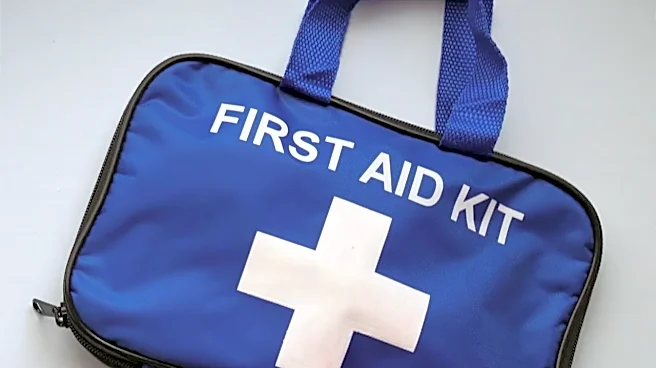









Personal Medications and Key Documents
Before you pack anything else, gather your personal essentials. Health authorities like the CDC emphasize packing any prescription medications you take regularly. Bring enough for your entire trip, plus a few extra days' supply in case of travel delays.
It's wise to keep these in their original, clearly labeled containers. If you have a chronic condition like a severe allergy, consider wearing a medical alert bracelet and carrying an epinephrine auto-injector as prescribed by your doctor. It's also smart to have a list of your medications, including their generic names, and the contact information for your primary care physician.
For Pain, Fever, and Aches
Aches and pains can arise from a long flight, an ambitious hike, or an unexpected fever. Experts universally recommend including a general pain reliever in your kit. Pack a travel-sized bottle of acetaminophen or ibuprofen. These can effectively manage headaches, muscle sprains, and fevers, making them one of the most versatile items you can carry. If you're traveling with children, be sure to include a children's formula and the appropriate dosing syringe or cup.
For Stomach and Digestive Issues
Trying new foods is a highlight of travel, but it can sometimes lead to an upset stomach. To be prepared, health experts suggest packing medications for common digestive complaints. This includes an antacid for indigestion or heartburn. An anti-diarrheal medication is also a must-have for many travelers. Additionally, consider packing anti-nausea or motion sickness medication, especially if you'll be traveling by car, boat, or plane.
For Cuts, Scrapes, and Blisters
Minor injuries are a common travel nuisance, whether from a fall on a cobblestone street or blisters from new walking shoes. Your kit should contain items for basic wound care. Start with antiseptic wipes to clean the area. Include an assortment of adhesive bandages in various sizes for covering minor cuts. For larger scrapes, sterile gauze pads and adhesive tape are essential. Many experts also suggest adding antibiotic ointment to prevent infection, as well as moleskin or specialized blister bandages to protect your feet during long days of exploring.
For Allergies, Itches, and Rashes
New environments can expose you to different pollens, plants, or insects. Packing an antihistamine can provide relief from seasonal allergies, hives, or itchy eyes. For skin irritations, such as insect bites or minor rashes, a small tube of hydrocortisone cream or calamine lotion is highly recommended by medical professionals. These can quickly soothe itching and reduce inflammation, helping you get back to enjoying your trip without discomfort.
Essential Tools and Supplies
A few key tools can make all the difference in an emergency. A good pair of tweezers is invaluable for removing splinters or ticks. Small, rounded-tip scissors can be used to cut gauze or tape, though you should pack them in checked luggage if flying. Other useful items include disposable gloves to wear when treating a wound, a digital thermometer, and an instant cold pack for sprains or bruises. Finally, don't forget hand sanitizer with at least 60% alcohol to clean your hands when soap and water aren't available.