


The Case for Cream Products
Makeup artists often lean heavily on cream formulas for mature skin, and for good reason. As skin ages, it tends to lose moisture and elasticity, leading to dryness and fine lines. Cream products—from foundation and concealer to blush and bronzer—are
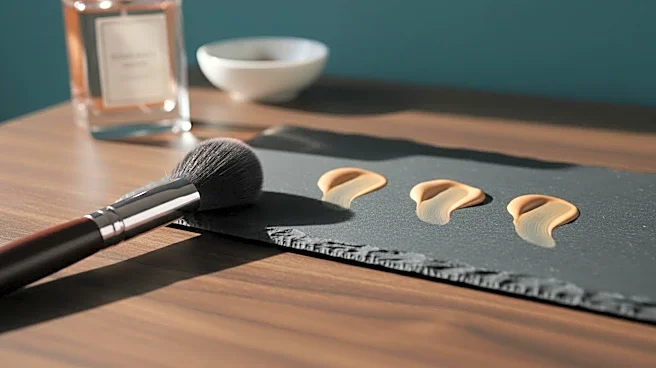
typically formulated with emollients and hydrating ingredients. These formulas don't just add color; they add moisture and flexibility. Instead of sitting on top of the skin like a mask, creams melt in, creating a finish that looks more like real skin. This dewy, radiant quality helps to reflect light, which gives the illusion of a plumper, smoother complexion. Creams are also more forgiving on texture, as they move with your facial expressions rather than cracking or creasing.
The Trouble with Powder
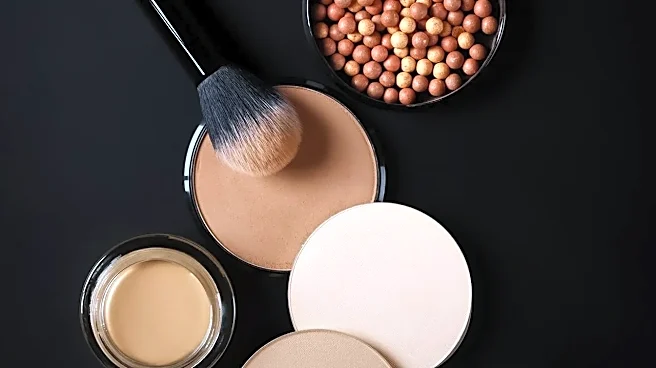
Powder has a reputation for being the enemy of mature skin because it can do exactly what you want to avoid: absorb moisture, appear cakey, and settle into every fine line and wrinkle. This is especially true of heavy, matte powders applied with a heavy hand. When skin is already on the dry side, a layer of powder can make it look flat and lifeless, emphasizing any texture or dry patches. This is why many people find that their makeup looks great in the morning but seems to age them by midday—the powder has absorbed all the oil and moisture, leaving behind a dry, textured finish.
The Right Way to Use Powder
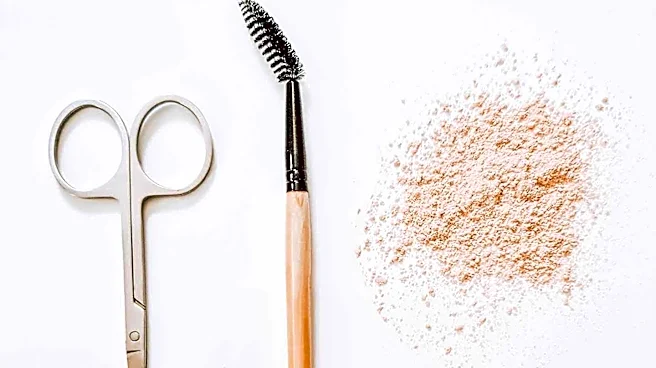
Despite its potential pitfalls, powder isn't a total write-off. In fact, used strategically, it can be an essential tool for longevity and a polished finish. The secret is to shift from an all-over dusting to a targeted application. Modern powders are often milled to be incredibly fine and lightweight, designed to set makeup without adding weight or texture. Focus application only on areas that tend to get shiny, like the T-zone (forehead, nose, and chin). Using a small, fluffy brush instead of a large puff allows for precise placement. Some makeup artists even recommend pressing a small amount of loose powder into the skin with a damp sponge, which helps to meld it with your foundation for a seamless, non-cakey look.
Application Makes All the Difference
The debate between cream and powder often overlooks the most critical factor: technique. For cream products, warmth is key. Using your fingers to apply foundation or blush helps the product melt into the skin for a seamless blend. A damp makeup sponge is also excellent for pressing cream or liquid foundation into the skin to get a sheer, natural finish. For powders, the motto is "less is more." After dipping your brush into the powder, always tap off the excess until the brush looks almost clean. Then, lightly sweep or press it onto the necessary areas. This prevents the product from building up and looking heavy. If you do go overboard, a hydrating setting spray can instantly melt the powder into the skin and bring back a dewy glow.
The Hybrid Approach: Getting the Best of Both
Ultimately, the most modern and effective approach for mature skin isn't choosing one over the other but using both in harmony. Start with cream products to build a hydrated, radiant base. Use a creamy foundation for coverage, a cream blush for a natural flush, and a cream bronzer for soft sculpting. Once your creams are in place, switch to a lightweight powder to strategically set the areas that need it most. This could mean a light dusting on your T-zone to control oil or a tiny amount under the eyes to keep concealer from creasing. This hybrid technique gives you the dewy, skin-like finish of creams with the long-lasting power of powders.