


Start With the Source
Before you zoom in on pixels or analyze sentence structure, take a step back and ask the most important question: who published this? This is the core of the SIFT method, which stands for Stop, Investigate the source, Find better coverage, and Trace claims
to their original context. If a shocking photo or outrageous story comes from an account you've never heard of with no history, be skeptical. Reputable news organizations and established creators have a track record to protect. Anonymous meme accounts and brand-new websites do not. A reverse image search can also help trace an image's history. If a photo claiming to be from a breaking news event has no footprint on trusted news outlets, that's a major red flag. This single habit—vetting the source before you share—is your first and best line of defense.
Decoding AI-Generated Images
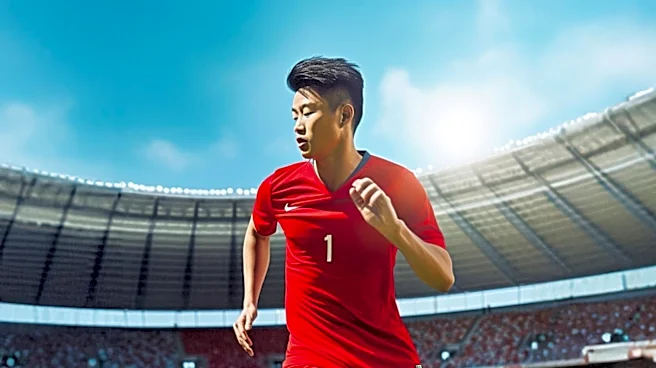
AI images have improved dramatically, but they still make consistent mistakes. While the old trick of looking for six-fingered hands is less reliable now, you should still pay close attention to them. Hands might have knuckles that bend the wrong way, or fingers that seem to fuse together. Look for other common giveaways. Text on signs or clothing is often a garbled mess of letters that don't form real words. Check for consistency in the background; you might see impossible geometry, like railings that don't connect or blurry crowds where there should be detail. Reflections in mirrors or sunglasses that don't match the subject are another tell. Finally, skin can often appear too smooth and perfect, lacking the natural pores and minor imperfections of a real photo.
Identifying AI-Generated Text
AI-written text can be tricky to spot because it's often grammatically perfect. The giveaway is usually its lack of soul. AI-generated articles can feel generic, repetitive, and devoid of a distinct human voice. Look for repeated sentence structures and awkward transitions between topics. The tone might be overly formal and polite, even on casual subjects. While AI models have gotten better, they sometimes still make factual errors about events that happened after their last major training update. You might also notice a lack of personal anecdotes, specific emotional details, or a unique point of view. The writing is often a summary of existing information rather than a fresh perspective. If it reads like a perfectly written but ultimately hollow school report, it might be AI.
Listening for AI Audio and Video
Deepfakes, which are AI-generated audio and video, are becoming more sophisticated, but there are still clues for the careful observer. In videos, watch for unnatural movements or a lack of normal blinking. The lip-syncing might be slightly off from the audio, or the person's face might appear too smooth and unblemished, almost like a digital mask. Inconsistent lighting or shadows that change strangely within the same clip can also be a sign of tampering. With AI-generated audio, listen for an unnatural cadence or a monotone delivery that lacks the typical rise and fall of human speech. The audio might be free of the small background noises—a slight cough, a rustling paper—that are common in real recordings. If a public figure seems to be saying something wildly out of character, it's worth treating the clip with extreme suspicion.
Trust Your Instincts (and Use Tools Wisely)
Ultimately, one of your best tools is your own intuition. If a post, image, or video makes you feel a strong, sudden emotion—outrage, adoration, or disbelief—that's a signal to pause. Misinformation often spreads by hijacking our emotions. Beyond your gut, there are AI detection tools available, but they should be used as a second opinion, not a final verdict. These tools provide a probability score, not a certainty, and can sometimes be wrong, flagging human writing as AI-generated. They are part of a toolkit, not a magic bullet. Combining these technical checks with a healthy dose of critical thinking is the most effective strategy. If it seems too good, too crazy, or too perfect to be true, take a moment to verify before you believe.