


The Serum: A Concentrated Attack
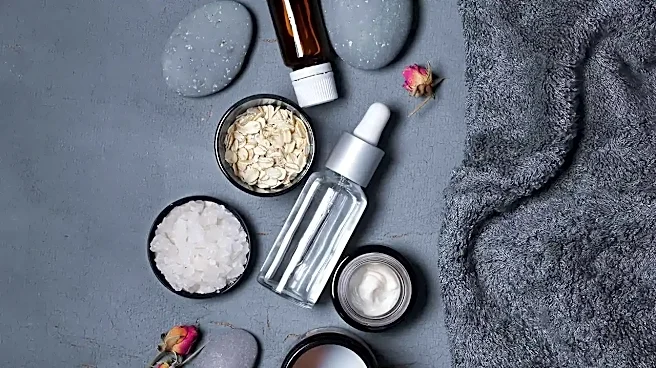
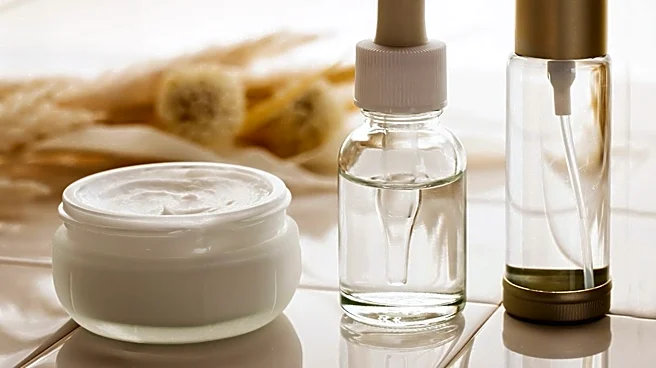
Think of a serum as a targeted treatment. Serums are lightweight, often water-based formulations designed to deliver a high concentration of active ingredients deep into the skin. Because their molecules are smaller than those in creams, they absorb quickly
and can penetrate to the layers where hyperpigmentation actually forms. This makes them highly efficient problem-solvers. If you have a specific, stubborn concern like post-acne marks or sun spots, a serum delivers potent ingredients like Vitamin C, Niacinamide, or Tranexamic Acid directly to the source. The goal here isn't hydration—it's powerful, focused correction.
The Cream: A Protective Barrier
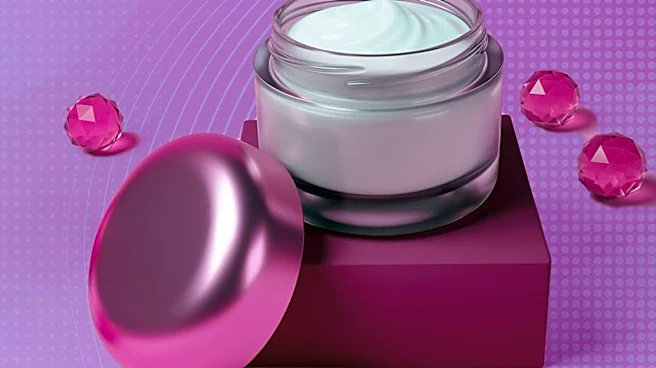
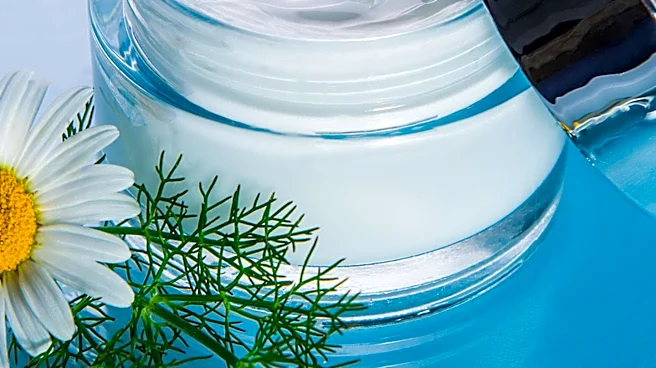
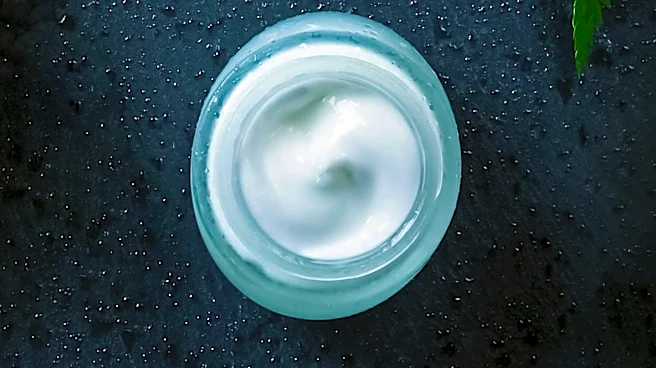
A cream, on the other hand, is primarily designed for hydration and protection. Creams are thicker, containing both water and oil components that create a physical barrier on the skin's surface. This barrier does two crucial things: it prevents moisture from escaping (a process called transepidermal water loss) and it protects your skin from environmental stressors. While many creams contain active ingredients to address issues like dark spots, their larger molecular structure means they work mostly on the skin's surface. Their main job is to moisturize and support the skin's overall health, which is a critical part of any skincare routine.
For Oily and Acne-Prone Skin
If your skin is oily or prone to breakouts, a serum is almost always the superior choice for treating dark spots. Its lightweight, non-greasy texture absorbs without clogging pores—a major concern for this skin type. In fact, a heavy cream can sometimes exacerbate acne by trapping oil and bacteria. A serum can deliver pigment-fighting ingredients like salicylic acid or niacinamide, which can also help manage breakouts and oil production, tackling two issues at once. For post-acne marks in particular, serums are often recommended because they can treat the pigmentation without contributing to new blemishes.
For Dry and Sensitive Skin
For those with dry or sensitive skin, a cream is often the better starting point. High-potency active ingredients in serums can sometimes cause irritation, dryness, or peeling, especially on skin that is already compromised. Creams provide a gentler delivery system. The moisturizing base acts as a buffer, allowing the skin to benefit from the active ingredients while simultaneously receiving the hydration and barrier support it desperately needs. This helps minimize the risk of irritation. People with dry skin can still use a serum, but it's essential to follow it up with a rich cream to lock in moisture and protect the skin barrier.
Key Ingredients to Look For
Regardless of the format you choose, the ingredients are what ultimately deliver results. For tackling hyperpigmentation, look for products containing Vitamin C, a powerful antioxidant that brightens skin. Niacinamide (Vitamin B3) is another hero that helps prevent pigment from reaching the skin's surface. Retinoids (like retinol) accelerate cell turnover to shed pigmented cells, while acids like glycolic acid, azelaic acid, and kojic acid exfoliate and inhibit melanin production. Tranexamic acid is another highly effective ingredient recognized for its ability to address stubborn spots like melasma. Many formulations will combine these for a multi-pronged approach.
Do You Have to Choose Just One?
The great news is that you don't have to pick a side. In fact, for many people, using both a serum and a cream yields the best results. The generally accepted rule is to apply products from thinnest to thickest consistency. After cleansing, you would apply your targeted dark spot serum, allow it a minute to fully absorb, and then apply your cream on top. This allows the serum's active ingredients to penetrate deeply, while the cream seals everything in, hydrates the skin, and supports the skin barrier. This combination provides both targeted treatment and overall skin health support.