




Match Support to Your Activity
The first step is to consider the intensity of your workout. Sports bras are typically categorized by impact level, which corresponds to how much your body moves. Low-impact bras are designed for activities like yoga, Pilates, and walking. They offer
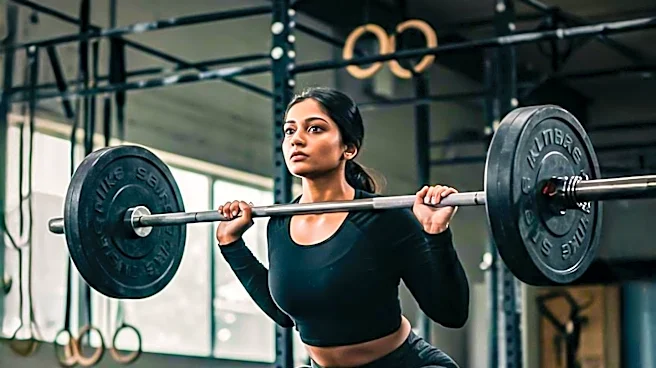
gentle support and flexibility. Medium-impact bras are ideal for cycling, strength training, and hiking, providing a balance of support and range of motion. High-impact bras are essential for running, HIIT, and court sports, offering maximum support to minimize bounce and prevent discomfort. While these are good guidelines, personal comfort is key; some people with larger busts may prefer a higher-impact bra even for lower-impact activities.
Understand the Construction
There are three main types of sports bra construction. Compression bras work by pressing the breasts against the chest to reduce movement, often resulting in a “uniboob” look. They are generally pullover styles and best suited for low- to medium-impact activities and smaller cup sizes. Encapsulation bras feature individual cups that surround and support each breast separately, much like a traditional bra. This style provides more defined shape and is excellent for high-impact activities, especially for larger busts. Finally, combination or hybrid bras offer the best of both worlds, using both encapsulation and compression to provide maximum support and stability.
Get Your Measurements Right
Bra sizing can be inconsistent across brands, so measuring yourself is a crucial step. You’ll need a soft tape measure. First, find your band size by measuring around your rib cage, just underneath your bust; the tape should be snug. Then, measure the fullest part of your bust. The difference between your bust measurement and your band measurement will determine your cup size, with each inch of difference typically corresponding to a cup letter (e.g., 1 inch = A cup, 2 inches = B cup). It's best to take these measurements while wearing a non-padded bra. Always consult a brand's specific size chart before buying.
The All-Important Fit Check
Once you have a bra to try on, a few key checks will tell you if it's the right one. The band provides most of the support, so it should be snug but not restrictive. You should be able to fit two fingers between the band and your body, but not more. The band should also sit level across your back; if it rides up, the band is too big. The cups should fully contain your breasts without any spillage or gaping. Straps should feel secure without digging into your shoulders. If they are doing all the work, the band is likely too loose. Finally, test the support by jumping or jogging in place to ensure movement is minimized and you feel secure.
Look for Quality Features
Beyond fit, certain features can elevate a sports bra from good to great. Moisture-wicking fabrics, such as polyester blends, are essential for keeping you dry and comfortable. Adjustable straps and hook-and-eye closures allow for a more customized and secure fit, especially as a bra stretches over time. Wider straps and bands can distribute pressure more evenly, increasing comfort during long workouts. For activities with a lot of upper body movement, a racerback style can provide an extra sense of security.
Know When to Replace It
A sports bra is not a lifetime investment. With regular use and washing, the fabric and elastic will degrade, reducing its ability to provide support. Experts generally recommend replacing your sports bras every 6 to 12 months, or after about 30-40 washes. Signs that it's time for a new one include stretched-out bands or straps, fabric that has lost its elasticity, or any chafing or discomfort that wasn't there before. A new bra should be fastened on the loosest hook, allowing you to tighten it as the band stretches over time.