



The Gap Between Knowing and Doing
Dermatologists and health organizations agree: daily use of a broad-spectrum sunscreen with at least SPF 30 is the single most effective step for preventing skin cancer and visible signs of aging. So why do so many of us fail to make it a habit? The answer
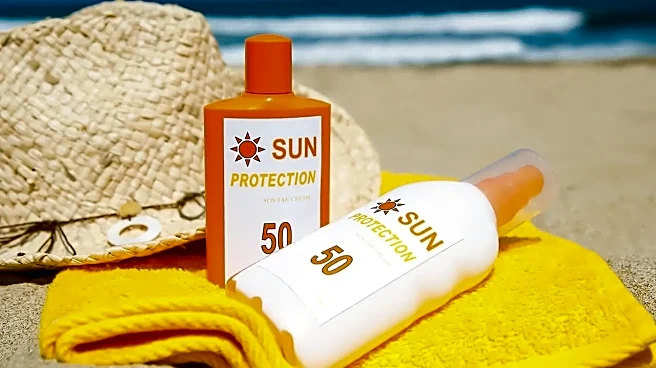
usually lies on the bathroom shelf. For decades, sunscreen meant a thick, goopy lotion that felt heavy, clogged pores, stung the eyes, and often left a noticeable white or purplish cast on the skin. The sensory experience was so universally poor that many people reserved it only for a beach day. The problem isn't a lack of information; it's a history of unpleasant products that made a daily habit feel like a daily punishment.
From Goopy Paste to Silky Serum
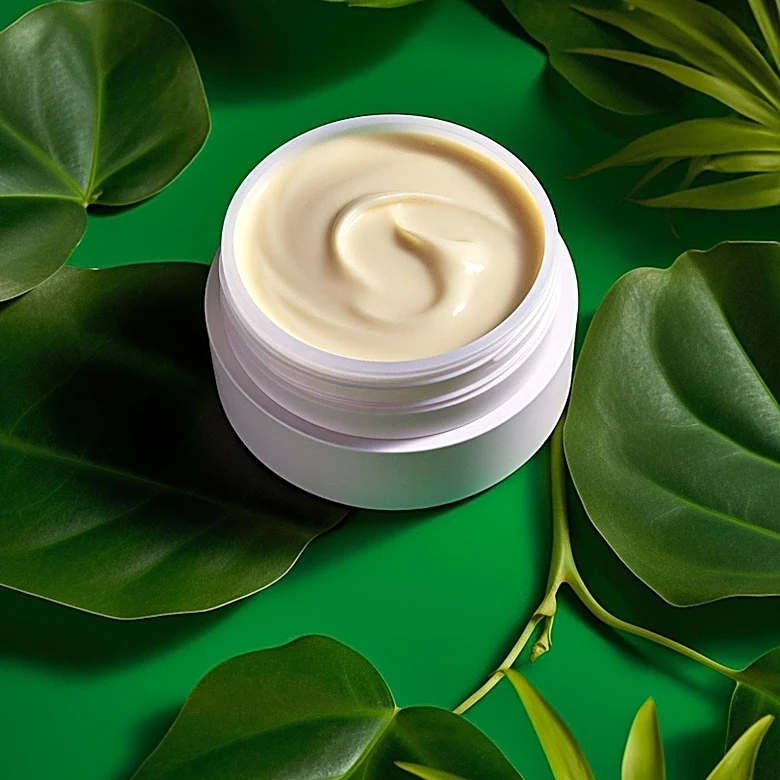
Thankfully, formulation science has undergone a revolution. Today’s sunscreens are a world away from the chalky pastes of the past. The biggest leap forward has been in texture and finish. Brands now offer a vast array of options, including lightweight gels, invisible serums, hydrating lotions, and easy-to-apply sticks. For those with oily or acne-prone skin, oil-free and non-comedogenic formulas with a matte finish can reduce shine without clogging pores. For those with dry skin, cream-based sunscreens with hydrating ingredients like hyaluronic acid or ceramides can double as a daily moisturizer. The goal is no longer just protection; it's creating a product that feels so good on the skin that you'll look forward to applying it.
Finally, a Truly Invisible Shield
One of the most significant barriers to daily use, especially for people with deeper skin tones, has been the dreaded white cast. This chalky residue is characteristic of mineral sunscreens, which use zinc oxide and titanium dioxide to physically block UV rays. While effective and gentle, the original formulations were difficult to blend. Modern mineral sunscreens often use micronized particles, which are milled to a much smaller size to appear transparent on the skin while still providing protection. Another popular solution is the rise of 'hybrid' sunscreens. These advanced formulas combine mineral filters with modern chemical filters, which absorb UV light and convert it to heat. This approach offers the best of both worlds: broad-spectrum protection with a lightweight, cosmetically elegant finish that leaves no white cast behind.
Your SPF as a Skincare Powerhouse
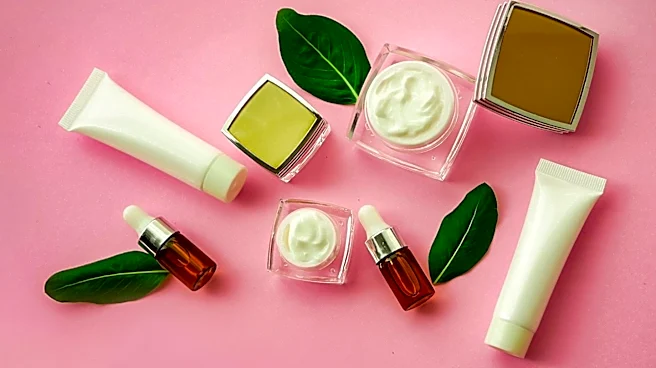
The other major shift is framing sunscreen not as a final, inconvenient step, but as an integral part of a skincare routine. Many of today’s best formulas are packed with additional beneficial ingredients. It's now common to find sunscreens that also contain antioxidants like Vitamin C or E, which provide a second layer of defense against environmental damage. Others incorporate niacinamide to help with redness and pore appearance, or hyaluronic acid for a boost of hydration. This evolution has given rise to a new category of multi-purpose products, such as SPF-infused moisturizers and skin tints. By combining protection with treatment and cosmetic benefits, these products streamline your morning routine, making it even easier to stay consistent.
Listen to Your Skin (and Your Lifestyle)
Ultimately, the best sunscreen is the one you will actually wear every single day. Finding your perfect match is a personal journey. Start by considering your skin type: is it oily, dry, sensitive, or combination? Then think about your lifestyle. If you're active and sweat a lot, a water-resistant formula is crucial. If you wear makeup, look for a sunscreen that doubles as a primer or has a finish that sits well under foundation. Don't be afraid to experiment with sample sizes or travel-sized products. What works for a friend might not work for you. The goal is to find a formula that feels comfortable, looks invisible, and works with the rest of your routine. When sunscreen stops feeling like a chore and starts feeling like an act of self-care, daily application becomes second nature.